
Complete Guide to Managing Your Dog’s Dental Health
Master daily techniques and professional strategies for optimal canine oral hygiene
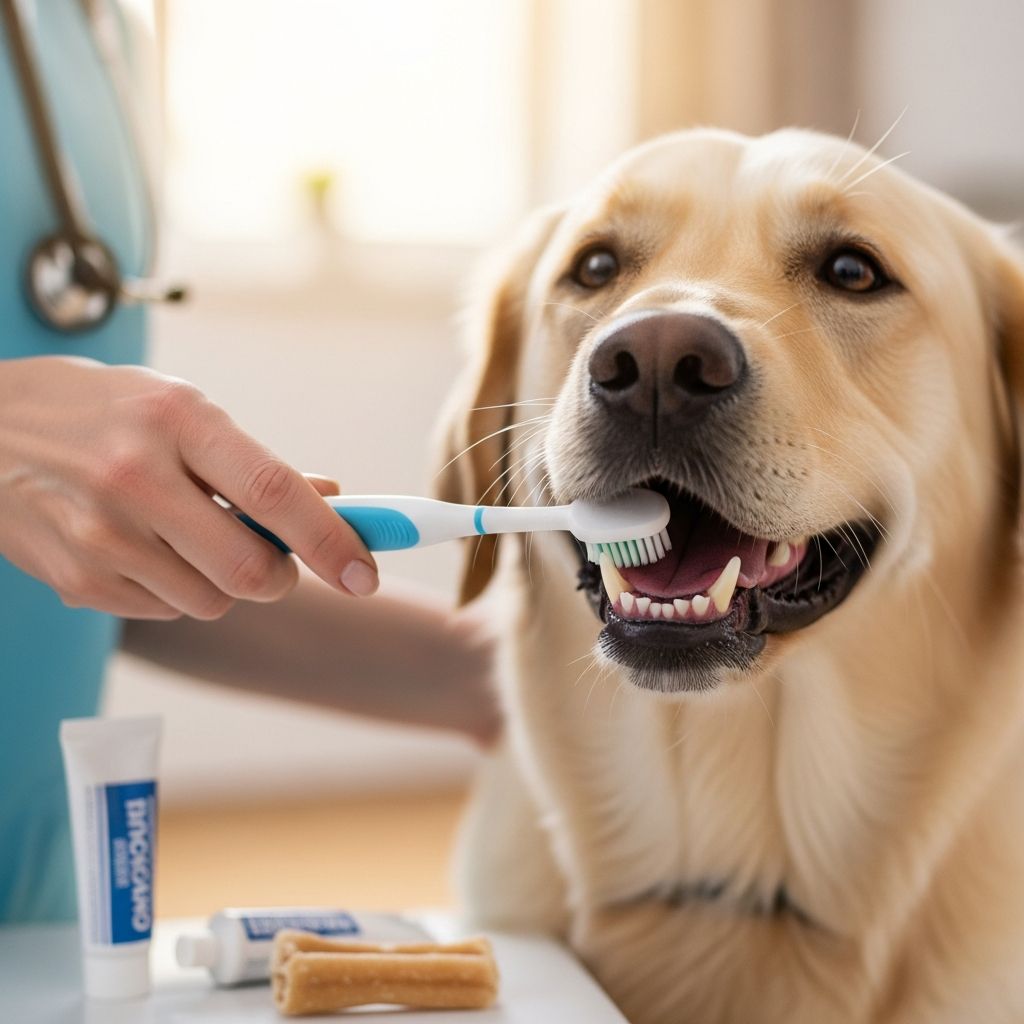
Maintaining your dog’s dental health is one of the most important aspects of pet care, yet many dog owners overlook this critical component of their pet’s overall wellness. Dental disease remains one of the most prevalent health conditions affecting dogs today, and the consequences can extend far beyond tooth problems. Untreated oral disease can lead to infections that compromise your dog’s immune system and affect vital organs. The good news is that with consistent at-home care combined with professional veterinary support, you can significantly reduce your dog’s risk of developing serious dental complications.
Understanding the Importance of Canine Oral Care
Your dog’s mouth is home to numerous bacteria that naturally accumulate on tooth surfaces throughout the day. When plaque—a sticky bacterial biofilm—builds up on teeth, it hardens into tartar, creating an environment where harmful bacteria thrive. Unlike humans, dogs cannot brush their own teeth or rinse their mouths, making them entirely dependent on their owners to maintain oral hygiene. Without intervention, this bacterial buildup can progress to gingivitis and advanced periodontal disease, potentially resulting in tooth loss and systemic health issues. Regular dental maintenance prevents these complications and keeps your dog comfortable and healthy for years to come.
The Foundation: Daily Tooth Brushing Techniques
Tooth brushing remains the single most effective method for controlling plaque and tartar accumulation in dogs. The mechanical action of brushing removes the bacterial biofilm before it hardens into tartar, significantly reducing gum inflammation and slowing disease progression. Ideally, you should brush your dog’s teeth daily, though brushing at least three times per week can produce meaningful improvements in oral health.
Getting Started with Proper Technique
Introducing your dog to tooth brushing requires patience and a gradual approach. Begin by familiarizing your dog with the toothbrush and toothpaste without any pressure. Allow your pup to taste or smell the brush during the first week, offering praise and treats to create positive associations. Start with a gauze-wrapped finger rubbed along the teeth and gums for approximately one week before introducing the actual toothbrush. This conditioning phase is crucial for dogs who are hesitant about oral manipulation.
Once your dog is comfortable, begin using a soft-bristled pet toothbrush. Hold the brush at a 45-degree angle, positioning the bristles to reach beneath the gumline where plaque accumulates most. This angle is essential because plaque forms primarily at the junction where the gum meets the tooth surface. Use gentle circular motions rather than aggressive back-and-forth scrubbing, which can damage gum tissue. Focus initially on the outer surfaces of the teeth; many dogs will tolerate this area more easily than the inner surfaces. Keep early sessions brief—just a few teeth at a time—and gradually extend the duration as your dog becomes more comfortable.
Selecting Appropriate Brushing Tools
Choose a toothbrush specifically designed for dogs, as pet brushes are shaped and angled to fit your dog’s mouth properly. For large dogs, a regular soft-bristled toothbrush works well, while small breeds benefit from baby toothbrushes or finger brushes that fit comfortably in their smaller mouths. Many pet suppliers offer comprehensive toothbrushing kits that include both traditional brushes and finger brush options, allowing you to select the tool that works best for your individual dog’s temperament and size.
Always use pet-specific toothpaste, as human toothpaste contains foaming agents and fluoride that can upset your dog’s stomach. Pet toothpaste is formulated to be swallowed safely and comes in flavors designed to appeal to dogs, such as chicken, beef, and peanut butter. If your dog has food allergies or follows a restricted diet, consult your veterinarian about toothpaste options that won’t trigger adverse reactions.
Establishing a Sustainable Routine
Consistency is more important than perfection when it comes to managing your dog’s dental health. Establish a specific time each day for brushing—preferably the same time—to help your dog develop a predictable routine. Many dogs eventually learn to enjoy this daily ritual as a form of positive interaction with their owners. Choose a time when your dog is calm and relaxed, and always conclude the session with a reward such as a favorite toy, a special treat, or enthusiastic praise.
If brushing becomes a source of conflict rather than bonding, consider incorporating shorter sessions more frequently rather than forcing longer sessions. A two-minute brushing session that your dog tolerates well provides more benefit than a struggle-filled ten-minute session that creates negative associations with oral care.
Supplementary At-Home Dental Products
While tooth brushing is the gold standard for oral care, several complementary products can enhance your dental care regimen when brushing isn’t feasible or as part of a comprehensive approach to oral hygiene.
Dental Powders and Probiotics
Flavored dental powders designed for dogs offer a convenient supplemental option that requires no special technique. These powders, sprinkled directly on your dog’s food at mealtimes, contain ingredients that help control plaque-building bacteria while promoting beneficial bacteria in the mouth. Many dental powders include probiotics specifically formulated to maintain a healthy oral microbiome, helping to freshen breath while preventing tartar accumulation. Apply the powder to every meal as directed for optimal effectiveness.
Water Additives and Oral Rinses
Water additives provide another passive method of supporting oral health. These tasteless solutions are simply added to your dog’s drinking water daily according to package directions. The additive works throughout the day as your dog drinks, helping to kill plaque-building bacteria and freshen breath. Oral rinses and gels formulated specifically for pets can be applied directly to the mouth or used as rinses, containing enzymes that target bacterial buildup. However, these products should complement rather than replace regular brushing and professional cleanings.
Dental Wipes and Alternative Cleaning Methods
For dogs who strongly resist traditional toothbrushing, dental wipes offer a middle-ground option. These wipes are wrapped around your finger and gently rubbed over tooth surfaces and gums, reaching all areas including the back teeth. While not as thorough as brushing with a traditional toothbrush, dental wipes can effectively remove surface plaque and are particularly useful for sensitive dogs. Using wipes can also serve as an excellent training tool to acclimate dogs to oral care before transitioning to brushing if possible.
Strategic Dietary Approaches to Oral Health
Nutrition plays a supporting role in maintaining dental health. Prescription dental diets formulated with specific textures and ingredients help reduce plaque and tartar accumulation through mechanical action and specialized nutrient profiles. These therapeutic diets are designed to encourage chewing and natural cleaning of tooth surfaces. While dietary support alone cannot replace brushing, incorporating a prescription dental diet can enhance your overall oral health strategy, particularly for dogs with early signs of dental disease.
The Role of Dental Treats and Chews
Dental chews and treats designed for oral health serve as enjoyable supplements to your dental care routine. These products encourage chewing, which provides mechanical cleaning of tooth surfaces and can help reduce plaque buildup. However, treats should not be viewed as a substitute for brushing; they work best as part of a comprehensive approach to oral health that includes regular brushing and professional care.
Professional Dental Cleanings: When and Why They Matter
Even with diligent at-home care, professional veterinary dental cleanings remain essential. Tartar accumulation, particularly below the gumline where your toothbrush cannot reach, requires professional removal under veterinary supervision. Professional cleanings involve thorough scaling to remove tartar and plaque, followed by polishing to smooth tooth surfaces and discourage future bacterial adhesion.
Recognizing When Professional Care is Needed
Schedule annual wellness exams that include oral health assessments to catch early signs of dental disease. When your veterinarian observes visible tartar accumulation or gingivitis, they will recommend a professional cleaning procedure, known as dental prophylaxis. This proactive approach prevents progression to more serious disease and can reduce the frequency of professional cleanings needed over time.
The Professional Cleaning Process
Professional cleanings typically require general anesthesia to allow your veterinarian complete access to all tooth surfaces, including below the gumline where most dental disease begins. This thorough approach removes tartar and plaque that at-home care cannot reach, allowing your veterinarian to assess tooth health and identify any areas requiring extraction or treatment. Though anesthesia carries some risk, the benefits of removing infectious dental disease typically far outweigh the risks, particularly compared to the consequences of untreated periodontal disease.
Building a Realistic Long-Term Dental Care Strategy
The most effective dental care strategy is one you can maintain consistently over your dog’s lifetime. Rather than attempting an intensive but unsustainable routine, develop a realistic plan that fits your lifestyle and your dog’s temperament. For some owners, daily brushing is feasible; for others, brushing three times weekly combined with water additives and dental treats provides adequate protection.
Track your brushing efforts by keeping a simple calendar or note on your phone. This accountability tool helps ensure you’re meeting your dental care goals and provides useful information to share with your veterinarian during annual exams. Your veterinarian can adjust your at-home care strategy based on tartar accumulation and gum health observed during annual exams.
Common Challenges and Solutions
| Challenge | Solution |
|---|---|
| Dog resists toothbrushing | Start with dental wipes or gauze, use high-value rewards, and proceed very gradually over weeks or months |
| Difficulty accessing back teeth | Use angled-bristle brushes designed to reach molars, and practice opening your dog’s mouth gently without forcing |
| Time constraints | Brush fewer teeth more frequently, or alternate between brushing and water additives on different days |
| Food allergies complicate toothpaste selection | Consult your veterinarian about hypoallergenic toothpaste options or use dental wipes without paste |
| Dog gags or drools excessively | Try water additive approach instead, or use smaller amounts of toothpaste and take breaks |
FAQ: Your Dog’s Dental Health Questions Answered
How often should I have my dog’s teeth professionally cleaned?
Most dogs benefit from annual professional dental cleanings, though this frequency varies based on individual disease progression and at-home care effectiveness. Some dogs with excellent at-home care may need professional cleanings less frequently, while others with advanced disease progression may require more frequent professional intervention. Your veterinarian will recommend the appropriate schedule for your dog based on oral health assessments.
Is anesthesia safe for older dogs?
Veterinarians carefully evaluate each dog’s health status before recommending professional cleanings under anesthesia. Modern anesthetic protocols are quite safe, and the risks of untreated dental disease typically exceed the risks of anesthesia. Pre-operative blood work helps identify any underlying conditions that might complicate anesthesia, allowing your veterinarian to adjust protocols accordingly.
Can I brush only the outer tooth surfaces?
Yes, initially focusing on outer tooth surfaces is appropriate, particularly when introducing brushing to a resistant dog. This is where plaque primarily accumulates and where brushing provides the most benefit. As your dog becomes more comfortable, you can gradually incorporate the inner surfaces.
What should I do if my dog refuses all brushing attempts?
Implement a multi-product approach using water additives, dental powders, dental wipes, and prescription dental diets. While brushing is most effective, this combination of products provides significant protection. Continue offering brushing opportunities periodically in case your dog’s tolerance improves over time.
Are dental treats enough for oral health?
Dental treats provide supplementary benefits but should not replace brushing as your primary oral care method. They work best as part of a comprehensive strategy that includes regular brushing and professional cleanings when needed.
Moving Forward with Your Dog’s Dental Health
Your commitment to managing your dog’s dental health significantly impacts their quality of life and overall wellness. By combining consistent at-home brushing with supplementary products, strategic dietary approaches, and professional veterinary care, you create a comprehensive defense against dental disease. Remember that progress isn’t always linear—some dogs adapt to brushing quickly while others require months of gradual conditioning. Stay patient, maintain consistency, and celebrate small victories as you build these important health habits. Regular communication with your veterinarian ensures your strategy remains effective and adapts as your dog ages. Your diligent attention to oral care today helps prevent painful dental disease and systemic infections tomorrow, allowing your dog to enjoy a comfortable life with healthy teeth and gums for years to come.
References
- Dog Dental Care: 6 Ways to Keep a Dog’s Mouth Clean — PetMD. 2024. https://www.petmd.com/dog/general-health/dog-dental-care-ways-keep-dogs-mouth-clean
- A Guide to At-Home Care for Pet Teeth — TSAH Veterinary Clinic. 2024-01-31. https://tsahvet.com/blog/2024/01/31/a-guide-to-at-home-care-for-pet-teeth/
- Dental Disease and Home Dental Care — Cornell University College of Veterinary Medicine, Riney Canine Health Center. https://www.vet.cornell.edu/departments-centers-and-institutes/riney-canine-health-center/canine-health-information/dental-disease-and-home-dental-care
- How to Clean and Care for Your Pet’s Teeth — AARP. https://www.aarp.org/family-relationships/pet-dental-care-guide/
- Easy Dental Care Habits for Dogs Between Cleanings — Family Pet Health Map, Mapleton. 2026-03. https://fphmapleton.com/2026/03/easy-dental-care-habits-for-dogs-between-cleanings/
- Pet Dental Care — American Veterinary Medical Association (AVMA). https://www.avma.org/resources-tools/pet-owners/petcare/pet-dental-care
- Dental Home Care Instructions — UC Davis School of Veterinary Medicine. https://healthtopics.vetmed.ucdavis.edu/health-topics/canine/dental-home-care-instructions
Similar Articles








Read full bio of Sneha Tete




