

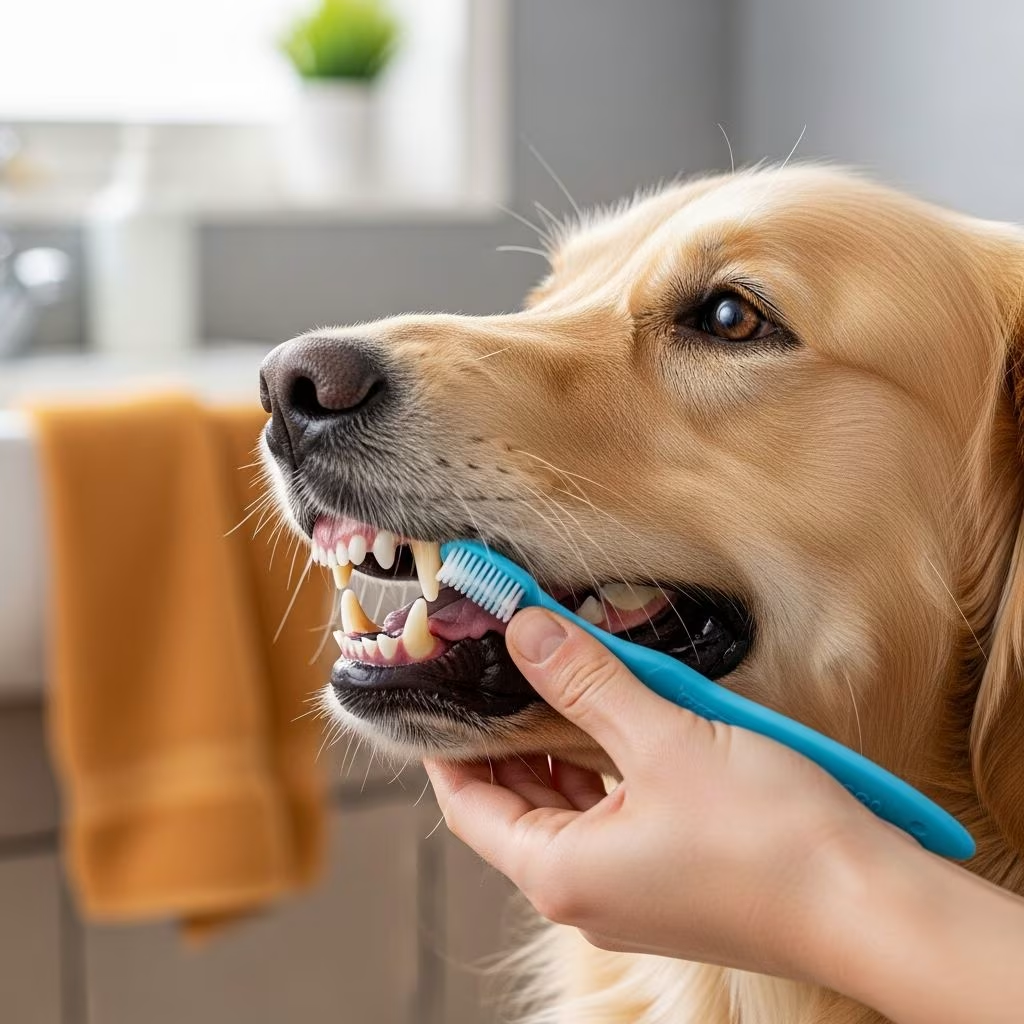
Your dog’s teeth are more than just tools for eating—they’re essential to overall health and well-being. Many pet owners underestimate the importance of dental care, assuming that dogs naturally maintain clean teeth on their own. However, dogs are susceptible to the same dental problems that affect humans, including cavities, fractures, cracks, and enamel erosion. Without proper attention, these issues can lead to pain, infection, and complications affecting other organs. The good news is that you can significantly reduce your dog’s risk of dental disease through consistent home care routines.
Understanding Canine Dental Disease
Dental disease in dogs develops when plaque accumulates on tooth surfaces and hardens into tartar. This buildup creates an environment where harmful bacteria thrive, leading to gum inflammation, infection, and eventual tooth loss. Unlike humans who brush daily and visit the dentist periodically, dogs cannot maintain their own oral hygiene. This responsibility falls entirely on their owners.
The consequences of neglecting dental care extend beyond the mouth. Bacteria from oral infections can enter the bloodstream and affect vital organs, contributing to heart disease, kidney problems, and liver disease. By establishing preventive care routines, you’re investing in your dog’s long-term health and potentially extending their lifespan.
The Foundation: Daily Tooth Brushing Techniques
Brushing remains the gold standard for maintaining canine oral health and is the most effective method of preventing dental disease. To achieve optimal results, brushing should occur daily, though even three times weekly can make a measurable difference in reducing plaque and tartar accumulation. Daily brushing removes plaque—a bacterial biofilm that forms continuously on teeth—and reduces gum inflammation before it becomes problematic.
Selecting the Right Tools and Products
Before beginning a brushing routine, gather the appropriate supplies. Dog-specific toothpaste is essential; human toothpaste contains artificial sweeteners and fluoride that can harm your dog when swallowed. Canine toothpaste comes in flavors dogs enjoy, such as chicken, beef, and peanut butter, making the experience more pleasant for your pet.
Choose a toothbrush suited to your dog’s size. Large dogs generally tolerate standard human toothbrushes, while small breeds benefit from baby toothbrushes or fingertip brushes. Finger brushes—pieces of textured rubber worn over your finger—are particularly effective for small dogs because they allow you to reach the spaces between teeth where bacteria and tartar accumulate most readily. For beginners, finger brushes can ease both the owner and dog into the brushing habit.
Introducing Your Dog to Brushing
Gradual introduction is crucial for success. Dogs that have never experienced brushing may resist the sensation or unfamiliar taste of toothpaste. Begin by letting your dog taste the toothpaste directly from your finger or the brush, praising them for licking it off. This creates a positive association with the product. Once your dog looks forward to the toothpaste flavor, you can progress to actual brushing.
Before attempting tooth brushing, acclimate your dog to the sensation of contact around their mouth and teeth. Using a gauze-wrapped finger, gently run it along their teeth and gums daily for about a week. Perform this activity at the same time each day to establish routine, and provide praise or rewards afterward. This preparation period typically lasts one to two weeks but pays dividends in cooperation during actual brushing.
Proper Brushing Technique
When ready to begin brushing, select a time when your dog is calm and relaxed—typically after a walk or meal. Start with just a few teeth rather than the entire mouth. Hold the toothbrush at a 45-degree angle so the bristles reach beneath the gumline where plaque accumulates most aggressively. This positioning allows you to clean the critical area where teeth meet gums, the primary site of dental disease.
Use gentle circular motions, focusing on the outer surfaces of teeth first. The outer surfaces accumulate the most plaque and tartar, making them your priority. If your dog resists having the inside of their teeth brushed, don’t force the issue; focusing on outer surfaces provides substantial benefit. Keep brushing sessions brief initially, gradually extending them as your dog becomes accustomed to the routine. Always reward your dog after brushing with praise, a favorite toy, or a brief walk.
Supplementary Approaches to Oral Hygiene
While brushing is most effective, some dogs resist this routine consistently. For these pets, several supplementary strategies can help maintain oral health when used alongside periodic brushing or as standalone measures.
Dental Powders and Food Additives
Flavored dental powders designed for dogs offer a convenient alternative to brushing. These powders are applied directly to your dog’s regular meals and contain probiotics that promote beneficial bacteria in the mouth while simultaneously eliminating plaque-building pathogens. Applied consistently at each meal, dental powders help freshen breath and prevent tartar and plaque accumulation. While not as effective as brushing, they serve as valuable supplementary care.
Water Additives and Oral Solutions
Water additives provide another passive approach to dental care. These tasteless solutions are added to your dog’s water bowl daily according to product directions. The solution works throughout the day as your dog drinks, killing plaque-building bacteria and freshening breath. Chlorhexidine oral rinse represents a specialized option that provides antibacterial benefits lasting up to 12 hours. Applied by squirting a small amount inside the cheek on each side of the mouth, chlorhexidine binds to oral tissues and tooth surfaces, gradually releasing antibacterial agents. Some dogs may object to the taste of these products, so observe your dog’s response during initial use.
Dietary Approaches
Prescription dental diets specifically formulated to reduce plaque and tartar formation can support oral health as part of a comprehensive strategy. These diets often feature specialized textures that create a mild abrasive effect during chewing, helping remove plaque mechanically. However, feeding exclusively dry food provides minimal benefit compared to what many owners expect. Dietary choices should complement rather than replace active cleaning routines.
Chewing and Dental Treats
Products that encourage increased chewing can provide indirect oral health benefits by stimulating saliva production and creating mechanical cleaning action. Dental treats and chews specifically designed to reduce plaque should be selected carefully, as quality varies significantly among brands. These products work best when combined with other preventive measures rather than as standalone solutions.
Creating a Sustainable Home Care Routine
Success with canine dental care depends on consistency and integration into your daily schedule. Establishing a regular brushing time creates a habit that eventually becomes automatic. Morning or evening routines often work well, providing natural anchors in your schedule. Many dogs begin to anticipate and enjoy this regular interaction with their owners once they understand it precedes a reward or special attention.
If daily brushing feels overwhelming, commit to at least three sessions weekly to maintain meaningful progress in plaque and tartar reduction. Some owners find success alternating between brushing days and water additive use, creating variety while maintaining consistent care.
Professional Dental Care Remains Essential
Even with exemplary home care, tartar accumulates over time and cannot be completely removed through at-home methods alone. Professional veterinary dental cleanings, called dental prophylaxis, become necessary when visible tartar and gingivitis appear in your dog’s mouth. These professional interventions remove tartar buildup, particularly below the gumline where home brushing cannot effectively reach.
Schedule annual wellness examinations that specifically include oral health checks. During these visits, your veterinarian can assess dental condition, identify emerging problems, and recommend professional cleaning when appropriate. Early intervention prevents minor issues from developing into serious complications requiring extractions or other invasive treatments.
Frequently Asked Questions About Dog Dental Care
How often should I brush my dog’s teeth?
Daily brushing provides optimal benefits, but brushing at least three times weekly significantly helps reduce plaque and tartar buildup. Even dogs that resist daily brushing can benefit from consistent multi-day routines.
Can I use human toothpaste for my dog?
No—human toothpaste contains artificial sweeteners and fluoride that can be harmful to dogs when swallowed. Always use toothpaste specifically formulated for canines.
What if my dog refuses to let me brush their teeth?
Begin with gradual introduction using gauze on your finger, allow your dog to taste the toothpaste without brushing first, and proceed slowly over several weeks. If brushing remains impossible, use water additives, dental powders, and regular veterinary cleanings to maintain oral health.
Do dental treats actually work?
Dental treats provide supplementary benefits when selected from quality brands, but they work best alongside brushing rather than replacing it. The mechanical action of chewing promotes some plaque removal and saliva production.
How do I know if my dog has dental disease?
Watch for bad breath, visible tartar on teeth, drooling, difficulty eating, swollen gums, or behavioral changes suggesting mouth pain. Bring your dog to your veterinarian for professional evaluation if you notice any of these signs.
Building Long-Term Habits
Establishing successful dental care requires patience and realistic expectations. Some dogs naturally cooperate with brushing while others require extensive gradual introduction. Consistency matters more than perfection—occasional brushing sessions provide minimal benefit compared to regular multi-day routines.
Celebrate small victories, such as your dog allowing you to touch their gums or taste toothpaste. These incremental successes eventually lead to complete brushing routines. Remember that this daily interaction strengthens your bond with your dog while protecting their health.
By combining home care strategies with regular professional veterinary assessments, you provide your dog with the best possible defense against dental disease. Your commitment to oral hygiene translates directly into improved quality of life, reduced pain, and potentially increased longevity for your beloved companion.
References
- Dog Dental Care: 6 Ways to Keep a Dog’s Mouth Clean — PetMD. 2024. https://www.petmd.com/dog/general-health/dog-dental-care-ways-keep-dogs-mouth-clean
- The Educated Client: Doggie Home Dental Care — DVM360. https://www.dvm360.com/view/client-education-doggie-home-dental-care
- The Ultimate Dog Dental Guide: Nurturing Your Canine’s Canines — Aurora Animal Hospital. https://www.auroravet.com/services/blog/ultimate-dog-dental-guide-nurturing-your-canines-canines
- Dog Home Dental Care — WellPets. https://www.wellpets.com/for-pet-owners/resources/home-care-for-dogs/
- Dental disease and home dental care — Cornell University College of Veterinary Medicine, Riney Canine Health Center. https://www.vet.cornell.edu/departments-centers-and-institutes/riney-canine-health-center/canine-health-information/dental-disease-and-home-dental-care
- How to Clean and Care for Your Pet’s Teeth — AARP. https://www.aarp.org/family-relationships/pet-dental-care-guide/
- Dental Home Care Instructions — UC Davis School of Veterinary Medicine. https://healthtopics.vetmed.ucdavis.edu/health-topics/canine/dental-home-care-instructions



