

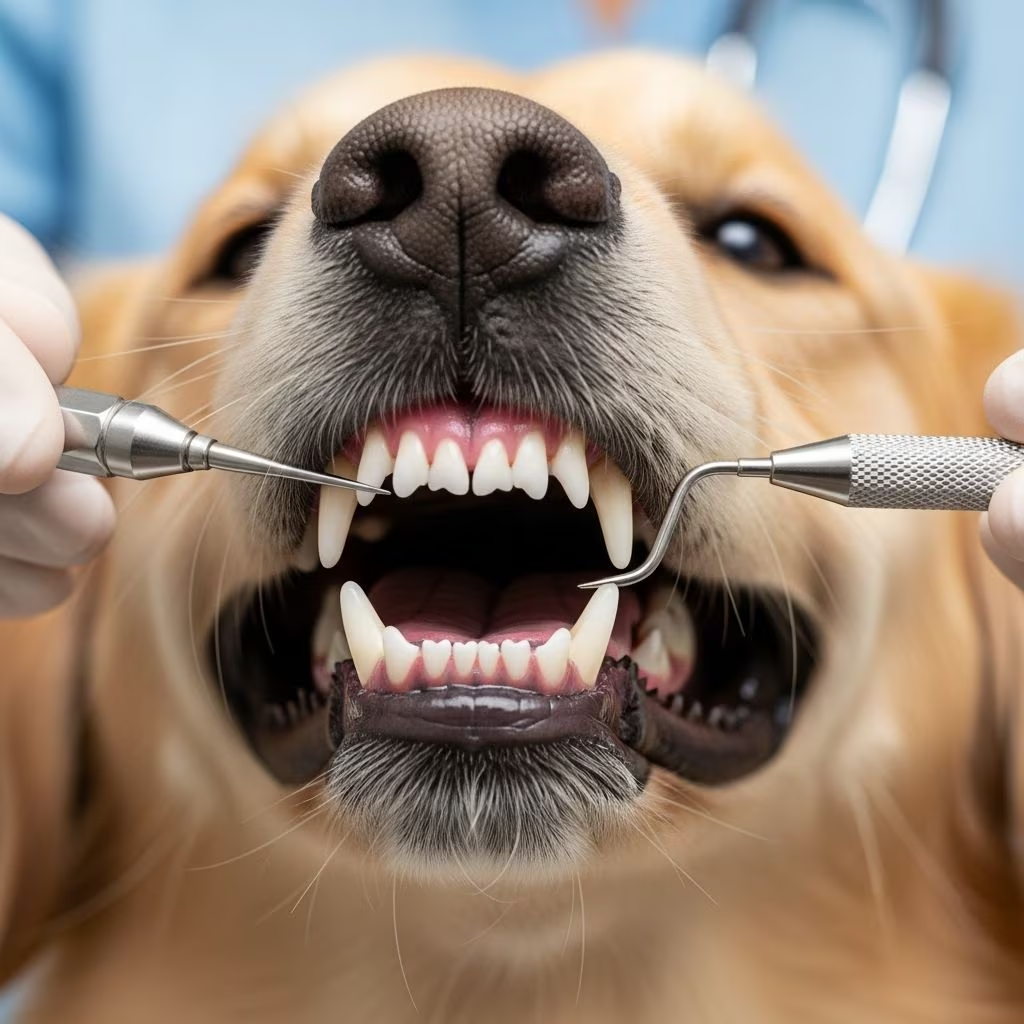
Maintaining your dog’s oral health requires understanding how often professional dental cleanings should occur and what factors influence this schedule. Just as humans benefit from regular dental care, dogs depend on consistent professional attention to prevent serious health complications that can affect their quality of life and longevity.
Understanding the Foundation of Canine Dental Health
Dental disease represents one of the most common health issues affecting dogs today, yet many pet owners overlook its importance in their overall wellness routine. Plaque and tartar accumulation on a dog’s teeth can lead to gum disease, tooth loss, and infections that extend beyond the mouth, potentially affecting the heart, kidneys, and liver. Professional dental cleanings serve as a critical intervention to remove buildup that regular brushing cannot address and to identify early signs of dental problems before they become severe.
The need for professional intervention stems from the fact that bacteria and food particles accumulate beneath the gumline where home care tools cannot reach effectively. Without professional removal, this buildup hardens into tartar, creating an environment where harmful bacteria thrive and cause inflammation and infection.
Standard Recommendations for Professional Dental Cleanings
Veterinary professionals have established consistent guidelines for maintaining canine dental health. Most dogs benefit from professional dental cleanings at least once per year. This annual schedule represents the baseline recommendation for dogs with average dental health and no predisposing risk factors.
However, this general guideline should not be viewed as a one-size-fits-all approach. Your veterinarian will assess your individual dog’s situation and may recommend adjustments to this schedule based on specific health characteristics and risk factors.
Identifying Dogs with Increased Cleaning Frequency Needs
Small Breed Considerations
Small dog breeds often require more frequent professional cleanings than their larger counterparts. Chihuahuas, Yorkshire Terriers, Dachshunds, Miniature Poodles, and similar breeds frequently develop dental problems at higher rates due to crowded tooth positioning and genetic predispositions.
Small breeds may benefit from professional cleanings every 6 to 9 months rather than annually. This more frequent schedule helps prevent rapid plaque and tartar accumulation and maintains the integrity of their teeth and gums over time. Some small breed dogs with particularly poor dental health may even require cleanings twice per year.
Age-Related Factors
A dog’s age significantly influences dental cleaning requirements. Senior dogs, particularly those over seven years old, typically need more frequent dental evaluations and cleanings. As dogs age, their risk for gum disease increases, and existing dental conditions often progress more rapidly.
The timing of the first professional cleaning also matters. Veterinarians generally recommend that most dogs and cats have their initial professional cleaning between 2 and 3 years of age. However, small breed dogs should ideally start their professional dental care routine no later than 2 years of age to establish a preventive foundation.
Breed-Specific Dental Challenges
Beyond small breeds, certain dog types face elevated dental disease risk due to their physical structure. Flat-faced breeds such as Bulldogs and Pugs have jaw structures that predispose them to dental problems. These anatomical differences mean their teeth may be crowded or misaligned, making plaque removal through brushing less effective.
Genetics play a considerable role in determining your individual dog’s dental health trajectory. Some breeds have inherited tendencies toward periodontal disease that require more aggressive preventive care.
Dietary Influences on Dental Care Frequency
What your dog eats significantly affects how quickly plaque and tartar accumulate on their teeth. Dogs consuming primarily wet or soft food typically need professional cleanings more frequently than those eating dry kibble. Wet food tends to stick to teeth and does not provide the mechanical cleaning action that crunchy kibble offers.
The abrasive texture of dry kibble provides natural cleaning benefits, helping reduce tartar buildup between professional cleanings. Dogs following a dry food diet may be able to extend the time between professional cleanings compared to those on predominantly soft diets.
Dogs with Existing Dental Disease
If your dog has already developed dental disease or has a history of dental problems, your veterinarian will likely recommend more frequent professional cleanings—potentially every six months. This increased frequency helps control disease progression and prevents complications that could lead to tooth extraction or more serious health consequences.
Dogs with gingivitis, periodontal disease, or other oral conditions require personalized dental care plans that may include more frequent professional interventions combined with intensive home care.
The First Dental Cleaning: When and Why
Establishing a dental care routine early in your dog’s life creates a foundation for long-term oral health. Most dogs should have their first professional cleaning between 2 and 3 years of age, though small breeds may benefit from earlier intervention. This initial cleaning allows your veterinarian to assess your dog’s baseline dental health and identify any emerging issues.
Early establishment of dental care helps minimize the risk of periodontal disease development and other serious oral health conditions. Starting preventive care before problems emerge makes managing your dog’s dental health significantly easier throughout their lifetime.
What Professional Dental Cleanings Involve
Understanding the professional cleaning process helps pet owners appreciate why these procedures are necessary and cannot be fully replicated at home. Professional dental cleanings performed by veterinarians include thorough examination, scaling to remove plaque and tartar both above and below the gumline, and polishing. These procedures are conducted under general anesthesia, ensuring your dog’s comfort and allowing the veterinarian to perform comprehensive cleaning safely, including dental X-rays to assess tooth root health and jawbone integrity.
The anesthesia component enables thorough cleaning of areas inaccessible during conscious examination and allows identification of problems like fractured teeth or hidden infections beneath the gumline.
Signs Your Dog May Need More Frequent Cleanings
Beyond your veterinarian’s recommendations, certain observable signs suggest your dog may benefit from more frequent professional dental care:
- Bad breath that is notably unpleasant or offensive
- Visible tartar or discoloration on the teeth
- Blood in the water bowl or on toys
- Reduced interest in hard foods, chews, or treats
- Excessive drooling
- Pawing at the mouth or rubbing the face
- Facial swelling around the mouth area
- Difficulty eating or dropping food
If you notice any of these indicators, consult your veterinarian promptly rather than waiting for your scheduled cleaning appointment.
Home Dental Care as a Complementary Strategy
Professional cleanings form the cornerstone of dental care, but home maintenance plays an equally important role in extending the time between professional visits and maintaining overall oral health. While at-home care cannot replace professional cleaning, it substantially complements professional interventions.
Brushing Techniques and Best Practices
Regular brushing represents the most effective at-home dental care strategy. Begin with an appropriately sized toothbrush and veterinarian-approved toothpaste designed specifically for dogs—never use human toothpaste, as it can be harmful. Use gentle circular motions when brushing, focusing particular attention on the gumline where plaque tends to accumulate.
Approach brushing by concentrating on one side of your dog’s mouth at a time, ensuring you reach both front and back teeth. Make brushing a positive experience by using rewards and praise, gradually increasing the duration of brushing sessions as your dog becomes more comfortable.
If your dog receives daily or nearly daily brushing combined with regular bone chewing, their need for professional dental cleanings decreases significantly compared to dogs without this routine maintenance.
Additional At-Home Care Options
Beyond traditional brushing, several supplementary approaches support your dog’s dental health:
- Dental treats and chews that provide mechanical cleaning benefits
- Veterinary-approved dental chews such as Greenies or Oravet
- Oral supplements like Plaque Off that help reduce tartar buildup
- Dental wipes for surface cleaning
- Water additives designed to support oral hygiene
- Wet baking soda on gauze pads as an alternative cleaning method
Experiment with different options to determine what your dog tolerates best and what fits most naturally into your daily routine.
Working with Your Veterinarian on a Personalized Plan
Rather than following a generic schedule, each dog deserves a customized dental care plan developed in consultation with their veterinarian. Your veterinarian will consider your dog’s age, breed, overall health status, current dental condition, and lifestyle when recommending an appropriate cleaning frequency.
During routine wellness exams, your veterinarian monitors your dog’s teeth and can identify early signs of problems before they progress. Regular examinations become increasingly crucial as dogs age, helping prevent dental diseases before they escalate into serious complications.
Frequently Asked Questions About Dog Dental Cleanings
How often should my dog have professional dental cleanings?
Most dogs benefit from annual professional dental cleanings. However, small breeds, senior dogs, and those with existing dental disease may need cleanings every 6 months. Your veterinarian will recommend the appropriate frequency for your specific dog.
At what age should my dog have their first cleaning?
Dogs should typically have their first professional dental cleaning between 2 and 3 years of age. Small breed dogs should ideally start no later than 2 years of age.
Can at-home brushing replace professional cleanings?
No. While regular brushing is valuable and can extend the time between professional cleanings, brushing cannot replace professional care. Professional cleanings remove tartar below the gumline that brushing cannot reach.
Is anesthesia necessary for dog dental cleanings?
Yes. Anesthesia enables thorough cleaning of all tooth surfaces, including below the gumline, and allows dental X-rays to assess tooth root and jawbone health. The anesthesia used in veterinary dentistry is carefully managed to minimize risks.
What are signs my dog needs dental attention before the next scheduled cleaning?
Contact your veterinarian if you notice bad breath, visible tartar, blood in the water bowl, reduced interest in food, excessive drooling, mouth pawing, or facial swelling.
Conclusion: Prioritizing Your Dog’s Oral Health
Professional dental cleanings represent an investment in your dog’s overall health and longevity. While the general recommendation of annual cleanings provides a starting point, recognizing your individual dog’s unique needs and adjusting care accordingly ensures optimal oral health throughout their lifetime. Combined with consistent at-home care and regular veterinary monitoring, a comprehensive dental care approach helps prevent serious complications and maintains your dog’s quality of life.
References
- How Often Should You Schedule a Dental Cleaning for Your Pet? — Tempe Pet Hospital. Accessed January 29, 2026. https://tempepethospital.com/how-often-should-you-schedule-a-dental-cleaning-for-your-pet/
- How Often Should You Schedule Pet Dental Cleanings — Noah Vets. Accessed January 29, 2026. https://www.noahvets.com/how-often-schedule-pet-dental-cleanings/
- How Often Should You Schedule Teeth Cleaning for Dogs? Expert Recommendations — Insight Vet Wellness. Accessed January 29, 2026. https://insightvetwellness.com/cat-and-dog-teeth-cleaning-in-el-dorado-hills-ca/how-often-should-you-schedule-teeth-cleaning-for-dogs-expert-recommendations/
- How Often Does My Dog Need Teeth Cleaning? — Rear Road Animal Hospital. Accessed January 29, 2026. https://www.rearoadanimalhospital.com/how-often-does-my-dog-need-teeth-cleaning/
- How Often to Clean a Dogs Teeth – Embrace Pet Insurance — Embrace Pet Insurance. Accessed January 29, 2026. https://www.embracepetinsurance.com/waterbowl/article/how-often-should-dogs-get-dental-cleanings
- When Should My Dog Get a Dental Cleaning? What Happens? — Emancipet. 2022-05. https://emancipet.org/blog/2022/05/when-should-my-dog-get-a-dental-cleaning-what-happens/
- How Often Does Your Pet Need A Dental Cleaning? A Vet’s Guide — House Calls Vet. Accessed January 29, 2026. https://housecallsvet.net/blog/how-often-pet-dental-cleaning/
- Pet Dental Care — American Veterinary Medical Association. Accessed January 29, 2026. https://www.avma.org/resources-tools/pet-owners/petcare/pet-dental-care



