

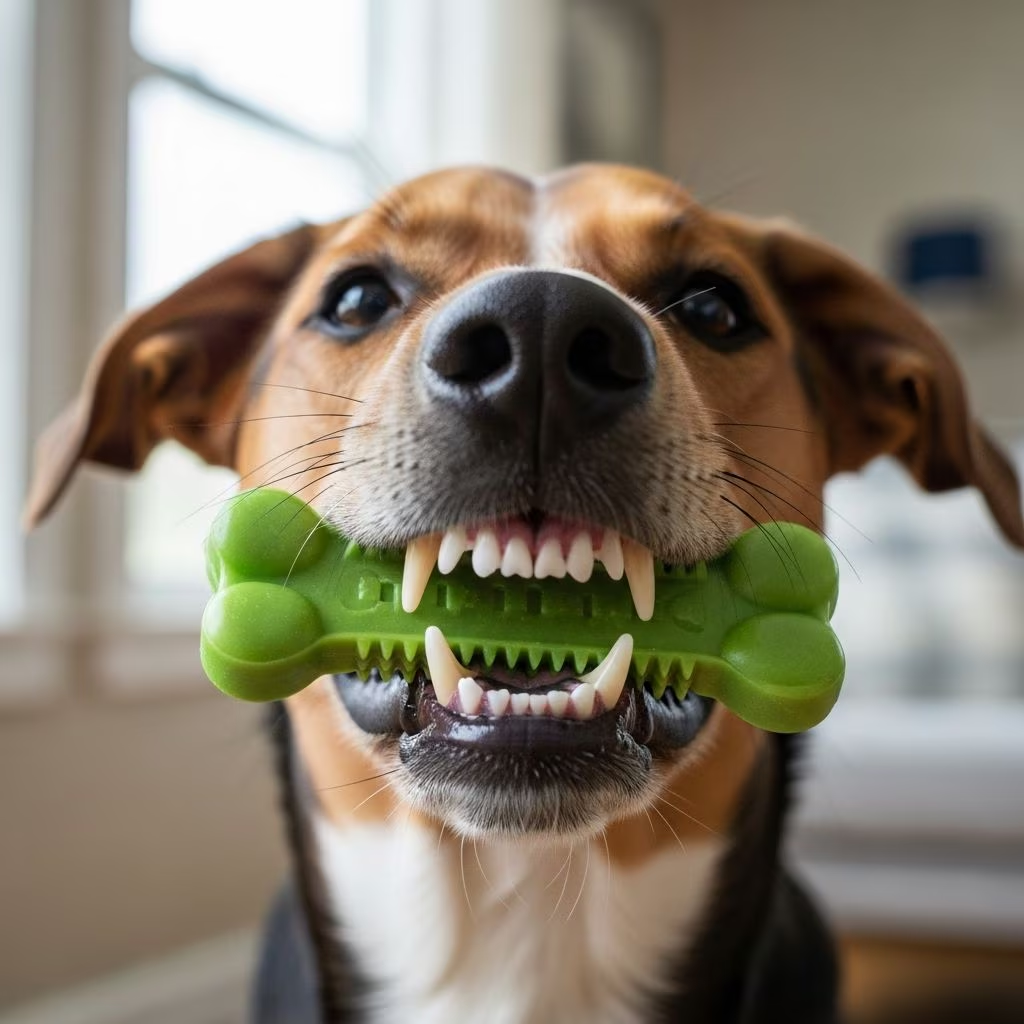
Dental chews offer a convenient way to support canine oral hygiene by mechanically scraping plaque and tartar from teeth during chewing. While they provide notable advantages, potential hazards require careful product selection and supervision to ensure safety.
The Growing Need for Canine Oral Care
Dogs frequently suffer from periodontal disease, with plaque hardening into tartar leading to gingivitis, tooth loss, chronic pain, and halitosis. As dogs live longer, maintaining dental health becomes essential for quality of life, as bacteria from oral infections can spread systemically. Studies show high prevalence rates, such as 73% of dogs experiencing dental issues, underscoring the demand for preventive measures beyond professional cleanings.
How Dental Chews Promote Cleaner Teeth
These treats work through abrasion from textured surfaces and ingredients like enzymes that break down plaque. Daily use has demonstrated reductions in gingivitis scores, plaque accumulation, and calculus buildup compared to kibble-only diets. Chewing also massages gums, improves circulation, and freshens breath by minimizing bacteria.
- Mechanical cleaning: Rough textures scrape surfaces as dogs gnaw.
- Enzyme action: Breaks down bacterial films for added protection.
- Mental benefits: Satisfies natural chewing instincts, reducing destructive behaviors.
Research confirms novel dental chews lower halitosis and oral health scores effectively when fed appropriately.
Scientific Evidence Supporting Effectiveness
A 2020 study on adult dogs found daily dental chews significantly improved oral outcomes versus controls, with results comparable to leading brands. Participants showed reduced plaque, tartar, and bad breath after consistent use. Veterinary sources affirm chews as supplementary tools that decrease visible buildup and support gum health, though not replacements for brushing or vet cleanings.
| Study Aspect | Finding | Source |
|---|---|---|
| Gingivitis Reduction | Lower scores in chew group | |
| Plaque Control | Decreased accumulation | |
| Halitosis Improvement | Reduced oral odor |
Key Risks and Dangers to Watch For
Despite benefits, dental chews pose risks including tooth fractures from overly hard textures, choking on large pieces, and gastrointestinal blockages. Gulpers who swallow whole miss cleaning action and face digestive upset or expansion-related issues.
- Tooth damage: Hard chews exceed enamel strength, causing cracks.
- Choking/Obstruction: Indigestible chunks lodge in airways or intestines.
- Caloric excess: Overfeeding leads to obesity if exceeding 10% of diet.
Veterinarians highlight oral trauma and pathogen risks from low-quality products.
Choosing Safe and Effective Dental Chews
Select size-matched chews for your dog’s breed and jaw strength to optimize abrasion without injury. Prioritize vet-recommended, natural-ingredient formulas avoiding artificial additives.
| Factor | Recommendation |
|---|---|
| Size | Match mouth/tooth proportions |
| Texture | Firm but not rock-hard |
| Ingredients | Natural, enzyme-enriched |
| Calories | Limit to 10% daily intake |
Introduce gradually to monitor tolerance and supervise initial sessions.
Strategies for Dogs That Gulp Treats
For fast eaters, break chews into smaller pieces or use puzzle toys to prolong chewing. Hold one end during sessions to encourage thorough gnawing, preventing whole swallows. Opt for softer, dissolvable options that still provide benefits without high obstruction risk.
Integrating Chews into a Full Dental Routine
Combine with daily brushing using pet-safe toothpaste for comprehensive care. Schedule annual vet exams; chews support but don’t eliminate need for professional intervention. Water additives and dental diets enhance results holistically.
Common Myths About Dog Dental Products
- Myth: All chews fully prevent tartar. Fact: They reduce but require multi-faceted care.
- Myth: Harder equals better cleaning. Fact: Excessive hardness risks fractures.
- Myth: Daily unlimited feeding is safe. Fact: Calorie control prevents weight gain.
Frequently Asked Questions (FAQs)
Do dental chews really work for dogs?
Yes, they reduce plaque and tartar via chewing action, backed by studies showing improved oral scores.
Are dental chews safe for puppies?
Choose puppy-specific soft formulas; avoid hard adult chews to protect developing teeth.
How often should I give dental chews?
Daily for best results, but cap at 10% of calories and consult your vet.
Can dental chews replace vet cleanings?
No, they supplement; professional care addresses sub-gingival issues.
What if my dog swallows chews whole?
Use smaller pieces, supervision, or anti-gulping tools to ensure proper chewing.
Long-Term Oral Health Outlook
Consistent use of appropriate dental chews contributes to healthier mouths, fresher breath, and fewer vet visits. Pair with routine care for optimal results, prioritizing safety to avoid complications.
References
- Are Dental Chews Bad for Dogs? — Mighty Munch. 2023. https://au.mightymunch.com/blogs/news/are-dental-chews-bad-for-dogs
- Effects of novel dental chews on oral health outcomes and halitosis in dogs — PMC (PubMed Central). 2020-09-25. https://pmc.ncbi.nlm.nih.gov/articles/PMC7511057/
- Are Dental Chews Good for Dogs?: A Closer Look — The Honest Kitchen. 2023. https://www.thehonestkitchen.com/blogs/pet-tips-training/are-dental-chews-good-for-dogs
- Do dental chews work for dogs? — Echo Park Vet Hospital. 2024-07-15. https://www.echoparkvethospital.com/site/blog/2024/07/15/dental-chews-work-dog
- Potential Dangers of Popular Dog Chews — Preventive Vet. 2023. https://www.preventivevet.com/dogs/potential-dangers-of-popular-dog-chews
- The Benefits and Risks of Chew Treats — Today’s Veterinary Practice. 2023-12. https://todaysveterinarypractice.com/wp-content/uploads/sites/4/2023/12/TVP-2024-0102_Treats-and-Chews.pdf
- How to Give Dental Chews to Dogs Who Gulp — Jiminy’s. 2023. https://jiminys.com/blogs/understanding-dogs/how-to-give-dental-chews-to-dogs-who-gulp-safe-strategies-that-work



