

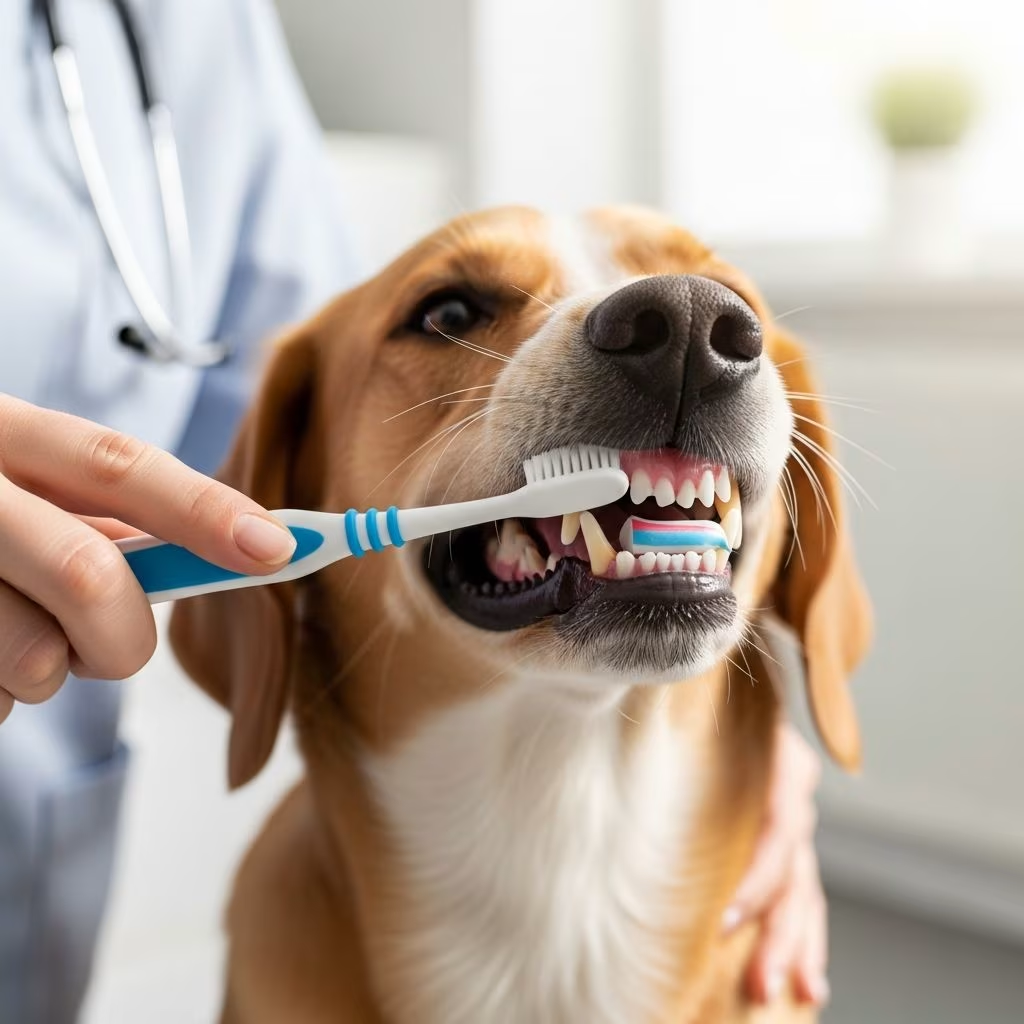
Dental health is crucial for dogs, as periodontal disease affects up to 80% of dogs by age three, leading to pain, tooth loss, and links to heart and kidney issues if untreated. Regular home care and vet checkups prevent these widespread problems.
Why Dental Health Matters for Dogs
Poor oral health in dogs starts with plaque buildup, progressing to gingivitis, tartar, infections, and advanced periodontal disease that damages gums, bone, and teeth. This causes pain, bad breath, appetite loss, and behavioral changes like grumpiness. Studies link untreated dental disease to systemic conditions such as heart and kidney disease, emphasizing that a healthy mouth supports overall wellness. Smaller breeds and older dogs face higher risks due to crowded teeth, diet, and weakened immunity.
Maintaining dental hygiene strengthens the pet-owner bond, as dogs with painful mouths avoid play and cuddles. Daily care routines foster trust and ensure long-term health.
Signs of Dental Problems in Dogs
Early detection prevents escalation. Common symptoms include:
- Bad breath (halitosis), often the first noticeable sign.
- Discolored teeth or visible tartar (yellow-brown buildup).
- Red, swollen, or bleeding gums.
- Loose or missing teeth.
- Drooling excessively or pawing at the mouth.
- Difficulty eating, reduced appetite, or dropping food.
- Facial swelling or abscesses near the jaw.
These signs may be subtle initially, worsening to severe pain without intervention. Greyhounds show dental issues in 39% of cases, linked to genetics and lifestyle.
Dog Breeds Prone to Dental Issues
While all dogs risk dental disease, certain breeds are more susceptible due to skull shape, tooth crowding, and genetics:
- Brachycephalic breeds like Pugs, Bulldogs, French Bulldogs, Boston Terriers, and Shih Tzus have short jaws causing misaligned teeth and rapid plaque buildup.
- Small breeds such as Chihuahuas, Dachshunds, Yorkshire Terriers, and Pomeranians suffer from overcrowded teeth.
- Large breeds like Greyhounds (39% affected), due to jaw structure and racing diets.
Lifestyle factors like soft diets high in sugars exacerbate risks across breeds. Age increases vulnerability as plaque accumulates over time.
How Often Should You Brush Your Dog’s Teeth?
Brush your dog’s teeth 3-7 times weekly with pet-safe toothpaste to control plaque effectively. Daily brushing is ideal, focusing on the cheek-facing surfaces where buildup is heaviest. Start slowly with positive reinforcement to build tolerance; it takes just minutes once trained.
A study on homecare protocols found brushing every other day with toothpaste significantly reduces plaque in unscaled dogs, outperforming water additives alone.
Best Ways to Clean Your Dog’s Teeth at Home
The gold standard is brushing with a soft pet toothbrush (or finger brush) and enzymatic toothpaste designed for dogs—never human paste, which contains toxic xylitol. Technique:
- Gently lift lips to expose teeth.
- Apply pea-sized toothpaste and brush in circular motions, prioritizing outer surfaces.
- Reward immediately to associate positively.
Alternatives and supplements include:
- Dental chews: Daily chews like those tested in studies reduce tartar mechanically. Choose VOHC-approved (Veterinary Oral Health Council) for proven efficacy.
- Dental diets and kibble: Crunchy dry food scrapes plaque; specialized formulas support gum health.
- Water additives: Antimicrobial additives help, best combined with brushing.
- Toys and treats: Rubber toys or soft chews promote chewing without fracturing thin enamel—avoid hard items like bones, antlers, or rocks.
Probiotics support oral microbiome balance, naturally reducing tartar.
Professional Dental Cleanings: When and Why
Home care removes surface plaque but not subgingival tartar or hidden issues. Annual vet exams include oral checks; professional cleanings under anesthesia (with X-rays) scale teeth, polish, and extract if needed. Virginia Tech experts stress these prevent painful issues and improve overall health.
Costs range $400-$900 for basic cleaning, more with extractions or disease severity. Twice-yearly nurse checks aid maintenance. Schedule if home exams reveal issues.
| Method | Frequency | Pros | Cons |
|---|---|---|---|
| Brushing | 3-7x/week | Most effective at-home; low cost | Requires training; time-intensive |
| Dental Chews | Daily | Easy; mechanical action | Calories; select approved brands |
| Water Additives | Daily | Passive | Less effective alone |
| Prof. Cleaning | Annually | Thorough; detects roots | Anesthesia; costly |
Preventing Dental Disease in Dogs
Prevention combines daily brushing, vet checkups, and diet. High-quality nutrition with dental formulas minimizes risks. Monitor small/old dogs closely. Early intervention avoids extractions and systemic spread.
Build routines gradually; toys complement but don’t replace brushing. Vets recommend anesthesia-free checks biannually.
Frequently Asked Questions
Can all dogs get dental disease?
Yes, every breed risks it, though brachycephalics and small dogs are prone. Routine care prevents issues regardless.
How do I introduce toothbrushing to my puppy?
Start at 8 weeks with finger brushing and treats. Gradually use a pet brush over weeks for acceptance.
Is professional cleaning safe under anesthesia?
Yes, when prepped with bloodwork; it’s essential for full cleaning and X-rays.
What if my dog resists brushing?
Use flavored toothpaste, short sessions, and rewards. Chews/water additives bridge gaps.
How much does dog dental care cost?
Home care: $10-20/month supplies. Prof. cleaning: $400-900+; extractions add costs.
Final Thoughts
Consistent dental care keeps dogs pain-free, extends life, and deepens bonds. Start brushing today and book vet checks—healthy teeth mean happy tails.
References
- Dog Breeds Most Prone to Dental Problems — Kinship. 2023. https://www.kinship.com/uk/dog-health/dog-breeds-dental-problems
- How Often Should You Brush Your Dog’s Teeth? — Kinship. 2023. https://www.kinship.com/dog-health/how-often-should-you-brush-your-dogs-teeth
- 80% of Dogs Have a Dental Disease — Does Yours? — Kinship. 2023. https://www.kinship.com/dog-health/dental-disease-in-dogs
- What Is the Best Way to Clean a Dog’s Teeth? — Kinship. 2023. https://www.kinship.com/dog-health/what-is-the-best-way-to-clean-a-dogs-teeth
- Effectiveness of Dental Homecare Protocols in Unscaled Dogs — PMC (NCBI). 2024. https://pmc.ncbi.nlm.nih.gov/articles/PMC11894899/
- How Dental Care Keeps Your Pet Healthy and Happy — Virginia Tech Vet Med. 2023-01-01. https://vetmed.vt.edu/news/2023/pet-dental-care.html



