

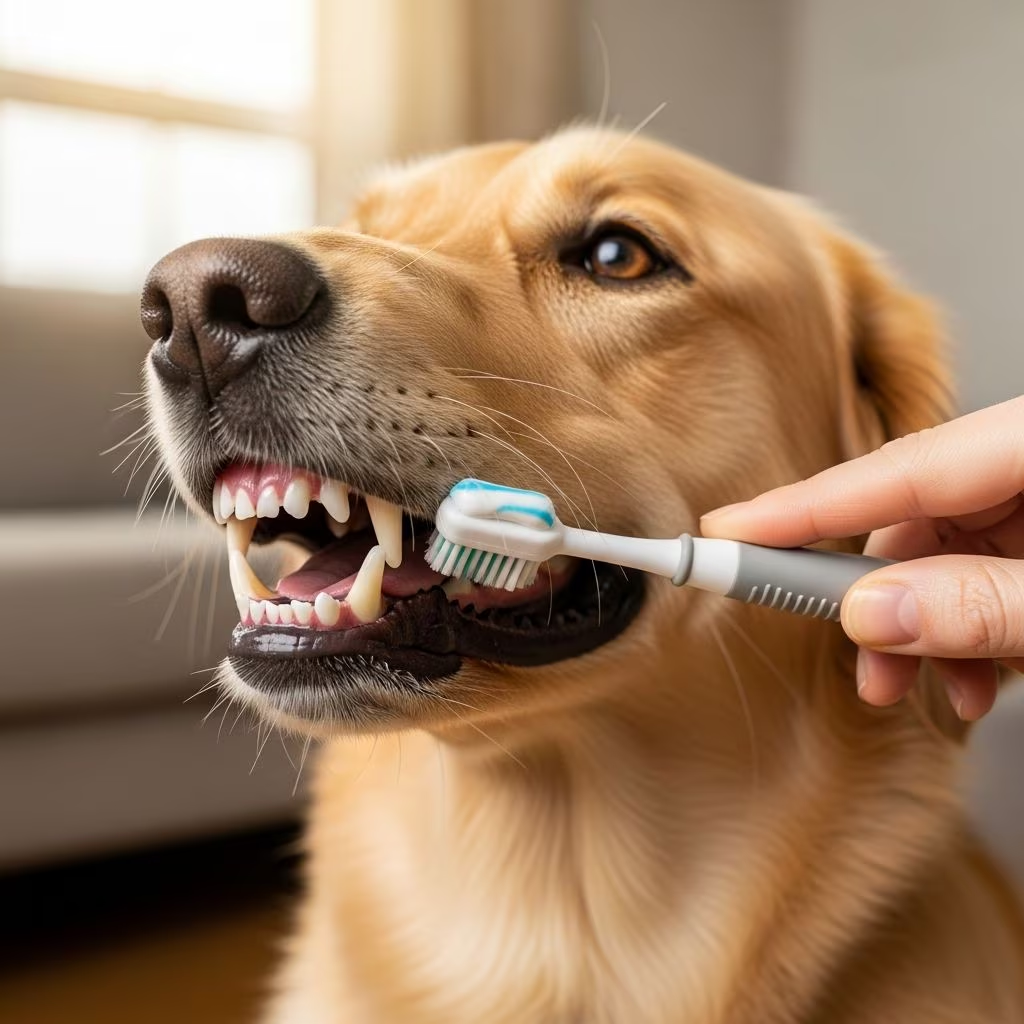
Dental disease represents one of the most common health issues affecting dogs today, yet many pet owners underestimate its importance. The bacteria and plaque that accumulate in your dog’s mouth don’t simply cause bad breath or cosmetic concerns—they can lead to serious systemic health problems affecting the heart, liver, and kidneys. Taking a proactive approach to your dog’s oral hygiene through consistent home care can prevent these complications and save you from expensive veterinary interventions down the road.
Understanding Why Canine Dental Care Matters
Your dog’s teeth require ongoing attention because plaque begins accumulating within 24 hours after cleaning. Unlike humans who can brush their own teeth and understand the importance of oral hygiene, dogs depend entirely on their owners to maintain their dental health. Without intervention, plaque hardens into tartar, which creates an environment where bacteria thrive. This bacterial growth can eventually lead to periodontal disease, tooth loss, and systemic infections that compromise vital organs.
The financial aspect also deserves consideration. Professional dental cleanings requiring anesthesia can be expensive, and emergency dental treatments are even costlier. By implementing a solid home care routine starting early in your dog’s life, you can significantly reduce the frequency and severity of professional interventions needed.
The Foundation: Daily Brushing Techniques
Daily brushing stands as the gold standard for maintaining canine dental health. This simple practice removes plaque mechanically before it can harden into tartar, providing protection that no other home care method can match.
Getting Started with the Right Tools
Success begins with selecting appropriate equipment. Pet-specific toothbrushes differ from human brushes in design and bristle configuration. Choose a brush with soft bristles and an angled handle that allows you to reach all tooth surfaces, particularly the back molars where tartar accumulates most rapidly. Finger brushes and dental wipes can serve as training tools for dogs resistant to traditional brushes, though they’re less effective at plaque removal. Always select pet-safe toothpaste, as human toothpaste contains ingredients toxic to dogs, including fluoride and xylitol, which can cause serious harm if swallowed.
Proper Brushing Methodology
Position the toothbrush at a 45-degree angle where the bristles meet the gumline. This angle allows bristles to penetrate beneath the gumline where plaque accumulation begins. Use gentle circular motions rather than aggressive back-and-forth scrubbing, which can damage gum tissue. Focus on the outer surfaces of teeth—the inner surfaces generally require less attention. Pay special attention to the upper back molars and canine teeth, as these areas accumulate tartar most quickly.
Start by brushing just a few teeth during initial sessions. Many dogs feel anxious about having their mouths handled, so gradual introduction prevents overwhelming them. Sessions should last only a few minutes initially, expanding as your dog becomes comfortable with the process. Always conclude brushing with positive reinforcement—praise, favorite toys, or special treats create positive associations with the routine.
Building Consistency Into Your Schedule
Consistency matters more than duration. Even if daily brushing isn’t feasible, brushing several times weekly significantly improves outcomes compared to sporadic efforts. Tie brushing to an existing daily activity, such as before evening meals, so it becomes an automatic part of your routine. This scheduling strategy helps prevent forgetting and establishes predictability for your dog.
Nutritional Approaches to Dental Health
What your dog eats influences dental health as much as direct care efforts. Certain foods and formulations actively support oral hygiene while others promote disease.
Selecting Dental-Focused Diets
Specialized dental diets are formulated to reduce plaque and tartar accumulation through mechanical action and chemical composition. These foods encourage chewing and contain ingredients that inhibit bacterial growth. When selecting a dental diet, look for the VOHC (Veterinary Oral Health Council) seal, which indicates the product has undergone rigorous testing and proven effective at reducing plaque or tartar. Discuss dietary changes with your veterinarian to ensure the new food meets your dog’s complete nutritional requirements.
Role of Nutrition in Overall Mouth Health
Beyond specialized diets, proper nutrition supports strong teeth and healthy gums. Dogs receiving balanced nutrition with adequate protein, calcium, and phosphorus develop stronger tooth structure and more resilient gum tissue. Poor nutrition compromises immune function, making gums more susceptible to infection and disease progression.
Supplementary Care Tools and Techniques
While brushing remains paramount, additional tools provide extra protection and offer alternatives for dogs resistant to traditional brushing.
Dental Chews and Treats
The mechanical action of chewing naturally reduces plaque through abrasion. Many commercial dental chews contain anti-tartar ingredients enhancing their effectiveness. However, not all chews are appropriate for all dogs. Select chews sized appropriately for your dog—too small presents a choking hazard, while oversized chews may cause jaw strain. The ideal dental chew should be bendable rather than rock-hard; rigid chews and bones risk fracturing teeth. Rawhide chews can be softened by soaking in water before offering. Always supervise your dog during chew sessions to prevent swallowing hazards and choking incidents. Avoid synthetic alternatives like hard nylon toys, which carry high fracture risk.
Dental Wipes as an Alternative Option
Dental wipes wrapped around your finger allow direct cleaning of tooth surfaces and gums. While not as thorough as brushing, they provide a practical option for dogs with severe brushing resistance. Wipes help remove surface plaque and buildup, though they cannot access beneath the gumline effectively. They work best as supplementary tools alongside other care methods rather than primary interventions.
Water Additives and Oral Rinses
Water additives function as drinkable mouthwash, reducing bacteria and preventing plaque formation when added to your dog’s drinking water. These products freshen breath and support oral health without requiring direct manipulation of your dog’s mouth. However, research indicates water additives rank among the least effective home care options because they don’t physically disrupt existing plaque. They work best as supplementary supports rather than standalone solutions. They cannot remove established tartar or clean beneath the gumline.
Preventive Care Throughout Your Dog’s Life Stages
Dental care requirements and strategies shift depending on your dog’s age and life stage.
Establishing Foundations During Puppyhood
Beginning dental care when puppies are as young as three months old creates lifelong habits and acceptance of oral care routines. Puppy stage presents the ideal window for introducing toothbrushing, as young dogs adapt more readily to new experiences. During this period, monitor puppy tooth development—delayed shedding of primary teeth may require extraction to prevent disease and allow proper permanent tooth eruption. Starting early means your dog will see dental care as normal, expected, and routine by adulthood.
Maintenance Through Adult Years
Adult dogs benefit from consistent daily or near-daily brushing combined with appropriate chews and dietary support. This phase typically allows you to establish patterns that become second nature for both you and your dog. Many adult dogs actually begin enjoying daily brushing as special attention time, making compliance easier than during introduction phases.
Addressing Senior Dog Considerations
Older dogs may have existing dental disease requiring modified care approaches. Senior dogs may tolerate brushing less well due to tooth sensitivity or cognitive changes. However, maintaining care routines remains important because dental disease accelerates in older dogs. Work with your veterinarian to adapt strategies that remain comfortable while preserving oral health.
Recognizing Signs of Dental Problems
Even with excellent home care, dental issues can develop. Recognizing warning signs allows for early intervention before problems become severe.
- Bad breath that goes beyond typical “dog breath” may indicate bacterial overgrowth or infection
- Visible tartar or plaque buildup, especially on back teeth
- Red or swollen gums suggesting inflammation or early disease
- Difficulty eating or reluctance to chew, indicating oral pain
- Excessive drooling or pawing at the mouth
- Loose or missing teeth in adult dogs
- Behavioral changes such as increased irritability, which may reflect chronic pain
Contact your veterinarian promptly if you notice any of these signs rather than waiting for a scheduled cleaning appointment.
Professional Dental Care as a Complement to Home Efforts
Home care, no matter how thorough, cannot completely replace professional dental services. Even with excellent brushing habits, tartar forms beneath the gumline where toothbrushes cannot reach. Professional cleanings provide comprehensive evaluation and treatment that home care cannot achieve.
Frequency of Professional Cleanings
Most dogs benefit from professional dental cleanings once annually. Your veterinarian may recommend more frequent cleanings based on your dog’s age, breed predisposition to dental disease, and response to home care efforts. Some breeds genetically predisposed to early dental problems may require cleanings every six months.
What Professional Cleanings Involve
Professional cleanings utilize anesthesia to keep your dog still and comfortable while the veterinary team performs thorough scaling, removes tartar both above and below the gumline, polishes teeth, and takes radiographs to evaluate root health and detect hidden disease. Anesthesia allows complete treatment while protecting your dog from accidentally swallowing cleaning instruments or solutions. Your veterinarian evaluates each tooth individually, identifying disease requiring extraction or treatment and addressing problems before they become emergencies.
Creating a Sustainable Home Care Routine
Success depends on creating routines you’ll actually maintain consistently.
Tips for Long-Term Adherence
- Tie brushing to existing daily activities so it becomes automatic
- Start with realistic goals—even a few weekly sessions beats sporadic intense efforts
- Keep dental supplies visible and accessible to prompt regular use
- Track your brushing frequency to maintain accountability
- Celebrate small wins and progress with your dog
- Involve family members so someone can help during absences
- Adjust techniques if your dog shows resistance, consulting your veterinarian for alternatives
Overcoming Common Obstacles
Many dog owners struggle with resistance or forget to maintain routines. If your dog refuses traditional brushing, try finger brushes or wipes as intermediate steps. If remembering poses challenges, set phone reminders or use habit-tracking apps. If time constraints prevent daily brushing, implement multiple supplementary strategies—chews, dental diet, water additives—that collectively provide meaningful protection even if daily brushing isn’t possible.
Frequently Asked Questions About Canine Dental Care
How can I make my dog accept tooth brushing?
Start slowly with short sessions, use pet-flavored toothpaste your dog enjoys, and always reward positive behavior. Many dogs learn to enjoy brushing when introduced gradually and paired with positive reinforcement. Finger brushes may serve as gentler introduction tools before moving to traditional brushes.
Is professional anesthesia safe for older dogs?
Modern veterinary anesthesia is remarkably safe, even for senior dogs. Pre-anesthetic bloodwork identifies any medical concerns requiring modified protocols. The risks of untreated dental disease typically far exceed anesthesia risks for most dogs, making cleaning procedures worthwhile even for seniors.
What should I do if my dog has severe existing dental disease?
Work with your veterinarian to develop a treatment plan addressing current problems while establishing prevention strategies going forward. Some teeth may require extraction, but treating disease prevents further deterioration and protects remaining teeth.
Can diet alone maintain dental health without brushing?
While specialized dental diets help, they cannot replace brushing. Diet should complement rather than replace brushing as part of a comprehensive approach.
How do I know if my dog’s breath is abnormal?
All dogs have some distinctive breath odor, but severe bad breath—particularly when accompanied by other signs like reluctance to eat or visible gum disease—warrants veterinary evaluation.
References
- Dental Home Care Instructions — University of California, Davis School of Veterinary Medicine. 2024. https://healthtopics.vetmed.ucdavis.edu/health-topics/canine/dental-home-care-instructions
- Homecare Guidelines for Oral Health in Dogs and Cats — Tribeca Veterinary Medicine. 2024. https://www.tribecavets.com/blog/homecare-guidelines-for-oral-health-in-dogs-and-cats
- A Guide to At-Home Care for Pet Teeth — TSAH Veterinary Services. 2024. https://tsahvet.com/blog/2024/01/31/a-guide-to-at-home-care-for-pet-teeth/
- How To Keep Your Dog’s Teeth Clean At Home — VCA Animal Hospitals. 2024. https://vcahospitals.com/resources/preventive-dog/dental/fast-ways-to-keep-pet-teeth-clean-for-the-busy-owner
- Top 5 Home Dental Care Tips for Your Pet — Walden Animal Clinic. 2024. https://www.waldenanimalclinic.com/blog/1351469-top-5-home-dental-care-tips-for-your-pet
- Five Tips to Keep Your Pet’s Teeth Healthy — SPCA Tampa Bay. 2024. https://spcatampabay.org/five-tips-to-keep-your-pets-teeth-healthy/



