

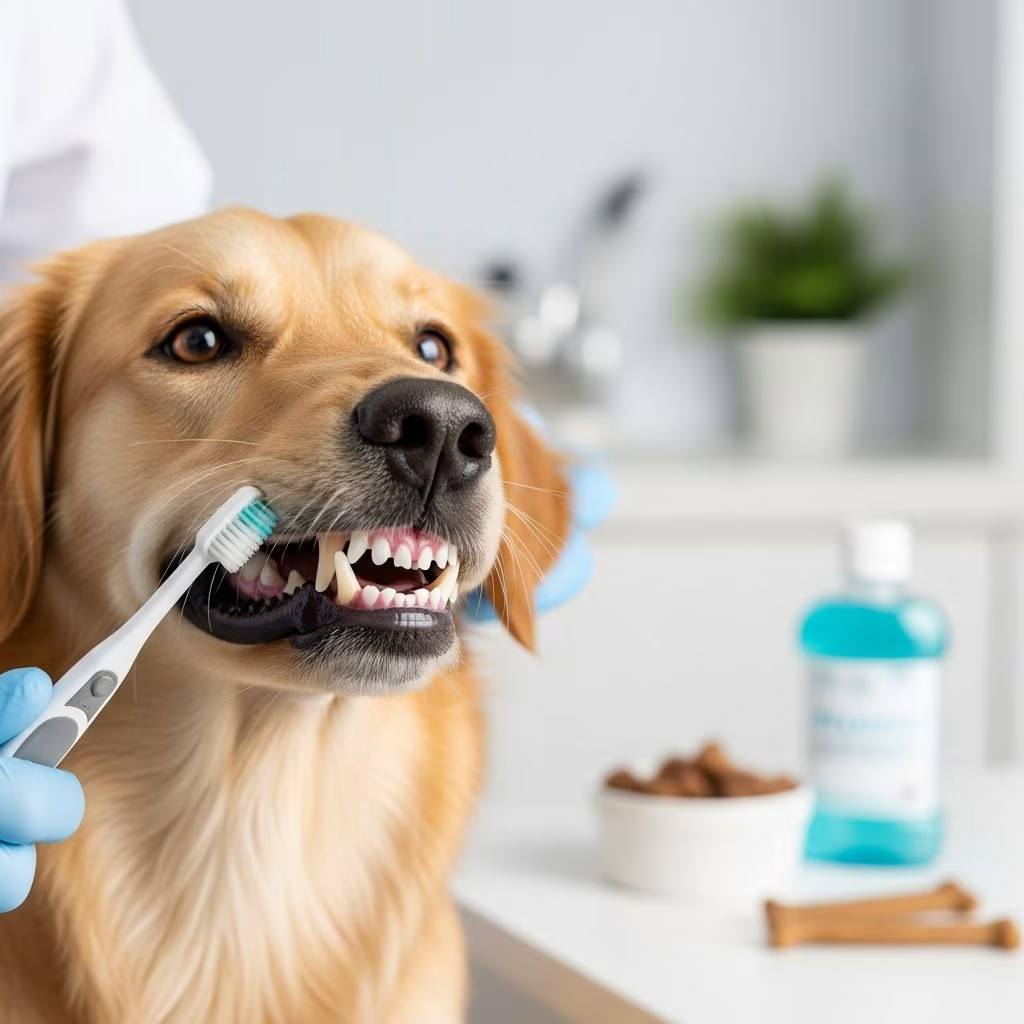
Regular tooth brushing stands as the cornerstone of preventive dental care for dogs, directly tackling plaque accumulation that leads to tartar buildup, gum inflammation, and potentially life-threatening conditions. Veterinary authorities consistently advocate for daily sessions as the gold standard, though practical schedules vary based on a dog’s tolerance and owner commitment.
The Hidden Dangers of Poor Canine Oral Hygiene
Over 80% of dogs aged three and older suffer from some form of periodontal disease, starting with plaque—a bacterial film that forms within hours of eating. If not disrupted, this plaque mineralizes into tartar within 24-48 hours, irritating gums and fostering deep infection pockets. Advanced stages erode supporting bone, cause tooth loss, and allow bacteria to enter the bloodstream, endangering vital organs like the heart, liver, and kidneys.
Halitosis often signals early trouble, but pain from inflamed tissues makes eating difficult, leading to weight loss and behavioral changes. Studies on beagle dogs confirm that unchecked plaque escalates gingivitis severity, underscoring brushing’s role in halting progression.
Optimal Brushing Schedules Recommended by Experts
Veterinary dental colleges and associations align on frequency: daily brushing yields the best outcomes by mechanically removing plaque before hardening. The American Veterinary Dental College (AVDC) and American Veterinary Medical Association (AVMA) endorse this approach, with research showing daily or every-other-day routines significantly outperform weekly efforts.
| Frequency | Effectiveness | Key Benefits | Source Support |
|---|---|---|---|
| Daily (1-2 times) | Gold Standard | Prevents plaque hardening; reduces gingivitis; minimizes vet cleanings | AVDC, AVMA, PubMed study |
| Every Other Day (3-4x/week) | Highly Effective | Significant plaque control; viable for busy owners | VCA, Illinois Vet Med |
| 2-3 Times/Week | Minimum | Basic prevention; better than nothing | PetMD, WebMD |
| Weekly or Less | Limited | Some benefit; insufficient for tartar control | PubMed |
For puppies, introduce brushing early to build acceptance. Older dogs may require gradual training, but persistence pays off as most adapt within weeks.
Essential Tools and Techniques for Effective Br Cleaning
Select enzymatic toothpaste formulated for dogs—never human varieties, which contain toxic xylitol. Finger brushes, dual-ended toothbrushes, or gauze-wrapped fingers work best for reaching all surfaces. Focus on outer teeth surfaces where plaque thrives most.
- Prepare Supplies: Pet-safe toothpaste (poultry or mint flavors encourage acceptance), soft brush, treats for positive reinforcement.
- Positioning: Gently lift lips; start with front teeth, progress to molars. Use 45-degree angle to massage gumline.
- Duration: 30-60 seconds per side suffices for daily maintenance.
- Training Steps: Begin with touch-only sessions, add flavor, then brushing; reward lavishly.
Combine with dental chews or water additives bearing Veterinary Oral Health Council (VOHC) approval for additive protection, though brushing remains superior.
Signs Your Dog Needs Immediate Dental Intervention
Monitor for yellow-brown tartar along gumlines, bleeding or receding gums, loose teeth, excessive drooling, or pawing at mouth. These warrant a vet visit for scaling under anesthesia, as home care cannot remove established tartar.
Breeds like small dogs (e.g., Chihuahuas, Dachshunds) face higher risks due to crowded teeth; brachycephalics (Pugs, Bulldogs) struggle with malocclusion. Annual exams catch issues early.
Enhancing Home Dental Routines with Proven Add-Ons
While brushing dominates, integrate:
- VOHC-approved chews or treats to mechanically scrape plaque.
- Prescription diets that reduce tartar via kibble texture.
- Antimicrobial rinses for hard-to-reach areas.
Consistency across methods amplifies results, potentially spacing professional cleanings to every 1-2 years.
Training Challenges and Solutions for Resistant Dogs
Some dogs resist due to unfamiliar sensations. Counter with desensitization: dab toothpaste on gums daily, progressing to full brushes. Sessions post-meals leverage natural cleaning instincts. Patience yields enjoyment for many, strengthening owner-pet bonds.
Long-Term Health Impacts of Consistent Brushing
Beyond oral comfort, routine care curtails systemic risks. Bacterial spread from infected mouths correlates with endocarditis, nephritis, and hepatic issues. Daily habits not only avert costly procedures ($500-$1500 per cleaning) but extend lifespan by preserving nutrition and vitality.
Frequently Asked Questions
Can I use human toothpaste on my dog?
No—xylitol is toxic to dogs, causing hypoglycemia. Always choose pet-specific enzymatic formulas.
What if my dog hates brushing?
Start slow with positive reinforcement; aim for 3x/week minimum. Consult your vet for alternatives like gels.
How do I know if brushing is working?
Look for reduced tartar, fresh breath, pink gums. Vet checkups confirm progress.
Do all dogs need professional cleanings?
Not if diligent at home, but genetics and diet may necessitate them. Annual exams guide needs.
Is brushing enough without chews or diets?
Yes, it’s the most effective standalone method per studies.
Building a Sustainable Dental Care Plan
Integrate brushing into evenings, pairing with playtime. Track progress via photos of teeth monthly. Adjust frequency based on vet feedback during wellness visits. This proactive stance ensures your dog enjoys pain-free chewing, vibrant energy, and fewer health hurdles throughout life.
References
- Do You Need to Brush Your Dog’s Teeth Every Day? — Vet Dentist TN. 2023. https://vetdentisttn.com/do-you-need-to-brush-your-dogs-teeth-every-day/
- What are the Benefits of Brushing a Dog’s Teeth? — Animal Dental AZ. 2023. https://animaldentalaz.com/benefits-of-brushing-a-dogs-teeth/
- Effect of Frequency of Brushing Teeth on Plaque and Calculus… — PubMed (NCBI). 2015-07-01. https://pubmed.ncbi.nlm.nih.gov/26197686/
- Brushing Your Dog’s Teeth | VCA Animal Hospitals — VCA. 2023. https://vcahospitals.com/know-your-pet/brushing-teeth-in-dogs
- Pet dental care — American Veterinary Medical Association (AVMA). 2023. https://www.avma.org/resources-tools/pet-owners/petcare/pet-dental-care



