

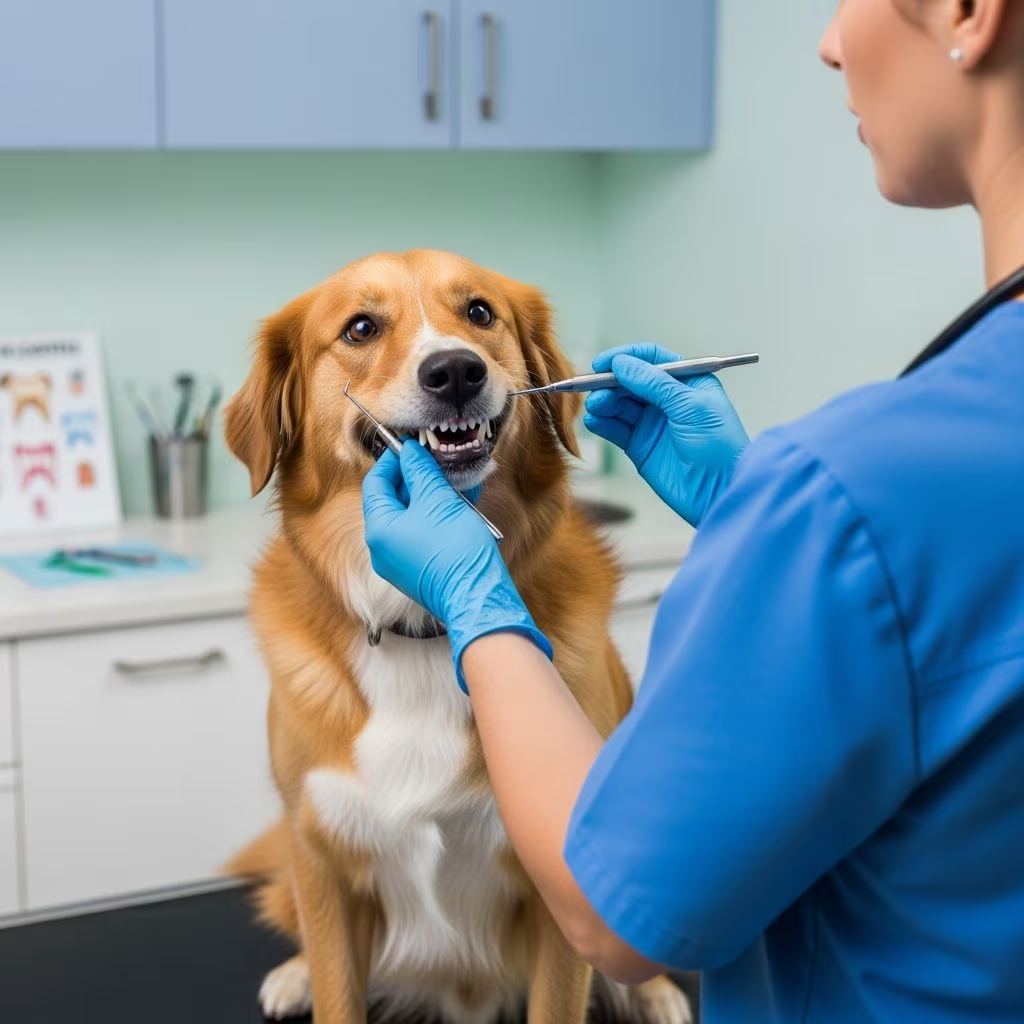
Dog dental care is a vital aspect of overall pet health, often overlooked until serious issues arise. Poor oral hygiene can lead to painful periodontal disease, tooth loss, and even systemic health problems like heart disease. This guide covers everything from warning signs and home care routines to what to expect at a veterinary dentist appointment, helping UK dog owners maintain their pet’s healthy smile.
Why Dog Dental Care Matters
Dogs develop plaque within hours of eating, which hardens into tartar if not removed, leading to gum inflammation, infections, and tooth decay. Periodontal disease affects up to 80% of dogs by age three, progressing silently until advanced stages cause pain and requires professional intervention. Regular dental care prevents these issues, reduces vet bills, and improves quality of life. Breeds like brachycephalics (e.g., Pugs, Bulldogs) are especially prone due to crowded teeth, but all dogs benefit from proactive care.
Neglecting dental health impacts eating, breathing, and behaviour. Dogs hide pain well, so early detection through home checks and annual vet exams is crucial.
10 Warning Signs Your Dog Needs Dental Care
Spotting problems early can prevent escalation. Look for these common signs during daily inspections:
- Bad breath (halitosis): Persistent foul odour indicates bacterial buildup.
- Discoloured teeth: Yellow/brown tartar on teeth surfaces.
- Red or bleeding gums: Inflammation (gingivitis) is an early disease stage.
- Loose or missing teeth: Advanced periodontal damage.
- Pain when eating: Dropping food, chewing on one side, or whining.
- Excessive drooling: Often with blood-tinged saliva.
- Pawing at mouth: Sign of discomfort or foreign objects.
- Facial swelling: Abscesses under eyes or jaw.
- Difficulty chewing hard food: Suggests fractured or decayed teeth.
- Changes in eating habits: Preferring soft foods or reduced appetite.
If you notice any signs, schedule a vet check immediately. Early intervention like scale and polish is far less invasive than extractions.
Understanding Dog Dental Disease
Dental issues stem from plaque—a sticky bacterial film—that mineralises into tartar. This irritates gums, forming pockets where bacteria thrive, eroding bone and tissue. Stages include gingivitis (reversible with brushing) to advanced periodontitis requiring surgery. Factors increasing risk: soft diets, lack of chewing, age, and genetics. Kibble diets help mechanically scrape teeth, unlike wet food.
How to Prepare for Your Dog’s Dentist Appointment
Veterinary dental appointments typically involve general anaesthesia for thorough cleaning, as dogs won’t tolerate awake procedures. Preparation steps:
- Book an oral health check 6-12 months, often with annual boosters.
- Fast your dog 8-12 hours pre-op as advised.
- Provide full health history, including medications.
- Discuss pre-anaesthetic bloodwork to assess risks, especially for seniors.
Expect costs covering exam, X-rays, scaling, polishing, extractions, and pain meds—often £300-£800 depending on severity.
What to Expect at the Vet Dentist Appointment
A full dental procedure under anaesthesia includes:
- Pre-op exam and bloods: Checks for underlying issues.
- Anaesthesia: Safe gas or injectable, monitored closely.
- Full mouth X-rays: Detects hidden abscesses or bone loss.
- Scaling: Ultrasonic removal of tartar above/below gumline.
- Polishing: Smooths enamel to slow new buildup.
- Extractions if needed: Pain-free removal of irreparable teeth.
- Post-op care: Antibiotics, pain relief, and home instructions.
Recovery is quick; most dogs eat softly same day. Follow-up checks ensure healing.
Mastering Home Dental Care for Dogs
Home care is the cornerstone of prevention. Aim for daily routines using pet-safe products.
Step-by-Step Guide to Brushing Your Dog’s Teeth
Brushing removes plaque effectively; introduce gradually over 3-4 weeks.
- Acclimatise: Let dog lick enzymatic pet toothpaste (poultry-flavoured) off finger for 1 week. Never use human toothpaste—toxic fluoride.
- Touch training: Rub gums gently, praise/treat. Add ‘time to brush’ cue.
- Introduce brush: Use finger brush, child toothbrush, or dual-head pet brush. Start outer surfaces, circular motions at gumline.
- Full brush: 30-60 seconds per side, 3-7 times weekly. Reward heavily.
Focus on outer teeth; inner surfaces self-clean via tongue.
Alternative Home Dental Products
Supplements chews, water additives, and dental diets aid but don’t replace brushing. Choose Veterinary Oral Health Council (VOHC)-approved items.
- Dental chews: Mechanically scrape plaque.
- Additives: Enzymes reduce bacteria.
- Diets: Special kibble with fibre.
Avoid raw bones—risk fractures, bacteria.
Daily Dental Checks
Lift lips weekly: Inspect for red gums, tartar, fractures. Note changes for vet.
Preventing Dental Problems Long-Term
- Fed kibble or mixed diet for mechanical cleaning.
- Annual vet dental exams.
- Size-appropriate chews to avoid choking.
- Breed-specific vigilance (e.g., small breeds).
Consistent routines keep 90% of issues at bay.
Frequently Asked Questions (FAQs)
Q: How often should I brush my dog’s teeth?
A: Ideally daily, minimum 3-7 times weekly for optimal plaque control.
Q: Can dental disease affect my dog’s overall health?
A: Yes, bacteria can enter bloodstream, risking heart/kidney issues.
Q: Is anaesthesia safe for dog dental cleanings?
A: When monitored with pre-op checks, risks are low even for seniors.
Q: What if my dog resists brushing?
A: Use positive reinforcement, short sessions, tasty toothpaste. Consult trainer if needed.
Q: Are dental chews enough without brushing?
A: No, they help but brushing is most effective.
Conclusion: Start Your Dog’s Dental Routine Today
Proactive dental care extends life and prevents suffering. Combine home brushing, checks, and vet visits for best results. Your dog’s bright smile—and health—depends on it.
References
- A Guide To Dog Dental Care — Spinney Vets (Northampton Vets). 2023. https://www.northampton-vets.co.uk/pet-help-advice/dogs/dogs-dental-advice/21-dog-dental-care
- Preventing, Managing & Treating Gum Disease In Dogs — Kinship. 2024. https://www.kinship.com/uk/dog-health/rotten-dog-teeth
- Dog Breeds Most Prone to Dental Problems — Kinship. 2024. https://www.kinship.com/uk/dog-health/dog-breeds-dental-problems
- Cleaning Your Dogs Teeth – Dog Dental Health — RSPCA. 2025-01-10. https://www.rspca.org.uk/adviceandwelfare/pets/dogs/health/teeth
- Dog dental hygiene and how to clean your dog’s teeth — Dogs Trust. 2024. https://www.dogstrust.org.uk/dog-advice/health-wellbeing/at-home/dog-dental-hygiene



