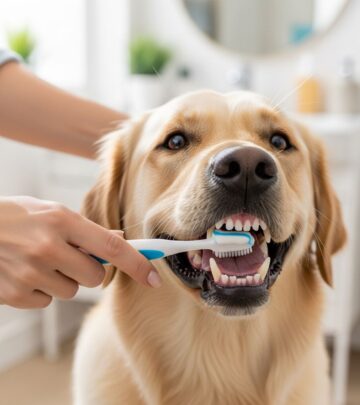
Dog Dental Care at Home
Master simple daily routines to keep your dog's teeth sparkling and gums healthy, preventing costly vet visits and pain.
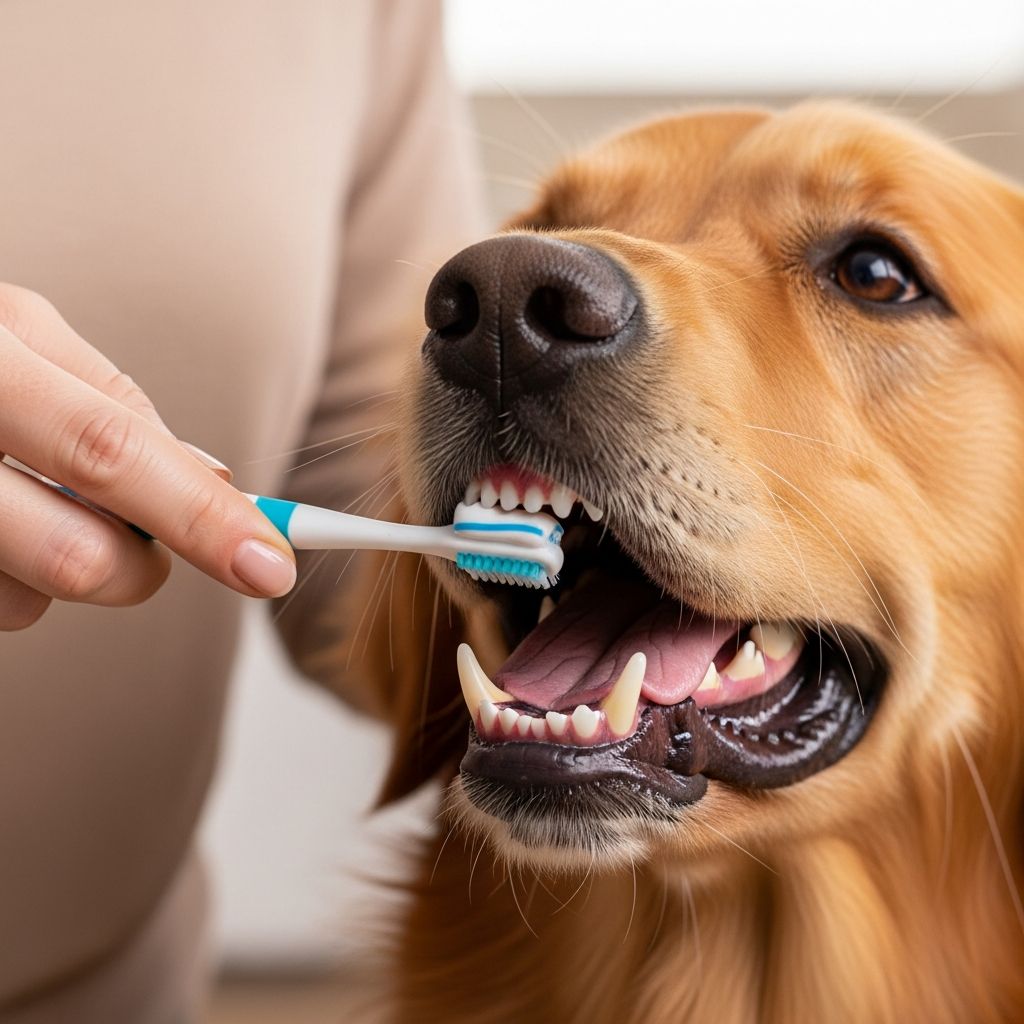
Maintaining your dog’s oral hygiene through consistent at-home practices can dramatically improve their overall well-being and cut down on veterinary expenses. Periodontal issues affect up to 80% of dogs by age three, leading to pain, infections, and systemic health risks like heart and kidney problems. This guide outlines practical, vet-approved methods to keep your canine companion’s smile bright.
Why Prioritize Canine Oral Hygiene?
Dogs rely on their teeth for eating, playing, and exploring, but plaque—a sticky bacterial film—forms within hours of meals and hardens into tartar if ignored. Untreated, this progresses to gingivitis, tooth loss, and bacteria entering the bloodstream, potentially harming organs. Regular home care disrupts this cycle, often delaying or avoiding professional cleanings under anesthesia, which carry risks and costs.
Benefits extend beyond the mouth: fresher breath, better appetite, and increased vitality. Veterinary bodies like the American Veterinary Medical Association emphasize that frequent plaque removal is the cornerstone of prevention. Starting young builds habits, but older dogs benefit too—gradual introduction minimizes resistance.
Essential Tools for Effective Cleaning
Invest in pet-specific gear to ensure safety and efficacy. Human products pose dangers: fluoride and foaming agents upset stomachs or worse.
- Dog Toothbrushes: Soft-bristled, angled designs reach molars; finger brushes suit beginners.
- Enzymatic Toothpastes: Flavors like poultry or peanut appeal to dogs, breaking down bacteria without rinsing.
- Dental Wipes/Gauze: Convenient for wiping surfaces during training phases.
- Water Additives/Rinses: Chlorhexidine or zinc-based formulas inhibit growth when added to bowls.
Look for the Veterinary Oral Health Council (VOHC) seal on chews and diets for proven tartar reduction.
Mastering the Brushing Routine
Daily brushing is the gold standard, mirroring human care by removing biofilm before it calcifies. Aim for once or thrice weekly minimum if daily proves challenging.
Step-by-Step Brushing Guide
- Prepare and Acclimate: Let your dog sniff tools and taste toothpaste alone for positive associations. Reward generously.
- Position Comfortably: Sit sideways so they face away; lift lips gently without forcing jaws.
- Target Key Areas: Focus on outer surfaces of upper molars, canines, and premolars—tartar hotspots. Angle brush 45 degrees under gums in circular motions.
- Short Sessions: Begin with 10-30 seconds on a few teeth, building tolerance over weeks.
- Finish Strong: Praise, treat, or play to end positively. Consistency turns it into a ritual.
Pro Tip: Soak kibble in warm water post-brushing to soften residue, easing mechanical cleaning.
Supplementary Products and Methods
Combine brushing with these for comprehensive coverage, especially for resistant dogs.
| Method | Benefits | Usage Tips | Limitations |
|---|---|---|---|
| Dental Chews | Mechanical scrubbing reduces plaque; VOHC-approved options proven effective | Size-appropriate, supervised; daily or post-meal | Not substitutes for brushing; avoid hard items like bones to prevent fractures |
| Water Additives | Daily bacteria control without effort; safe for bowls | Follow dosing; pair with brushing | Less effective on tartar; taste may deter picky drinkers |
| Dental Diets | Formulated kibble wears enamel naturally | Transition gradually; vet consult for needs | Supports but doesn’t replace hygiene routines |
| Wipes/Rinses | Quick plaque wipe-downs; ideal for travel | Apply to gums/teeth daily | Surface-level only; not for deep cleaning |
Rotate methods to maintain engagement and maximize results.
Recognizing and Addressing Dental Red Flags
Monitor weekly: bad breath, yellow tartar, loose teeth, drooling, pawing at mouth, or appetite loss signal trouble. Early intervention prevents abscesses or extractions. Schedule vet exams annually or biannually; full cleanings every 6-12 months based on risk.
For post-op care, follow soft-food diets and avoid chews until healed.
Building a Sustainable Dental Wellness Plan
Tailor routines to lifestyle: busy owners might prioritize additives/chews, while hands-on types focus on brushing. Track progress with photos or vet check-ins. Puppies start with finger massages; seniors need gentler approaches for fragile gums.
Diet matters—avoid table scraps fueling bacteria. Hydration flushes debris; fresh water always available.
Common Challenges and Solutions
- Resistance: Use high-value rewards; enlist family for fun sessions.
- Small Breeds: Prone to crowding—daily care essential.
- Aggression: Consult trainers or vets for desensitization.
Frequently Asked Questions
Can I use human toothpaste on my dog?
No—xylitol, fluoride, and foams are toxic. Stick to enzymatic pet formulas.
How often should I brush my dog’s teeth?
Ideally daily; 3-7 times weekly suffices for control.
Do dental chews really work?
VOHC-sealed ones reduce tartar mechanically; best with other methods.
When does my dog need a professional cleaning?
At first tartar signs or annually; under anesthesia for thorough scaling.
Is bad breath always dental?
Often yes, but check diet, GI issues, or diabetes with your vet.
Long-Term Commitment Pays Off
Integrating these habits fosters a healthier, happier dog. Consistency trumps perfection—small daily efforts yield big gains. Consult your vet for personalized advice, especially with pre-existing conditions.
References
- Post-Op Dental Care and Home Dental Care for Dogs — Blue Springs Animal Hospital. 2023. https://www.bluespringsanimalhospital.com/services/dogs/blog/post-op-dental-care-and-home-dental-care-dogs
- Homecare Guidelines for Oral Health in Dogs and Cats — Tribeca Vets. 2024. https://www.tribecavets.com/blog/homecare-guidelines-for-oral-health-in-dogs-and-cats
- A Guide to Home Dental Care for Pets — WellPets. 2023-05-14. https://www.wellpets.com/blog/125-a-guide-to-home-dental-care-for-pets/
- A Guide to At-Home Care for Pet Teeth — TSAH Vet. 2024-01-31. https://tsahvet.com/blog/2024/01/31/a-guide-to-at-home-care-for-pet-teeth/
- Dental Home Care Instructions — UC Davis Veterinary Medicine. 2025. https://healthtopics.vetmed.ucdavis.edu/health-topics/canine/dental-home-care-instructions
- How to Clean and Care for Your Pet’s Teeth — AARP. 2024. https://www.aarp.org/family-relationships/pet-dental-care-guide/
- Pet Dental Care — American Veterinary Medical Association (AVMA). 2025. https://www.avma.org/resources-tools/pet-owners/petcare/pet-dental-care
Similar Articles








Read full bio of Sneha Tete