

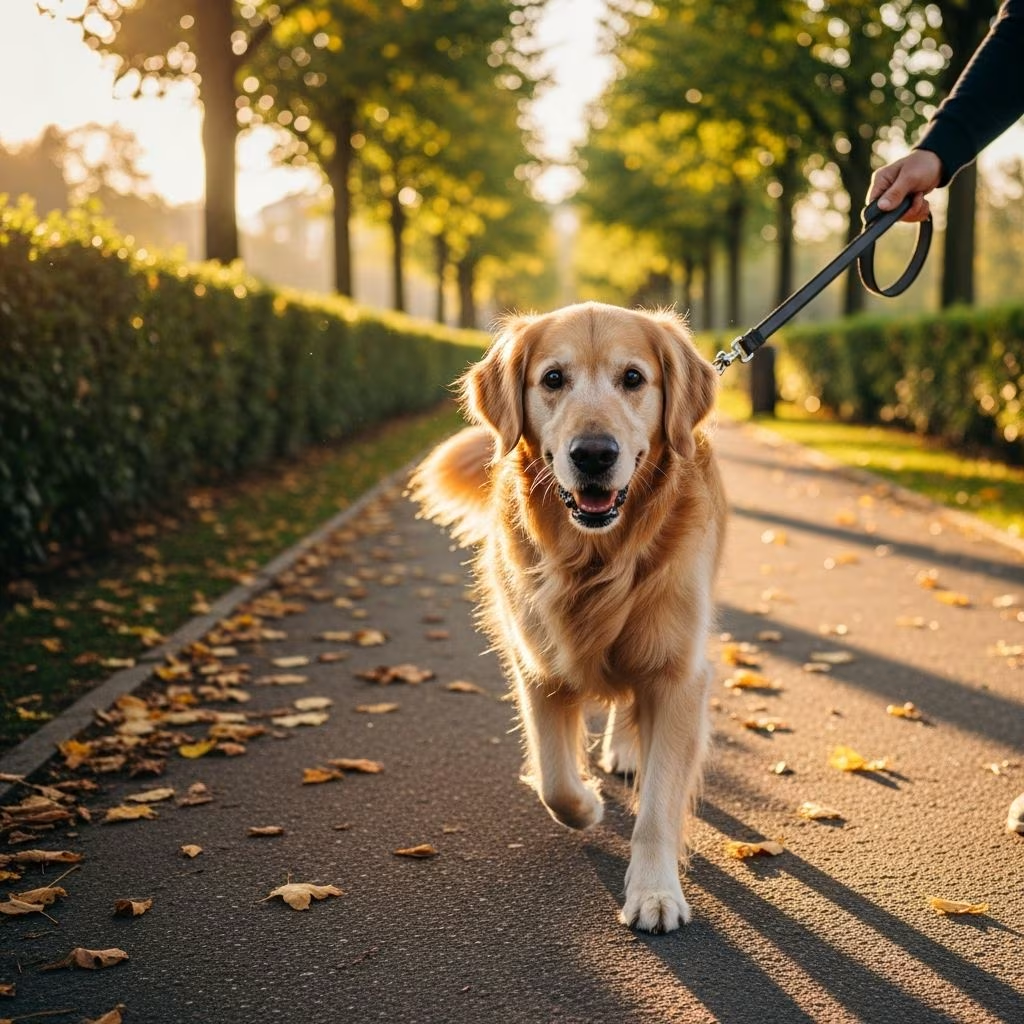
Canine cognitive dysfunction (CCD), often called dog dementia, affects many senior dogs, leading to confusion, disorientation, and behavioral changes. Regular exercise offers proven benefits in slowing progression, improving mood, and enhancing quality of life for these pets.
What Is Canine Cognitive Dysfunction?
Canine cognitive dysfunction (CCD) is a progressive neurodegenerative condition in older dogs, similar to Alzheimer’s disease in humans. It impacts memory, learning, and awareness, with symptoms including sleep disturbances, house soiling, and altered interactions. Studies show physical activity robustly associates with better cognitive outcomes in dogs aged 6-18 years, reducing dementia prevalence. Inactive dogs are 6.5 times more likely to develop CCD than active peers.
CCD arises from brain aging, amyloid-beta plaques, and vascular changes. Early signs mimic normal aging but worsen over time. Diagnosis involves ruling out medical issues via vet exams. Prevalence rises with age: 28% in 11-12-year-olds, up to 68% in dogs over 15.
- Common symptoms: Disorientation (staring at walls), sleep-wake cycle changes, anxiety at night.
- House soiling: Loss of potty training due to forgetfulness.
- Social changes: Reduced interest in family or play.
- Activity alterations: Pacing, restlessness, or lethargy.
How Exercise Helps Dogs with Dementia
Exercise stimulates brain blood flow, reduces inflammation, and promotes neuroplasticity in dogs with CCD. Research on over 15,000 companion dogs links higher physical activity to lower cognitive dysfunction scores. Active dogs show fewer dementia signs, with benefits persisting after controlling for age and health.
In humans, dog ownership cuts disabling dementia risk by 40%, especially with exercise habits (OR 0.37 for dog owners exercising regularly). Parallel mechanisms apply to canine brains: moderate activity like walking boosts BDNF (brain-derived neurotrophic factor), aiding neuron growth.
- Cognitive preservation: Delays memory loss and confusion.
- Mood enhancement: Releases endorphins, reducing anxiety.
- Physical health: Maintains mobility, prevents obesity.
- Sleep regulation: Promotes restful nights.
- Social stimulation: Walks encourage interactions.
Best Types of Exercise for Senior Dogs with CCD
Tailor activities to your dog’s fitness and symptoms. Low-impact options prevent injury while maximizing brain benefits.
| Exercise Type | Benefits | Duration/Frequency | Suitability |
|---|---|---|---|
| Leashed Walks | Moderate cardio, scent exploration, routine building | 20-30 min daily, split if needed | All stages; use harness |
| Swimming/Hydrotherapy | Joint-friendly, full-body workout | 15-20 min, 2-3x/week | Arthritic dogs |
| Gentle Fetch | Mental stimulation, short bursts | 5-10 min sessions | Early CCD |
| Balance Work | Proprioception, prevents falls | 10 min daily | Senior mobility |
| Yard Sniffing | Low-energy mental exercise | 15 min unstructured | Advanced CCD |
Swimming stands out for arthritic seniors, building muscle without joint stress. Sniffing games engage the olfactory bulb, linked to memory centers.
Creating a Safe Exercise Routine
Consistency combats confusion in CCD dogs. Start slow, monitor for fatigue.
- Assess fitness: Vet clearance; track stamina.
- Set schedule: Same times daily for predictability.
- Warm-up: 5-min slow walk.
- Adapt weather: Indoor alternatives like hallway laps.
- End positively: Treats, cuddles.
Aim for 30 minutes total daily, divided into sessions. Over 15,000-dog study confirms even moderate activity slashes CCD risk. Track progress with journals: note alertness post-exercise.
Mental Exercises to Complement Physical Activity
Brain games pair with physicality for holistic benefits. Physical activity enriches environments, reducing amyloid pathology.
- Food puzzles: Kongs, sniff mats stimulate problem-solving.
- Training refreshers: ‘Sit,’ ‘stay’ reinforce memory.
- Scent work: Hide treats; boosts dopamine.
- Social play: Controlled dog park visits.
- Massage: Improves circulation, calms.
Combine: Walk then puzzle. Dog Aging Project data shows active dogs have sharper cognition.
Nutrition and Supplements for Brain Health
Exercise efficacy amplifies with diet. Omega-3s (DHA/EPA) support neurons; antioxidants combat oxidative stress.
- Key nutrients: Fish oil, blueberries, turmeric.
- Vet-recommended: Hills b/d, Purina NeuroCare.
- Hydration: Fresh water stations.
Medium-chain triglycerides (MCTs) provide brain fuel. Studies link enriched diets with activity to better cognition.
Monitoring Progress and When to See a Vet
Journal symptoms pre/post-exercise. Improvements: Better sleep, engagement. Worsening: Increased confusion warrants meds like selegiline.
- Red flags: Falls, aggression, total disorientation.
- Tools: CCD rating scales from vets.
Regular check-ups adjust plans. Exercise slows but doesn’t cure CCD.
Frequently Asked Questions (FAQs)
Q: Can exercise reverse dog dementia?
A: No, but it slows progression and improves symptoms significantly. Active dogs show 6.5x lower CCD risk.
Q: How much exercise for a dog with CCD?
A: 20-30 minutes daily, low-impact. Split into short sessions.
Q: Is swimming good for senior dogs with dementia?
A: Yes, ideal for joint issues; enhances circulation without strain.
Q: What if my dog refuses to exercise?
A: Use high-value treats, short sessions, vet check for pain.
Q: Does dog ownership prevent owner dementia?
A: Yes, 40% lower risk, especially with walks.
Q: Can puppies get dementia?
A: Rare; CCD affects seniors primarily.
Final Thoughts
Exercise transforms life for dogs with dementia, preserving dignity and joy. Commit to routines backed by science for lasting impact.
References
- Protective effects of dog ownership against the onset of disabling dementia — Taniguchi Y et al. 2023-12-01. https://pmc.ncbi.nlm.nih.gov/articles/PMC10583170/
- Associations between physical activity and cognitive dysfunction in older companion dogs — Milojevic M et al. 2023. https://pmc.ncbi.nlm.nih.gov/articles/PMC9886770/
- Scientific Results: Associations between physical activity and cognitive dysfunction — Dog Aging Project. 2023. https://dogagingproject.org/scientific-results-associations-between-physical-activity-and-cognitive-dysfunction-in-older-companion-dogs
- How Exercise Can Help Improve Your Dog’s Mental Health — American Kennel Club. 2023. https://www.akc.org/expert-advice/health/dog-exercise-mental-health/
- How Pets Can Protect Cognitive Health in Older Adults — American Psychiatric Association. 2023. https://www.psychiatry.org/news-room/apa-blogs/pets-can-protect-cognitive-health-in-older-adults



