

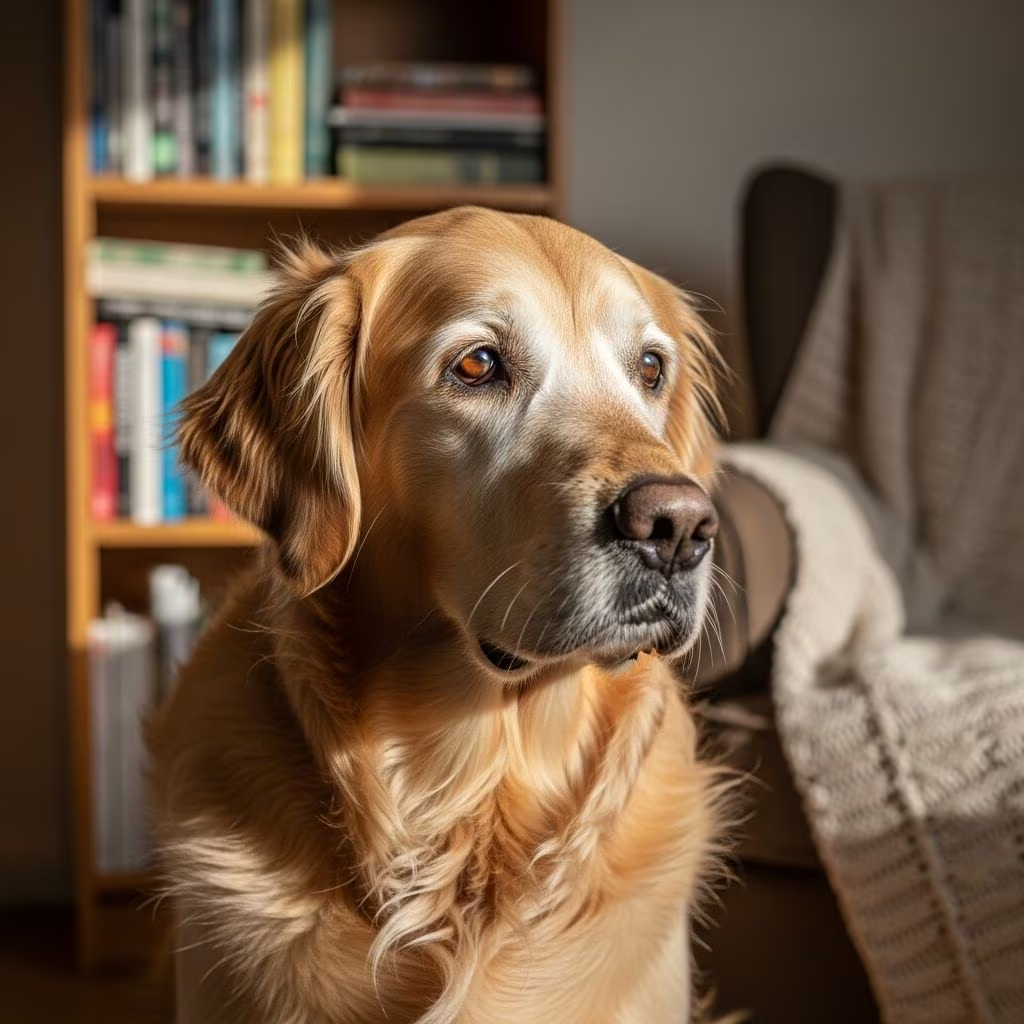
Canine cognitive dysfunction (CCD), often called dog dementia, is a progressive neurodegenerative condition impacting senior dogs, leading to cognitive decline similar to Alzheimer’s disease in humans. Affecting up to 35% of dogs over nine years old, it involves brain changes that alter behavior, memory, and daily functioning.
The Brain Changes Behind Dog Dementia
CCD arises from age-related degeneration in a dog’s brain. Neurons, essential for transmitting signals that control mental and physical activities, begin to deteriorate as dogs age. A key factor is the accumulation of beta-amyloid plaques, which create toxic environments harming these neurons.
Additional changes include reduced blood flow to the brain, neuronal loss in areas like the basal ganglia, decreased white matter, and increased cerebral amyloid angiopathy. These alterations mirror human dementia pathologies, disrupting information processing and leading to observable symptoms.
Physical signs often accompany these brain shifts, such as vision impairment, smell disturbances, tremors, swaying, and head ptosis, which can appear even in early stages and aid in detection.
Recognizing Early Warning Signs of CCD
Early CCD symptoms are subtle, often dismissed as normal aging, but timely recognition is crucial. Owners might notice gradual shifts in routine behaviors.
- Disorientation: Dogs get lost in familiar spaces, stand staring blankly, or get stuck in corners.
- Sleep Disruptions: Reversed cycles with daytime sleeping and nighttime pacing or restlessness.
- House-Soiling: Accidents indoors despite prior training, or failure to signal potty needs.
- Social Changes: Reduced recognition of family, other pets, or altered interactions like clinginess or withdrawal.
- Anxiety and Vocalization: Increased barking, whining, pacing, panting, or new fears.
As CCD advances, symptoms intensify, including appetite fluctuations, decreased play interest, aggression, and failure to follow known commands.
Physical Indicators Linked to Cognitive Decline
Beyond behavioral cues, physical disturbances signal CCD. Research from surveys of over 700 dog owners identified strong associations with vision loss, olfactory issues, tremors, unsteadiness, and head drooping.
| Physical Sign | Association Strength with CCD | Potential Causes |
|---|---|---|
| Vision Impairment | Strong (χ²=30.21, p<0.0001) | Retinal changes, optic nerve damage, similar to human dementia |
| Smell Disturbance | Moderate (χ²=12.97, p=0.0015) | Olfactory pathway degeneration |
| Tremors/Swaying | Significant | Neuronal loss, basal ganglia issues |
| Head Ptosis | Tending toward association | Posture/gait disorders |
These signs, validated in both web and paper surveys, suggest CCD’s overlap with human conditions and highlight opportunities for early intervention.
Risk Factors and Prevalence in Aging Dogs
CCD primarily affects dogs over nine years, with prevalence rising to 35% in those over 11. Breeds vary, but larger dogs may show earlier onset due to shorter lifespans. Other risks include untreated sensory losses or concurrent conditions like arthritis, which exacerbate symptoms.
Under diagnosis is common as changes progress slowly, but awareness of the DISHAA framework—Disorientation, Interactions changes, Sleep-wake cycles, House-soiling, Activity alterations, Anxiety—helps owners spot issues.
Diagnosing Canine Cognitive Dysfunction
Veterinarians diagnose CCD through history, physical exams, and ruling out other issues like infections, tumors, or metabolic disorders. Tools include owner questionnaires assessing behavioral shifts and physical signs.
Advanced imaging like MRI reveals brain shrinkage, while blood tests exclude thyroid problems or pain sources. No single test confirms CCD; it’s a diagnosis of exclusion combined with symptom patterns.
Management Strategies to Slow Progression
While incurable, CCD management improves quality of life. Strategies encompass diet, medications, environment, and supplements.
Nutritional Interventions
Diets rich in antioxidants, omega-3 fatty acids, and medium-chain triglycerides support brain health, reducing beta-amyloid buildup and enhancing neuron function.
Pharmacological Options
Vet-prescribed drugs like selegiline boost neurotransmitters, while anti-anxiety meds address restlessness. Always consult professionals for tailored plans.
Environmental Enrichment
- Maintain routines for security.
- Provide puzzle toys and scent games to stimulate cognition.
- Increase gentle exercise to promote blood flow.
- Use pheromone diffusers to reduce anxiety.
Regular vet check-ups monitor progress and adjust care.
Lifestyle Adjustments for Senior Dogs
Adapt the home: add ramps, non-slip floors, and clear pathways to counter physical declines. Consistent schedules for meals, walks, and sleep reinforce memory. Social interaction prevents isolation, vital as sensory losses compound cognitive issues.
Prognosis and Long-Term Care
With intervention, many dogs live comfortably for years post-diagnosis. Progression varies; early action halts decline better than late starts. Euthanasia considerations arise when quality of life diminishes severely, guided by vet assessments.
FAQs on Dog Dementia
What is the difference between normal aging and CCD?
Normal aging brings mild slowdowns; CCD involves progressive confusion, incontinence, and personality shifts beyond expected wear.
Can younger dogs get CCD?
Rarely; it’s tied to advanced age, typically post-nine years.
Is there a cure for canine cognitive dysfunction?
No cure exists, but management slows symptoms and enhances well-being.
How do I know if my dog’s behavior change is CCD?
Track DISHAA symptoms and consult a vet to rule out other causes.
Are supplements effective for CCD?
Some, like SAM-e and omega-3s, show promise; vet approval is essential.
References
- Physical signs of canine cognitive dysfunction — PubMed Central – NIH. 2019-12-31. https://pmc.ncbi.nlm.nih.gov/articles/PMC6943310/
- Dementia in Dogs: Cognitive Dysfunction — PDSA. Accessed 2026. https://www.pdsa.org.uk/pet-help-and-advice/pet-health-hub/conditions/dementia-in-dogs-cognitive-dysfunction
- Canine Cognitive Dysfunction: The Doggy Dementia Dilemma — Haven Lake Animal Hospital. Accessed 2026. https://www.havenlakeanimalhospital.com/canine-cognitive-dysfunction-the.pml
- Cognitive dysfunction syndrome — Cornell University College of Veterinary Medicine. Accessed 2026. https://www.vet.cornell.edu/departments-centers-and-institutes/riney-canine-health-center/canine-health-topics/cognitive-dysfunction-syndrome
- Canine Cognitive Dysfunction Syndrome (CDS) — VetSpecialists.com. 2022-11-15. https://www.vetspecialists.com/vet-blog-landing/animal-health-articles/2022/11/15/canine-cognitive-dysfunction-syndrome-(cds)



