

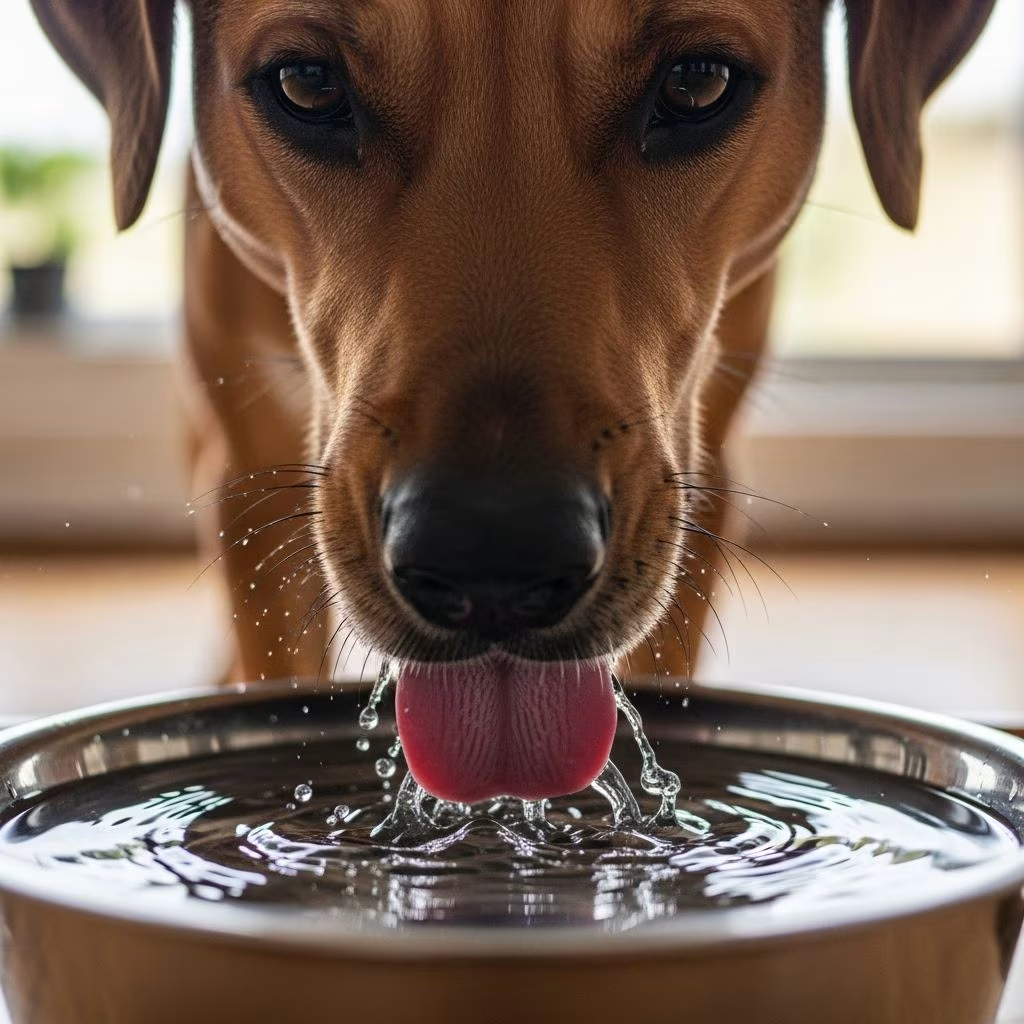
Dehydration in dogs occurs when the body loses more fluids than it takes in, disrupting normal functions and potentially leading to serious health issues. Recognizing early signs and acting promptly can make a significant difference in your dog’s well-being.
Recognizing Dehydration Symptoms in Canines
Dogs cannot communicate thirst verbally, so owners must watch for subtle and severe indicators of fluid loss. Early detection allows for quicker intervention.
- Behavioral Shifts: Look for lethargy, reduced activity, or unusual weakness, as dehydrated dogs often lack energy for play or walks.
- Physical Changes: Check gums for tackiness or dryness instead of normal moistness; a dry nose and sunken eyes are also common.
- Respiratory Signs: Excessive panting or rapid breathing beyond normal exertion signals the body struggling to cool itself amid fluid deficit.
- Appetite Loss: Refusal to eat, even favorite foods, often accompanies dehydration as discomfort sets in.
- Skin Elasticity Test: Gently pinch the skin on the back of the neck; if it does not snap back quickly, dehydration may be present.
These symptoms can escalate rapidly, especially in puppies, seniors, or breeds with flat faces like Bulldogs, who pant more inefficiently.
Primary Triggers Behind Canine Dehydration
Understanding root causes helps target prevention and treatment effectively. Dehydration stems from either insufficient intake or excessive loss.
| Cause Category | Examples | Impact Level |
|---|---|---|
| Environmental | Hot weather, prolonged exercise | High – Rapid fluid loss via panting |
| Gastrointestinal | Vomiting, diarrhea | High – Direct fluid depletion |
| Medical Conditions | Kidney disease, diabetes, infections | Moderate to Severe – Ongoing fluid imbalance |
| Behavioral | Inadequate drinking, stress | Moderate – Preventable with monitoring |
Heat exposure combined with activity amplifies risks, as dogs cool primarily through panting, which evaporates moisture from the tongue and lungs. Chronic illnesses like diabetes increase urination, pulling fluids from the body.
Home-Based Strategies for Mild Cases
For mild dehydration without vomiting, pet owners can initiate rehydration at home while monitoring closely. Always consult a vet if symptoms persist.
- Provide fresh, cool water in small, frequent offerings to avoid overwhelming the stomach.
- Offer ice cubes or chips for licking, slowing intake and soothing dry mouths.
- Use vet-approved electrolyte solutions like unflavored Pedialyte or dog-specific formulas to restore minerals.
- Encourage rest in a shaded, cool area to minimize further fluid loss.
Avoid forcing large water volumes, as this can induce vomiting and worsen the condition. Track improvements within hours; lack thereof warrants professional care.
Professional Veterinary Interventions
Severe dehydration demands immediate veterinary attention, often involving advanced fluid therapy to stabilize the dog.
Vets assess severity via physical exams, skin turgor tests, and blood work to check electrolyte levels and organ function. Treatments include:
- Subcutaneous Fluids: Administered under the skin for moderate cases, absorbed gradually.
- Intravenous (IV) Fluids: For critical situations, delivering rapid rehydration and circulation support.
- Supportive Care: Medications for underlying issues like anti-nausea drugs or antibiotics for infections.
Hospitalization may be required for monitoring vital signs and preventing complications like organ strain. Recovery typically shows within 24-48 hours with proper care.
Prevention Tactics for Optimal Hydration
Proactive measures ensure dogs maintain fluid balance, reducing dehydration risks across seasons and activities.
- Keep multiple clean water stations accessible, refreshing them daily and more often in heat.
- Adjust intake during hot weather or exercise: add water to kibble or use portable bowls on walks.
- Monitor high-risk dogs: seniors, brachycephalic breeds, and those with health conditions need extra vigilance.
- Incorporate wet food or broths to boost moisture in diets.
- Schedule regular vet check-ups to catch early signs of predisposing illnesses.
During summer, avoid midday walks and provide shaded rest areas with water. Training dogs to drink from new sources prevents issues during travel.
Special Considerations for Vulnerable Dogs
Certain dogs face heightened dehydration risks due to age, breed, or health status.
- Puppies and Seniors: Immature kidneys in pups and reduced thirst response in elders impair regulation.
- Brachycephalic Breeds: Pugs and similar dogs overheat faster due to airway restrictions.
- Chronic Illness Patients: Those with kidney disease or diabetes require tailored fluid plans.
Owners should customize prevention, such as flavored water additives for picky drinkers or cooling mats for heat-sensitive pets.
FAQ: Common Questions on Dog Dehydration
Q: How long can a dog go without water?
A: Healthy adult dogs should not exceed 24 hours without water; smaller or active ones need access constantly to avoid risks.
Q: Is a dry nose always a dehydration sign?
A: No, but combined with other symptoms like lethargy, it warrants attention; normal noses vary by breed and environment.[10]
Q: Can I use human sports drinks for my dog?
A: Avoid them due to high sugar and additives; opt for pet-specific electrolytes instead.
Q: What if my dog drinks but still seems dehydrated?
A: Underlying conditions like diabetes may cause excessive urination; seek vet evaluation promptly.
Q: How do I test dehydration at home accurately?
A: Perform the skin pinch and gum check; if unsure, consult a professional rather than delay.
Long-Term Health Implications and Monitoring
Repeated dehydration episodes can strain kidneys, heart, and other organs, emphasizing prevention’s importance. Daily routines like weighing dogs weekly can detect subtle fluid shifts, as sudden losses appear as weight drops.
Integrate hydration into wellness plans: track water intake (aim for 1 ounce per pound of body weight daily, more in heat), observe urine color (pale yellow is ideal), and note behavior changes. Apps or journals help log patterns for vet discussions.
For multi-dog homes, ensure no bullying at water bowls. Travel preparations include hydration packs and stop frequent for drinks. Seasonal shifts demand adjustments—winter heating dries air, increasing needs subtly.
References
- Dog Dehydration: Causes, Signs, Treatment and Prevention — Boulder Veterinary Hospital. 2023-05-15. https://bouldervet.com/?p=14390
- Dehydration in Dogs: Symptoms, Causes and Treatment — Warrick Veterinary Clinic. 2024-02-10. https://warrickvet.com/blog/dehydration-dogs/
- Dehydration in Dogs & Cats: Signs, Causes, Treatment & Prevention — UrgentVet. 2023-11-20. https://urgentvet.com/dehydration-in-dogs-cats-signs-causes-treatment-prevention/
- Dog Dehydration: Signs, Causes, Treatments and How To Protect — Carey Animal Hospital. 2024-01-05. https://careyanimalhospital.com/blog/dog-dehydration/
- Dehydration in Dogs – Symptoms, Causes, and Treatments — Memphis Veterinary Specialists. 2020-08-14. https://www.memphisveterinaryspecialists.com/site/blog-cordova/2020/08/14/dehydration-in-dogs-causes-symptoms-treatment
- Understanding & Treating Dehydration in Dogs — Hill’s Pet Nutrition. 2023-07-12. https://www.hillspet.com/dog-care/healthcare/dehydration-in-dogs



