

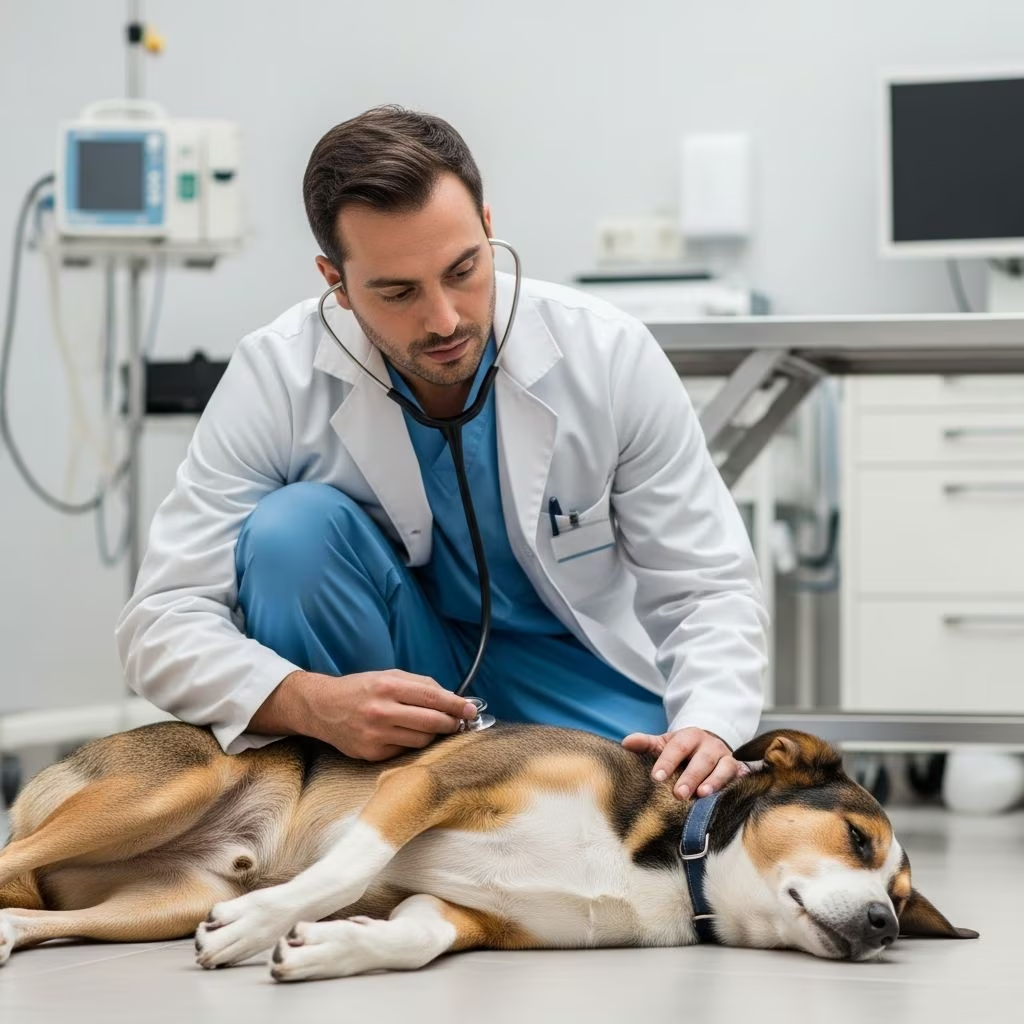
One of the most frightening moments for any pet owner is discovering their dog unresponsive and motionless. The immediate panic that follows is natural, but understanding the differences between death and unconsciousness can help you respond appropriately and potentially save your dog’s life. While both states involve a loss of consciousness, they have distinct characteristics that require different responses.
Understanding Unconsciousness in Dogs
Unconsciousness in dogs exists on a spectrum, ranging from light sleep to deep comas. The most common form of temporary unconsciousness in dogs is syncope, commonly known as fainting. Syncope is a brief loss of consciousness that typically lasts only seconds to minutes, followed by spontaneous recovery. This condition differs significantly from a prolonged coma, where the dog cannot be roused regardless of stimulation.
When a dog faints, the episode usually occurs suddenly without warning, particularly during moments of physical exertion or stress. The dog may initially appear weak or wobbly before their body goes limp and they collapse to the ground. During these episodes, dogs may involuntarily urinate or defecate, which can further alarm owners. However, the critical distinction is that recovery happens rapidly, within seconds to minutes, and the dog typically regains awareness and mobility quickly.
Causes of Canine Syncope and Loss of Consciousness
Several medical conditions can trigger unconsciousness or fainting episodes in dogs:
- Cardiac disease and heart arrhythmias
- Hypoglycemia or dangerously low blood sugar levels
- Electrolyte imbalances affecting nerve and muscle function
- Toxin ingestion or poisoning
- Severe dehydration
- Neurological disorders
Each of these conditions requires immediate veterinary evaluation, as they can worsen rapidly if left untreated.
Recognizing the Physical Signs of Death in Dogs
Unlike unconsciousness, which involves the possibility of recovery, death represents the permanent cessation of all vital functions. Recognizing the physical markers of death helps pet owners understand what they’re witnessing and respond appropriately.
Immediate Physical Changes
When a dog passes away, several physical changes occur relatively quickly. The body becomes progressively cooler as circulation stops, beginning with the extremities. The nose, ears, and paws typically feel cold to the touch, indicating that blood has ceased flowing to these areas. This cooling process is one of the most noticeable and reliable indicators that death has occurred.
The eyes may appear unfocused or develop a cloudy appearance. Muscle tension gradually decreases, causing the jaw to relax and potentially fall open. The body may feel stiff initially due to rigor mortis, which begins within hours of death.
Loss of Bodily Functions
In the moments following death, a dog loses all ability to control bodily functions. Complete loss of bladder and bowel control is common, as the muscles that normally maintain continence relax permanently. Breathing ceases entirely, and there are no gasping efforts or any respiratory movements whatsoever.
The gums may appear pale or grayish as blood drains from the tissues. Unlike a fainting episode where normal coloration returns quickly, these color changes persist because circulation has completely stopped.
Behavioral and Physiological Differences Between States
| Characteristic | Unconsciousness/Syncope | Death |
|---|---|---|
| Duration | Seconds to minutes typically | Permanent |
| Recovery | Spontaneous and rapid | None |
| Body Temperature | Warm, normal temperature | Progressively cool, especially extremities |
| Eye Response | May blink reflexively, pupils may react | No pupil response, fixed and dilated |
| Breathing | Present, may be shallow but detectable | Completely absent |
| Muscle Tone | Limp but maintains some flexibility | Becomes rigid with rigor mortis |
| Response to Stimulation | May respond to loud noises or touch | No response to any stimuli |
Checking for Vital Signs
When you discover your dog unresponsive, checking for vital signs can help determine whether your pet is alive but unconscious or has passed away. While you should seek immediate veterinary care regardless, these assessments can help you understand the situation.
Assessing Breathing
Place your hand or cheek close to your dog’s nose and mouth to detect any airflow. Watch the chest and abdomen carefully for any rise and fall movements. Even shallow or irregular breathing indicates the dog is alive. In contrast, complete absence of any respiratory movement for several minutes, combined with other signs, suggests death has occurred.
Checking for Heartbeat
You can attempt to feel for a pulse by placing your fingers on the inside of the hind leg where the femoral artery runs, or by placing your hand on the left side of the chest where the heart is located. A pulse or heartbeat, even if faint or irregular, confirms the dog is still alive. The absence of any heartbeat for several minutes, combined with lack of breathing and other physical signs, indicates death.
Pupil Response
Shine a light into your dog’s eyes and observe whether the pupils constrict. A response indicates the nervous system is still functioning. Fixed and dilated pupils that don’t respond to light suggest death has occurred, though this should not be the only indicator used.
The Final Hours: Understanding Pre-Death Stages
Dogs nearing death often progress through recognizable stages. Understanding these phases helps pet owners distinguish between terminal decline and temporary unconsciousness.
Early Warning Period (Approximately Three Months Prior)
The initial stage of decline may be subtle. Dogs begin showing less interest in activities they previously enjoyed. Appetite becomes inconsistent, and weight loss may become apparent. Some dogs become pickier about food or show reduced interest in grooming. Sleep patterns change, with increased sleeping throughout the day.
Progressive Decline (Three Weeks Before)
As death approaches more closely, changes accelerate. Muscle loss becomes more pronounced, and dogs may have difficulty standing, climbing stairs, or walking. Dehydration becomes more evident, and dogs may show signs of confusion or disorientation. Some dogs become restless and pace aimlessly, while others grow extremely clingy or withdrawn.
Final Days
In the days immediately preceding death, dogs appear distant and show minimal interest in their surroundings. Breathing may become labored, irregular, or develop a rattling sound known as the “death rattle” as the body’s systems begin to fail. The dog may stop eating and drinking entirely. Extreme weakness develops, with the dog spending most or all of their time lying down.
Final Hours (Three to Four Hours Prior)
In the last hours of life, breathing becomes increasingly shallow with long pauses between breaths. The dog loses the ability to track movement or sounds. Body temperature drops significantly, and the extremities become noticeably cold. The dog will not respond to external stimuli and may experience involuntary muscle twitching.
When to Seek Immediate Veterinary Care
Any episode of unconsciousness or apparent death requires immediate veterinary attention. Syncope and temporary unconsciousness are serious medical emergencies because they often indicate underlying conditions like cardiac disease or metabolic imbalances that require treatment.
Do not wait to see if your dog recovers on their own. Even if your dog appears to regain consciousness quickly, a veterinary examination is essential to identify and address the underlying cause. Early intervention can sometimes prevent deterioration or complications.
Frequently Asked Questions
Can a dog recover from appearing dead?
If your dog is in a coma or deep state of unconsciousness, they may appear dead but could potentially recover with veterinary intervention. However, once true death has occurred—when all vital functions have permanently ceased—recovery is impossible. This is why immediate veterinary assessment is critical.
How long can a dog remain unconscious before brain damage occurs?
Brain damage can begin within minutes of oxygen deprivation. If your dog is unconscious but has a pulse and is breathing, time is critical. Every minute without oxygen increases the risk of permanent neurological damage. Transport your dog to a veterinary clinic as quickly as possible.
Is it normal for dogs to stop eating before death?
Yes, loss of appetite is extremely common as dogs approach death. However, sudden loss of interest in food can also indicate other serious medical conditions. Any significant change in eating habits warrants veterinary evaluation.
What should I do if I find my dog unresponsive?
Immediately contact your veterinarian or emergency veterinary clinic. Do not assume your dog is dead without professional confirmation. Even if you believe your dog has died, a veterinarian can provide proper assessment and support during this difficult time.
Can I tell if my dog is breathing while they’re unconscious?
Yes. Watch for chest movement or place your hand near the nose and mouth to feel for air movement. Even very shallow breathing is a sign of life. If there is absolutely no breath detected after several minutes of observation, combined with lack of heartbeat and other physical signs, death may have occurred.
Supporting Your Dog During Their Final Days
If your veterinarian confirms that your dog is in the final stages of life, focus on comfort care. Ensure your dog has access to soft bedding and maintain a comfortable temperature, as dying dogs cannot regulate their body temperature effectively. While hearing and touch are often the last senses to fade, continue speaking softly to your dog and providing gentle physical comfort.
Consult with your veterinarian about pain management options. Even if your dog is not eating, adequate pain relief ensures they remain comfortable. Discuss quality-of-life assessments to determine whether euthanasia might be a compassionate option if suffering increases.
Conclusion
Distinguishing between death and unconsciousness in dogs requires careful observation of physical signs, vital functions, and behavioral changes. While unconsciousness may be reversible with appropriate treatment, death is permanent. When in doubt, always seek immediate veterinary care. Your veterinarian can provide accurate assessment, comfort measures, and guidance to help you navigate this difficult situation with confidence and compassion.
References
- Heartbreaking Signs a Dog Is Dying and How to Make Their Final… — Supertails. 2024. https://supertails.com/blogs/posts/signs-a-dog-is-dying
- Do Dogs Know When They Are Dying? — PetMD. 2024. https://www.petmd.com/dog/general-health/do-dogs-know-when-they-are-dying
- 25 Signs a Dog May Be Dying and How to Help — CareCredit. 2024. https://www.carecredit.com/well-u/pet-care/signs-a-dog-is-dying/
- Loss of Consciousness (syncope and coma) in Dogs — Vetster. 2024. https://vetster.com/en/symptoms/dog/loss-of-consciousness
- Syncope (Fainting) in Dogs — VCA Animal Hospitals. 2024. https://vcahospitals.com/know-your-pet/syncope-fainting-in-dogs
- Dog collapse or fainting, what are the signs, causes and treatment? — Vets Now. 2024. https://www.vets-now.com/pet-care-advice/my-dog-collapsed/



