

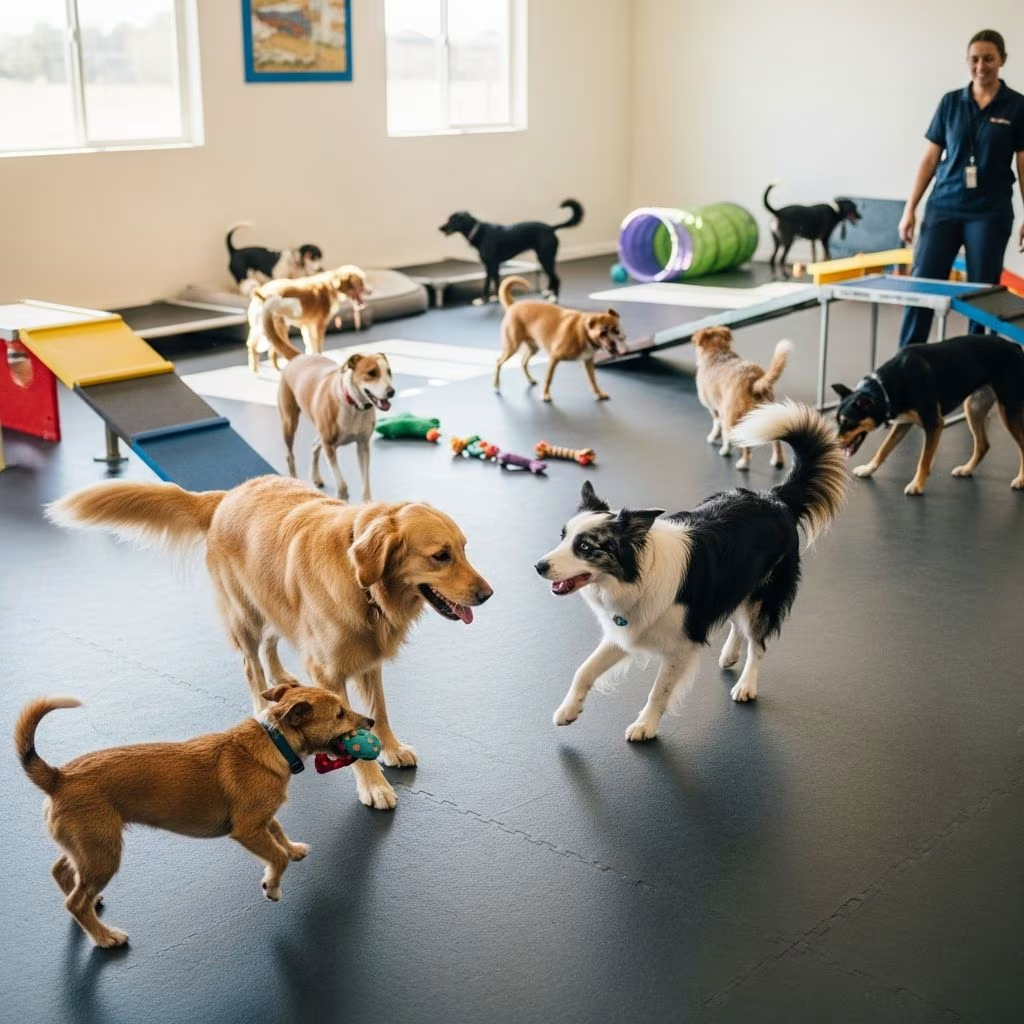
Dog Daycare: What to Know Before You Go
Dog daycare has become an increasingly popular option for pet owners looking to provide their furry companions with social interaction, exercise, and mental stimulation while they’re away at work or managing busy schedules. However, sending your dog to daycare requires more than just dropping them off at a facility. Proper preparation through behavioral training and understanding what daycare entails can make the difference between a positive experience and a stressful one for both you and your pet. This comprehensive guide will help you navigate the world of dog daycare and ensure your dog is ready for success.
Understanding Dog Daycare Benefits
Before enrolling your dog in a daycare facility, it’s important to understand the numerous benefits this service can provide. Dog daycare offers far more than simple pet supervision—it creates a structured environment where dogs can develop crucial social and behavioral skills. Modern daycare facilities combine traditional play and supervision with integrated behavioral training, creating a comprehensive development program for your canine companion.
When your dog attends a professional daycare, they have the opportunity to socialize with other dogs in a supervised setting under the guidance of trained staff members. This socialization is critical for developing appropriate play behaviors and learning how to interact respectfully with other animals. Additionally, daycare provides your dog with the chance to learn crucial obedience commands, practice new skills in real-world scenarios, burn excess energy through active play, and receive professional guidance throughout the day.
Beyond the obvious physical benefits of exercise and play, daycare provides significant mental stimulation that prevents boredom and associated destructive behaviors. Dogs benefit from the structured environment, consistent routines, and varied activities that professional daycares offer.
Pre-Daycare Training Essentials
Before your dog can succeed in a daycare environment, they need to master certain foundational skills and behaviors. Proper preparation is key to ensuring a smooth transition and positive experience.
Basic Obedience Commands
Your dog should be comfortable with fundamental obedience commands before attending daycare. These commands form the foundation that daycare staff will build upon and reinforce. Start training your dog at home using positive reinforcement techniques, such as treats and praise, to encourage compliance and make the learning process enjoyable.
Essential commands to master include:
- Sit: One of the easiest commands to teach and incredibly useful in various situations
- Stay: Helps your dog remain calm and controlled in group settings
- Come: Critical for safety and recall during exciting moments
- Down: Useful for calming an excited or overexcited dog
These foundational commands provide daycare staff with the tools they need to manage your dog effectively throughout the day and help your dog succeed in the group environment.
Socialization and Exposure
Proper socialization is vital for preparing your dog for daycare. Your dog needs exposure to other dogs, different people, various environments, and novel situations before joining a group setting. Start with controlled introductions to other dogs in neutral environments, gradually increasing the complexity of social scenarios.
Positive early socialization experiences help prevent common behavioral issues that can arise in daycare settings:
- Aggression: Regular positive interactions help dogs understand appropriate play intensity
- Fear responses: Exposure to different dogs and environments builds confidence
- Resource guarding: Learning to share space and toys with other dogs reduces conflicts
- Leash reactivity: Understanding proper greetings reduces on-leash anxiety
Impulse Control Training
Impulse control is perhaps one of the most important skills your dog can develop before daycare. This skill allows your dog to manage their excitement levels and respond appropriately in stimulating environments. Train your dog to wait patiently for meals, toys, and play opportunities. Practice the “wait” command at doorways, before fetching throws, and during exciting situations.
Dogs with strong impulse control are able to:
- Control their excitement during greetings with other dogs
- Take breaks when play becomes too intense
- Share resources without conflict
- Respond to handlers despite distractions
Evaluating Dog Daycare Facilities
Not all dog daycare facilities are created equal. Choosing the right daycare is crucial for your dog’s safety, well-being, and behavioral development. Understanding what to look for in a quality facility will help you make an informed decision.
Staff Qualifications and Training
The quality of a daycare facility largely depends on the competence and training of its staff. Look for facilities where staff members have formal training in dog behavior, body language recognition, and positive reinforcement techniques. Ideally, the facility should employ or have available a certified dog trainer or certified dog behavior specialist who oversees staff education and training programs.
Staff members should be able to:
- Recognize and interpret canine body language accurately
- Understand different play styles and energy levels
- Identify and interrupt rough or inappropriate play
- Manage group dynamics safely and effectively
- Communicate clearly about your dog’s progress and behaviors
Facility Philosophy and Training Methods
It’s essential that any daycare facility you choose employs only positive reinforcement and force-free training tactics. Ask specific questions about their training philosophy and methods. Find out exactly how they praise dogs, what behaviors they reward, and how they address unwanted behaviors. Staff should be able to explain their reinforcement and disciplinary policies based on the latest scientific studies of animal behavior and cognition.
Facilities that use outdated or aversive training methods can actually cause harm to your dog both physically and emotionally. Modern, science-based approaches are essential for your dog’s well-being.
Play Management and Safety Protocols
Quality daycare facilities have clear, written guidelines for what constitutes appropriate play and what behaviors will result in a dog being removed from the group. Staff should understand the difference between healthy play and rough or dangerous interactions. Healthy play typically involves role reversal, where dogs take turns chasing each other, bowing at each other, and frequently shifting between different activities like chasing, sniffing, and play bows.
Ask about the facility’s temperament testing process and how they determine which dogs are a good fit for their groups. Facilities should have systematic processes to evaluate potential dogs and identify which temperaments and play styles tend to do poorly in their specific daycare setting.
What to Expect at Daycare
Daily Structure and Activities
Professional daycare facilities typically follow a structured daily schedule that balances active play with rest periods and training sessions. A well-designed daycare day might include morning arrival and greeting routines, group play sessions, individual training time, meal breaks, rest periods, and afternoon activities. This balanced approach prevents overstimulation and burnout that can occur in less structured settings.
Behavioral Training Integration
Many quality daycares now integrate behavioral training seamlessly into daily activities, going beyond mere supervision and play. This transformative approach can significantly enhance the quality of care and your dog’s overall development. Training sessions might include:
- Themed training sessions addressing common behavioral issues like jumping, excessive barking, or leash pulling
- Group activities that naturally encourage good behavior and teach impulse control
- Customized training plans addressing specific behavioral goals for regular clients
- Practice of commands during play sessions, creating natural learning opportunities
Reinforcement Throughout the Day
In quality daycare settings, dogs receive continuous reinforcement for good behavior throughout the day. Rather than isolated training sessions, staff consistently reward desired behaviors during regular interactions. Key reinforcement opportunities include greeting staff and other dogs calmly, waiting patiently for treats or toys, following basic commands during group activities, sharing resources appropriately, and responding to their name in group settings.
| Behavior | Reinforcement Method | Benefit |
|---|---|---|
| Calm greetings | Verbal praise and affection | Reduces jumping and excited behaviors |
| Patient waiting | High-value treats | Builds impulse control |
| Command compliance | Extra playtime with favorite toys | Strengthens obedience skills |
| Resource sharing | Special privileges or staff attention | Reduces resource guarding |
| Good group manners | Group play sessions as rewards | Reinforces social skills |
Preparing Your Dog for the First Day
Pre-Daycare Checklist
Before your dog’s first day at daycare, ensure they are fully prepared:
- Complete all recommended vaccinations and health screenings
- Have identification tags and microchip information current
- Practice all basic obedience commands regularly
- Expose your dog to various social situations with other dogs
- Visit the facility in advance so your dog becomes familiar with the environment
- Discuss any behavioral concerns or special needs with staff
- Provide detailed information about your dog’s medical history, diet, and preferences
- Pack any comfort items if the facility allows them
Managing Separation Anxiety
Some dogs experience anxiety when separated from their owners. If your dog shows signs of separation anxiety, start preparing weeks in advance. Practice leaving your dog for short periods at a friend’s or family member’s home, gradually increasing the duration. Consider crate training if your dog isn’t already accustomed to being in one, as many daycares use crates during rest periods.
First Day Success Tips
Arrive at daycare early on the first day to allow your dog time to acclimate to the environment before other dogs arrive. Keep your goodbye brief and positive—extended farewells can increase anxiety. Trust the staff’s expertise and follow their recommendations for pickup times and frequency of daycare attendance as your dog adjusts.
Red Flags and Concerns
Warning Signs in a Daycare Facility
Be cautious if a daycare facility exhibits these warning signs:
- Staff cannot articulate their training philosophy or methods
- No written guidelines for behavior management or play rules
- Use of aversive or punishment-based training techniques
- Lack of supervision during play sessions
- No temperament testing process for new dogs
- Staff members unfamiliar with canine body language
- Poor communication about your dog’s daily activities and behavior
- Unwillingness to answer questions about their practices
Monitoring Your Dog’s Well-Being
After daycare sessions, watch for positive signs like contentment, improved socialization skills, and increased confidence. Conversely, be alert for signs of stress or negative experiences, such as excessive panting, pacing, destructive behavior, or stress-related barking when returning from daycare. Research shows that dogs in structured environments display fewer anxiety-related behaviors, so improvement is a good sign that the facility is appropriate for your dog.
Frequently Asked Questions About Dog Daycare
Q: At what age can my dog start daycare?
A: Most facilities require dogs to be at least 12 weeks old and have completed their initial vaccinations. However, check with your chosen facility for their specific age requirements.
Q: How often should my dog attend daycare?
A: This depends on your dog’s age, energy level, and behavioral needs. Some dogs benefit from daily attendance, while others do well with 2-3 days per week. Discuss this with daycare staff based on your individual dog’s needs.
Q: Will daycare training replace home training?
A: No. Daycare training should complement your at-home training efforts. Consistency between daycare and home is essential for lasting behavioral development. Communicate regularly with daycare staff about training goals.
Q: Can daycare help with behavioral problems?
A: Quality daycares can help with many behavioral issues through socialization, training, and positive reinforcement. However, severe behavioral problems may require professional one-on-one training with a certified dog trainer in addition to daycare.
Q: How much does dog daycare cost?
A: Costs vary by location and facility quality, but typical daycare ranges from $25-60 per day. Premium facilities with extensive training programs may charge more. Many facilities offer package deals for regular attendance.
Q: What should I bring for my dog’s first day?
A: Typically, bring your dog’s food (if they prefer their own), any medications, and identification information. Ask the facility what else they require or recommend before the first day.
References
- Integrating Behavioral Training into Doggy Daycare — Gingr. 2024. https://www.gingrapp.com/blog/integrating-behavioral-training-into-doggy-daycare
- Dog Day Care & Training – Benefits of Play and Learning — Top Dog Training and Resort. 2024. https://topdogtrainingandresort.com/why-combine-dog-day-care-with-training-the-benefits-of-balanced-play-and-learning/
- Dog Daycare Best Practices — Zen Dog Training. 2024. https://zendogtraining.net/dog-day-care-best-practices/
- Doggy Daycare – A How-To Guide — Positively.com. 2024. https://positively.com/dog-training/post/dog-care-doggy-daycare-a-how-to-guide



