

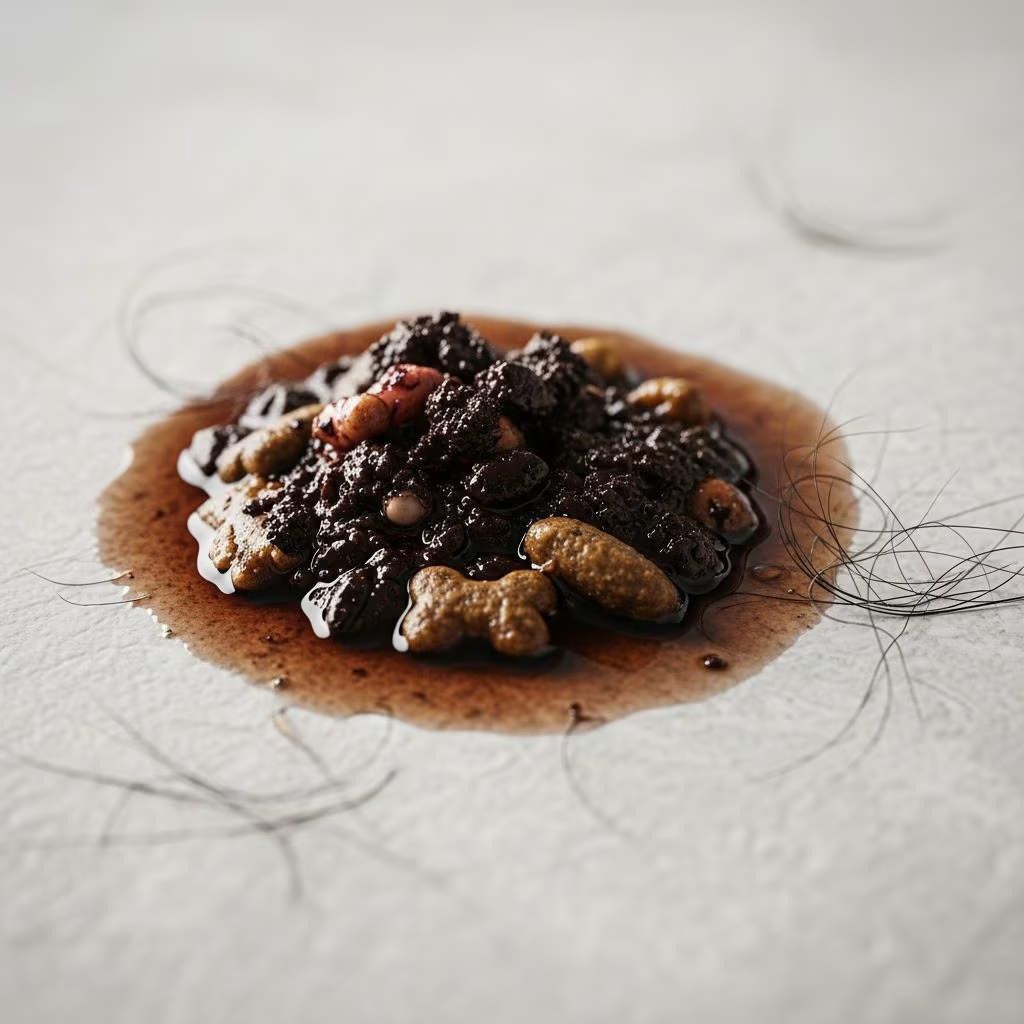
Understanding Dark Brown Dog Vomit: A Comprehensive Guide
Discovering your dog is vomiting can be alarming, especially when the vomit appears dark brown or resembles coffee grounds. While some causes of dark brown vomit are relatively benign, others require immediate veterinary attention. Understanding what this discoloration might indicate is crucial for ensuring your dog receives timely and appropriate care. Dark brown vomit in dogs can stem from various sources, ranging from what your dog ate to potentially serious gastrointestinal conditions.
What Dark Brown Vomit Means
Dark brown vomit in dogs warrants careful observation and consideration. The appearance of your dog’s vomit can provide valuable clues about their health status. Unlike bright red vomit, which typically indicates fresh bleeding, dark brown or black vomit often suggests digested blood. This occurs when blood has spent time in the stomach and undergoes oxidation, creating the characteristic dark, granular appearance that resembles used coffee grounds.
The “coffee grounds” appearance is particularly significant because it indicates that blood has been present in the digestive tract long enough to be partially digested. This type of vomit is often called hematemesis when it contains blood, and it can indicate various underlying conditions ranging from minor to severe.
Common Causes of Dark Brown Vomit
Digested Food and Kibble
One of the most straightforward explanations for dark brown vomit is simply regurgitated dog food. If your dog’s regular kibble is dark brown in color, the vomit might simply be undigested or partially digested food from the esophagus or stomach. This is particularly common if your dog vomited shortly after eating or if they consumed their meal too quickly. In these cases, the vomit may appear dark brown simply because of the food’s original color rather than indicating any serious health concern.
Fecal Matter Consumption
Coprophagia, or the consumption of feces, is more common in dogs than many pet owners realize. When dogs eat feces—whether their own or from other animals—they may vomit brown material. This behavior can occur for various reasons, including nutritional deficiencies, behavioral issues, or curiosity. While unpleasant, occasional vomiting from this cause is usually not an emergency, though it warrants addressing the underlying behavior and ensuring your dog’s diet is nutritionally complete.
Digested Blood
The most concerning cause of dark brown vomit is digested blood from internal bleeding. When blood enters the digestive tract and spends time in the stomach, it becomes oxidized and appears dark brown or black. This appearance is distinct from bright red vomit, which indicates fresh bleeding. The granular, coffee-ground-like texture is a hallmark sign of digested blood and requires veterinary evaluation.
Chocolate Ingestion
Dogs that have consumed chocolate may vomit brown liquid or material. Chocolate toxicity in dogs is dose-dependent, with darker chocolates being more dangerous than milk chocolate. If you know your dog has eaten chocolate, it’s important to contact your veterinarian or an emergency vet clinic, as chocolate contains theobromine, which is toxic to dogs.
Ingestion of Foreign Objects
When dogs swallow foreign objects—such as toys, fabric, bones, or sticks—these can cause intestinal blockages or internal injuries. Such blockages may lead to vomiting, including dark brown vomit if internal bleeding occurs. Foreign object ingestion is a medical emergency requiring immediate veterinary intervention.
Serious Conditions Associated with Dark Brown Vomit
Stomach Ulcers
Gastric ulcers can develop in dogs due to various causes, including stress, certain medications, or underlying diseases. When ulcers bleed, the blood enters the stomach and becomes partially digested, resulting in dark brown or black vomit. Stomach ulcers require veterinary diagnosis and treatment to prevent complications.
Intestinal Blockages
Partial or complete intestinal blockages can cause dark brown vomit, particularly if the blockage causes internal bleeding or ulceration. Blockages represent a surgical emergency in many cases and require immediate veterinary attention. Symptoms include persistent vomiting, abdominal pain, lethargy, and loss of appetite.
Hemorrhagic Gastroenteritis
Hemorrhagic gastroenteritis (HGE) is a condition characterized by sudden, severe inflammation of the stomach and intestines, often resulting in bloody vomit and bloody diarrhea. This condition can develop rapidly and requires prompt veterinary treatment to prevent shock and dehydration.
Internal Bleeding and Tumors
Various conditions can cause internal bleeding in dogs, including tumors, bleeding disorders, poisoning, and trauma. Rodent poison, for example, can cause internal bleeding that manifests as dark brown or black vomit. Cancer and other tumors can also lead to bleeding in the gastrointestinal tract.
Poisoning
Certain toxins and poisons can cause dark brown or black vomit in dogs. Rodent poison is a common culprit, as are other toxic substances. If you suspect your dog has ingested poison, seek emergency veterinary care immediately.
Viral and Bacterial Infections
Serious infections such as parvovirus can cause vomiting, including vomit with blood. These infections typically present with additional symptoms like diarrhea, fever, and lethargy. Tick-borne diseases and other bacterial infections can similarly result in vomiting with blood.
Pancreatitis
Inflammation of the pancreas can cause vomiting and other gastrointestinal symptoms. In severe cases, pancreatitis can lead to internal bleeding and dark-colored vomit.
Addison’s Disease
This endocrine disorder affects the adrenal glands and can manifest with vomiting, including vomit containing blood. Addison’s disease requires ongoing management and veterinary care.
Other Serious Conditions
Additional conditions that can cause dark brown vomit include kidney disease, liver disease, inflammatory bowel disease, blood clotting disorders, and gastritis. Each of these conditions requires professional veterinary diagnosis and treatment.
When to Seek Immediate Veterinary Care
Dark brown vomit that resembles coffee grounds is often considered a medical emergency. You should seek immediate veterinary attention if your dog experiences any of the following:
– Dark brown or black vomit resembling coffee grounds- Bright red vomit or vomit with fresh blood- Repeated episodes of vomiting- Vomiting accompanied by diarrhea, especially bloody diarrhea- Signs of abdominal pain or distress- Lethargy or decreased energy levels- Loss of appetite- Signs of dehydration, including sticky gums or sunken eyes- A distended or bloated abdomen- Collapse or disorientation- Fever or other signs of illness
If you notice any blood in your dog’s vomit, it’s best to err on the side of caution and contact your veterinarian. They can determine whether the situation requires immediate emergency care or can be managed during regular office hours.
Diagnostic Process
When you bring your dog to the veterinarian with dark brown vomit, they will perform a comprehensive physical examination and may recommend various diagnostic tests. These might include blood work to assess organ function and check for clotting disorders, fecal analysis to rule out parasites, imaging such as X-rays or ultrasound to look for blockages or other abnormalities, and possibly endoscopy to visualize the upper gastrointestinal tract.
Your veterinarian will also ask detailed questions about your dog’s recent behavior, diet, potential exposures to toxins, and the frequency and duration of vomiting episodes. This information helps narrow down the possible causes and guides the diagnostic approach.
Treatment Options
Treatment for dark brown vomit depends entirely on the underlying cause. If the vomiting is due to something benign like regurgitated food, monitoring at home may be sufficient. However, if dark brown vomit is caused by serious conditions like internal bleeding, ulcers, or blockages, immediate intervention is necessary.
Treatment may include medications to reduce stomach acid, antibiotics for infections, IV fluids for dehydration, blood transfusions if severe bleeding has occurred, or surgery for intestinal blockages or other structural problems. Your veterinarian will develop a treatment plan specific to your dog’s diagnosis and condition severity.
Prevention Strategies
While not all causes of dark brown vomit can be prevented, several strategies can reduce your dog’s risk:
– Feed high-quality, nutritionally balanced dog food appropriate for your dog’s age and health status- Avoid sudden diet changes; transition to new foods gradually over 7-10 days- Keep toxic substances, including chocolate, rodent poison, and certain medications, out of reach- Supervise your dog to prevent ingestion of foreign objects- Maintain regular veterinary check-ups and keep vaccinations current- Address behavioral issues like coprophagia through training or environmental management- Avoid giving your dog table scraps or foods that may upset their stomach- Ensure your dog has access to fresh water at all times- Be cautious with medications and follow your veterinarian’s dosing instructions carefully
Home Care Considerations
If your dog is vomiting but not showing signs of a medical emergency, you can help manage the situation at home while awaiting veterinary care. Withhold food for 6-12 hours to allow the stomach to settle, then offer small amounts of bland food like boiled chicken and rice. Provide water in small, frequent amounts to prevent dehydration. Monitor your dog closely for worsening symptoms, and contact your veterinarian if vomiting continues or if your dog develops additional concerning symptoms.
Understanding Your Dog’s Vomit: A Color Guide
| Vomit Color | Possible Causes | Urgency Level |
|---|---|---|
| Dark Brown/Coffee Grounds | Digested blood, ulcers, blockages, internal bleeding | Emergency |
| Bright Red | Fresh bleeding, ulcers, trauma, clotting issues | Emergency |
| Yellow/Green | Bile, empty stomach, acid reflux, grass ingestion | Monitor, contact vet if persistent |
| Light Brown | Regurgitated food, chocolate, fecal matter | Contact vet for evaluation |
| White/Foamy | Acid reflux, empty stomach, bloat (GDV) | Contact vet if bloating or persistent |
Frequently Asked Questions
Q: Is dark brown dog vomit always an emergency?
A: Dark brown vomit that resembles coffee grounds typically indicates digested blood and should be treated as a medical emergency. Contact your veterinarian or emergency vet clinic immediately. However, light brown vomit from regurgitated food may be less urgent, though veterinary evaluation is still recommended.
Q: Can dark brown vomit mean my dog ate chocolate?
A: Yes, chocolate ingestion can cause brown vomit or diarrhea. If you know your dog ate chocolate, contact your vet immediately, as chocolate is toxic to dogs. The severity depends on the type and amount of chocolate consumed.
Q: What should I do if my dog vomits dark brown liquid once?
A: Even a single episode of dark brown vomit warrants veterinary attention. Contact your vet and describe the vomit’s appearance, frequency, and any other symptoms. They may recommend an examination to rule out serious conditions.
Q: Can stress cause dark brown vomiting in dogs?
A: While stress can contribute to vomiting in general, dark brown vomit typically indicates something more specific like digested blood or a food-related issue. If stress-related vomiting occurs, it usually produces yellow or green bile rather than dark brown material.
Q: How can I tell if the dark brown vomit contains blood?
A: Use white paper towels or light-colored cloth to clean up the vomit. If blood is present, it will appear as reddish or dark specs against the white material. The coffee-ground appearance is characteristic of digested blood.
Q: Is dark brown vomit more serious than other vomit colors?
A: Dark brown or black vomit resembling coffee grounds is generally considered more serious than other colors because it often indicates internal bleeding. This requires prompt veterinary evaluation and potential emergency care.
Q: Can intestinal parasites cause dark brown vomit?
A: While parasites can cause vomiting, they typically produce yellow, green, or light brown vomit rather than dark brown. However, parasites should still be ruled out through veterinary examination and testing.
Q: What tests might my vet perform if my dog has dark brown vomit?
A: Your veterinarian may recommend blood work, fecal analysis, abdominal X-rays, ultrasound, or endoscopy. These tests help identify the underlying cause of vomiting and guide appropriate treatment.
References
- Dog Throwing Up Blood: Signs, Causes, Diagnosis, Treatment — The Farmer’s Dog. 2024. https://www.thefarmersdog.com/digest/dog-throwing-up-blood/
- Vomiting in Dogs – When to Head to The Vet — Pacific Santa Cruz Veterinary Hospital. 2024-05-15. https://www.pacificsantacruzvet.com/site/blog/2024/05/15/dog-vomiting
- Vomiting in Dogs — PDSA (People’s Dispensary for Sick Animals). 2024. https://www.pdsa.org.uk/pet-help-and-advice/pet-health-hub/symptoms/vomiting-in-dogs
- Vomiting in Dogs — PetMD. 2024. https://www.petmd.com/dog/symptoms/vomiting-in-dogs
- Vomiting Handbook for Dog Owners — Marcy Veterinary Clinic. 2024. https://marcyvetclinic.com/vomiting-handbook-for-dog-owners/
- A Guide to Dog Vomit Colors and Causes — Cola’s Kitchen. 2024. https://colaskitchen.com/blog-posts/guide-to-dog-vomit-colors-and-causes
- Types of Dog Vomit & What It Means — Willow Glen Pet Hospital. 2024. https://willowglenpethospital.com/types-of-dog-vomit-amp-what-it-means/



