

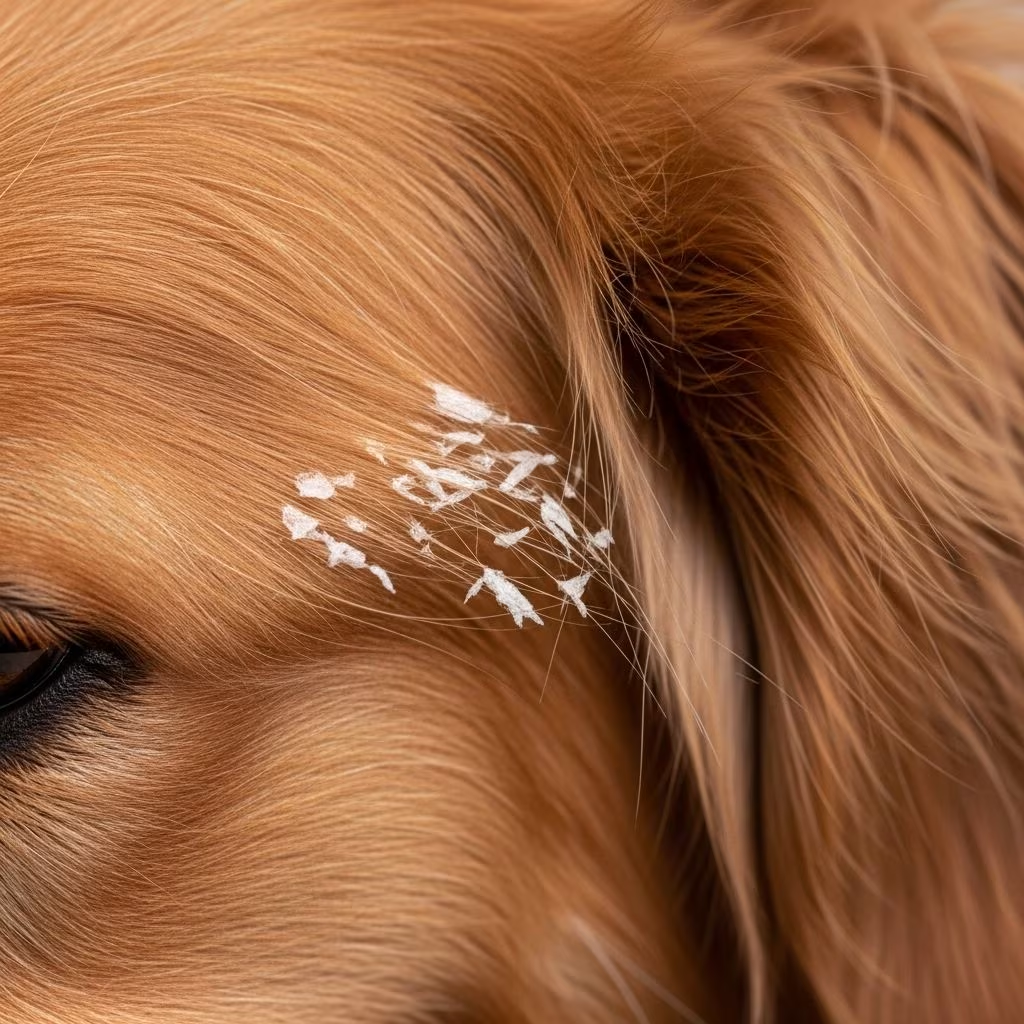
Dog dandruff manifests as white or gray flakes on a pet’s coat, often signaling underlying skin issues that require attention. This condition affects dogs of all breeds and ages, stemming from imbalances in skin oil production or external factors disrupting dermal health.
Understanding Canine Skin Physiology
A dog’s skin relies on sebaceous glands to secrete sebum, an oily substance that maintains hydration and flexibility, much like in humans. When these glands overproduce sebum, it leads to oily dandruff known as seborrhea oleosa; underproduction causes dry flakes called seborrhea sicca.
Healthy skin undergoes regular cell turnover, shedding dead cells invisibly. Disruptions accelerate this process, resulting in visible flakes. Factors influencing this include genetics, diet, and environment, making proactive care essential.
Primary Indicators of Dandruff in Dogs
Owners often spot loose white flakes on the dog’s back, tail base, or bedding. Accompanying signs include excessive scratching, redness, unusual odor, or greasy fur. In severe cases, hair loss or thickened skin appears.
- Visible flakes resembling snow on the coat
- Intense itching leading to self-trauma
- Oily or dry patches on the skin
- Recurrent infections in ears or paws
- Lethargy if linked to systemic illness
Distinguish dandruff from dirt by parting the fur; true flakes move freely and accumulate over time.
Common Triggers Behind Flaky Canine Skin
Dandruff arises from multiple sources, categorized into environmental, dietary, parasitic, allergic, infectious, and medical causes. Identifying the root is key to resolution.
Environmental Influences
Low humidity, especially in winter or arid regions, desiccates skin by stripping natural moisture. Over-bathing with harsh soaps exacerbates this, removing protective oils.
Nutritional Shortfalls
Diets deficient in omega-3 and omega-6 fatty acids, zinc, or vitamins A and E compromise skin integrity. Poor-quality foods fail to support epidermal renewal.
Parasitic Infestations
Cheyletiella mites, dubbed “walking dandruff,” are visible as moving flakes and cause intense pruritus. Fleas, ticks, and demodex mites also provoke flakiness through irritation.
Allergic Responses
Atopy from pollen, dust, or molds, and food sensitivities to proteins like beef or grains, inflame skin, leading to secondary flaking. Seasonal patterns often hint at environmental triggers.
Infectious Agents
Bacterial overgrowth (staph) and yeast (Malassezia) thrive on compromised barriers, producing greasy scales. Fungal issues like ringworm add to the problem.
Genetic and Hormonal Factors
Breeds like Cocker Spaniels, Basset Hounds, West Highland White Terriers, and English Springer Spaniels inherit primary seborrhea. Endocrine disorders—hypothyroidism, Cushing’s, diabetes—alter sebum production.
| Cause Category | Examples | Affected Breeds | Key Symptoms |
|---|---|---|---|
| Environmental | Low humidity, over-bathing | All breeds | Dry flakes, no odor |
| Parasitic | Cheyletiella mites, fleas | All breeds | Moving flakes, itching |
| Allergic | Food, pollen | Any | Itchy, seasonal flares |
| Infectious | Bacterial, yeast | All breeds | Greasy scales, odor |
| Genetic/Medical | Seborrhea, hypothyroidism | Cocker Spaniel, Basset | Chronic flakes, hair loss |
Diagnostic Steps for Accurate Identification
Veterinarians start with a physical exam, skin scrapings for parasites, cytology for infections, and allergy testing. Bloodwork rules out hormonal imbalances; biopsies confirm genetics.
Owners can aid by noting onset, diet changes, or seasonal patterns. Early diagnosis prevents complications like pyoderma.
Effective Management Strategies
Treatment targets the cause while soothing symptoms. Consistency yields best results.
Grooming Routines
Weekly brushing distributes oils and removes debris. Use curry combs for short coats, slickers for long ones.
Bathing Protocols
Opt for moisturizing shampoos with oatmeal or aloe every 1-2 weeks. Medicated options containing benzoyl peroxide, sulfur, or chlorhexidine combat infections.
- Frequency: Avoid daily baths to preserve oils
- Products: Vet-recommended anti-seborrheic formulas
- Technique: Lather 10 minutes, rinse thoroughly
Dietary Adjustments
Switch to omega-rich foods or add fish oil supplements (1000mg EPA/DHA daily for large dogs). Hydrolyzed protein diets manage allergies.
Parasite Prevention
Monthly topicals or orals like fipronil or isoxazolines eradicate mites and fleas. Environment cleaning prevents reinfestation.
Medical Interventions
Antibiotics or antifungals for infections; antihistamines or steroids for allergies; hormone therapy for endocrinopathies.
Preventive Measures for Long-Term Skin Wellness
Maintain 40-60% indoor humidity with humidifiers. Feed AAFCO-approved premium kibble. Regular vet check-ups catch issues early.
- Humidify dry environments
- Parasite preventives year-round
- Balanced nutrition with fatty acids
- Groom weekly
- Monitor for early flakes
When to Seek Professional Veterinary Care
Consult a vet if flakes persist post-home care, or if accompanied by lethargy, appetite loss, or open sores. Delaying risks chronic issues.
Frequently Asked Questions
Is dog dandruff contagious?
Most cases aren’t, but Cheyletiella mites spread to other pets or humans temporarily.
Can I use human dandruff shampoo on my dog?
No—pH differences irritate canine skin. Stick to pet-specific products.
How long until treatments work?
Improvement in 2-4 weeks; full resolution may take months for chronic cases.
Does breed affect dandruff risk?
Yes, terriers and spaniels are prone due to genetics.
Can diet alone fix dandruff?
It helps mild cases but not infections or allergies—vet input needed.
Holistic Approaches to Support Skin Health
Probiotics restore gut-skin axis balance. Coconut oil topicals moisturize mildly. Always vet-approve additions.
References
- Dandruff in Dogs: Causes & Treatment — Rivergate Veterinary Clinic. 2023-08-15. https://www.rivergateveterinaryclinic.com/site/blog/2023/08/15/dandruff-dog
- Dandruff in Dogs: Causes & Treatment — East Orlando Animal Hospital. 2023-08-15. https://www.eoah.com/site/blog/2023/08/15/dandruff-dog
- Dandruff in Dogs: Causes & Treatment — Pets on Broadway. 2024-07-15. https://www.petsonbroadway.net/site/blog/2024/07/15/dandruff-dog
- How To Get Rid Of Dandruff in Dogs: Causes & Treatment — VRA Vet. 2023-01-15. https://www.vravet.com/site/blog/2023/01/15/how-to-get-rid-of-dandruff-in-dogs-causes–treatment
- Dog Dandruff: Causes & Tips to Treat It — Purina US. N/A. https://www.purina.com/articles/dog/health/skin-fur-ears/dog-dandruff
- Dandruff in Dogs — PetMD. N/A. https://www.petmd.com/dog/symptoms/dandruff-dogs



