

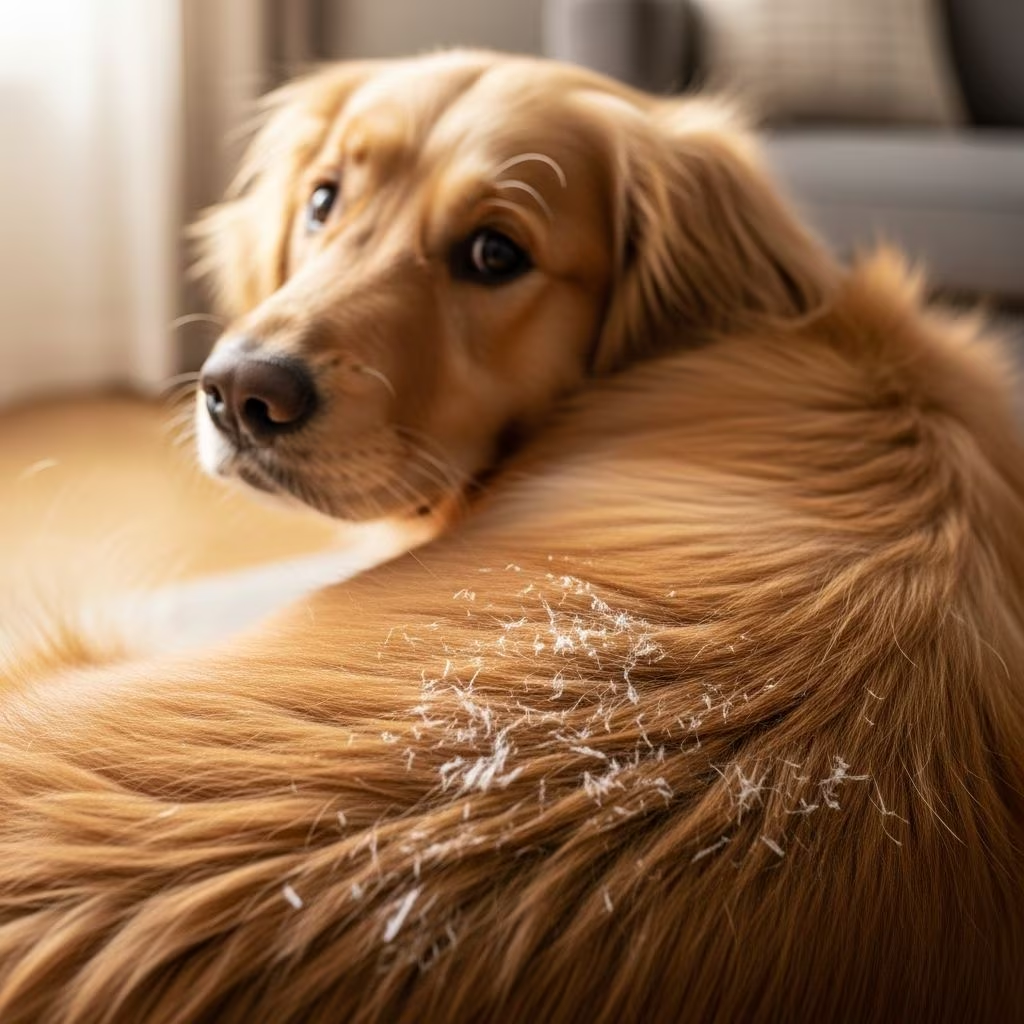
Dog dandruff manifests as visible white or gray flakes on a pet’s coat, often signaling underlying skin imbalances. This condition affects dogs of all breeds and ages, stemming from issues like excessive sebum production or dryness, and requires targeted care to restore comfort and coat quality.
Understanding the Nature of Canine Skin Flakes
A dog’s skin naturally sheds dead cells, but dandruff occurs when this process accelerates due to disrupted sebaceous glands. These glands secrete sebum, an oil that maintains hydration; overproduction leads to oily flakes (seborrhea oleosa), while underproduction causes dry flakes (seborrhea sicca).
Owners might first notice flakes along the back, tail base, or belly. Mild cases cause cosmetic concerns, but severe ones bring itchiness, odor, and secondary infections, impacting a dog’s well-being.
Primary Triggers Behind Flaky Canine Skin
Several factors contribute to dandruff, ranging from everyday environmental influences to deeper health problems. Identifying the trigger is key to effective management.
Environmental Influences on Skin Moisture
Low humidity, especially in winter from indoor heating, dries out a dog’s skin by stripping natural moisture. Dry climates exacerbate this, leading to flaky buildup.
- Use a humidifier to maintain 40-60% indoor humidity.
- Avoid over-bathing, which removes protective oils.
Nutritional Shortfalls and Diet Impact
Diets deficient in omega-3 fatty acids, zinc, and vitamins A, E weaken skin barrier function, promoting flakiness. Processed foods often lack these essentials.
Switch to high-quality kibble or fresh foods enriched with fish oils for noticeable improvements in weeks.
Allergic Responses in Dogs
Allergies to pollen, dust mites, food proteins, or fleas provoke inflammation, resulting in dry, itchy skin and dandruff. Seasonal patterns or concurrent ear infections hint at this cause.
| Allergen Type | Common Signs | Management Approach |
|---|---|---|
| Environmental | Seasonal itching, paw licking | Antihistamines, air filters |
| Food | Year-round flakes, GI upset | Hypoallergenic trials |
| Flea-related | Hot spots, hair loss | Topical preventives |
Parasitic Invaders Mimicking Flakes
Cheyletiella mites, dubbed “walking dandruff,” are visible, moving specks that infest fur, causing intense irritation. Fleas, ticks, and demodex mites also disrupt skin health.
Regular vet checks and monthly preventives eliminate these threats promptly.
Medical Conditions and Hormonal Imbalances
Hypothyroidism slows metabolism, drying skin; Cushing’s disease boosts oil production; diabetes impairs healing. Genetic predispositions affect breeds like Cocker Spaniels and Basset Hounds.
Blood tests diagnose these; treatments include hormone therapy or medications.
Infections Compromising Skin Integrity
Bacterial overgrowth or yeast (Malassezia) thrives on compromised skin, producing greasy dandruff and odor. Post-injury or allergy sites are vulnerable.
Spotting When Dandruff Signals a Vet Visit
Isolated flakes may self-resolve, but combined symptoms demand professional evaluation:
- Persistent scratching or chewing
- Redness, scabs, or bald patches
- Foul smell from skin
- Lethargy or appetite loss
- Moving flakes indicating mites
Early intervention prevents escalation to chronic seborrhea.
Proven Strategies to Combat and Eliminate Dandruff
Optimizing Grooming Routines
Daily brushing with a soft curry comb removes flakes and redistributes oils. Follow breed-specific tools: slickers for long coats, rubber for short.
Bathe every 4-6 weeks using moisturizing or medicated shampoos (e.g., oatmeal, coal tar). Vet-prescribed antifungals target infections.
Dietary Enhancements for Skin Vitality
Incorporate omega supplements: 20-55 mg EPA/DHA per pound body weight daily. Add fish oil or flaxseed to meals after vet approval.
Environmental Adjustments for Comfort
Humidifiers counter dry air; omega-enriched wipes soothe between baths. Flea combs detect parasites early.
Advanced Treatments from Veterinary Experts
For stubborn cases:
- Topical sprays with chlorhexidine
- Oral antibiotics or antifungals
- Allergy testing and immunotherapy
- Hormone panels and replacements
Long-Term Prevention: Building Resilient Skin
Prevent recurrence through holistic care:
- Consistent parasite control year-round
- Balanced, AAFCO-approved diet
- Weekly brushing sessions
- Annual wellness exams for early detection
- Humidified living spaces in dry seasons
Monitor coat changes monthly; log photos for trends.
Frequently Asked Questions About Dog Dandruff
Is dog dandruff contagious?
No, but mites like Cheyletiella can spread to other pets or humans temporarily.
Can I use human shampoo on my dog?
Avoid; pH differences irritate canine skin, worsening flakes.
How long until treatments work?
Improvements in 2-4 weeks; full resolution may take months for chronic issues.
Does breed matter for dandruff risk?
Yes, oily-coated breeds like Spaniels are prone due to genetics.
Are home remedies safe?
Oatmeal baths or diluted apple cider vinegar rinses help mildly, but consult vets first.
Case Insights: Real-World Dandruff Resolutions
Consider a Cocker Spaniel with seasonal flakes: vet diagnosed food allergy, switched to novel protein diet plus omega supplements—cleared in six weeks. Another case involved winter dryness in a Labrador; humidifier and brushing resolved it without meds.
These examples underscore tailored approaches yield best outcomes.
References
- Dandruff in Dogs: Causes & Treatment — Rancho Village Vet. 2023-07-15. https://www.ranchovillagevet.com/site/blog/2023/07/15/dandruff-dogs–causes-treatment
- Dandruff in Dogs: Causes & Treatment — Pets on Broadway. 2024-07-15. https://www.petsonbroadway.net/site/blog/2024/07/15/dandruff-dog
- Doggie Dandruff: Causes, Signs & Treatments — Diamond Bar Vet Clinic. 2023-01-26. https://www.diamondbarvetclinic.com/site/blog/2023/01/26/doggie-dandruff-causes-signs-treatments
- How To Get Rid Of Dandruff in Dogs: Causes & Treatment — VRA Vet. 2023-01-15. https://www.vravet.com/site/blog/2023/01/15/how-to-get-rid-of-dandruff-in-dogs-causes–treatment
- Dog Dandruff: Causes & Tips to Treat It — Purina. N/A. https://www.purina.com/articles/dog/health/skin-fur-ears/dog-dandruff
- Dandruff in Dogs: Causes & Treatment — Turlock Vet. 2023-12-15. https://www.turlockvet.com/site/blog/2023/12/15/dandruff-dogs
- Dandruff in Dogs — PetMD. N/A. https://www.petmd.com/dog/symptoms/dandruff-dogs



