

Understanding Dog Dandruff: A Complete Guide
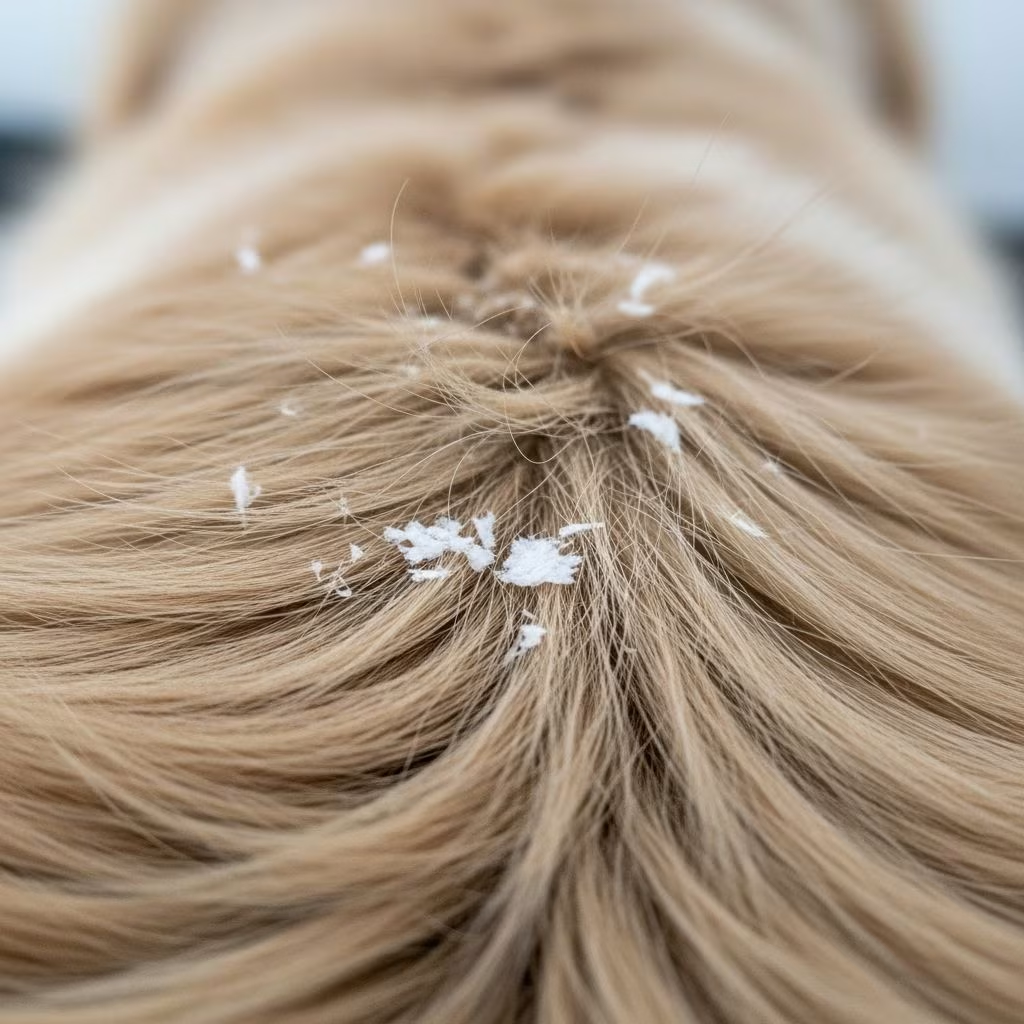
Dog dandruff is a common skin condition that affects dogs of all breeds and ages. Just like humans, dogs can develop flaky, dry skin that appears as small white or gray particles in their coat. This condition not only affects your dog’s appearance but can also cause discomfort, itching, and irritation. Understanding the causes of dog dandruff and how to treat it effectively is essential for maintaining your pet’s skin health and overall well-being.
What Is Dog Dandruff?
Dandruff in dogs is a sign of an irregularity with your pet’s skin and can cause dryness, itching, and irritation. The condition is related to the sebaceous glands, which produce skin oils essential for maintaining healthy skin. When these glands become imbalanced, they can trigger dandruff development. Dogs can experience two different types of dandruff based on sebaceous gland function.
Seborrhea oleosa (oily seborrhea) occurs when the sebaceous glands produce too much oil, leading to an imbalance that results in small, white flakes of skin. Seborrhea sicca (dry seborrhea) develops when these glands produce too little oil, causing the dog’s skin to become dry and potentially develop an odor. Understanding which type your dog has is crucial for determining the appropriate treatment approach.
Common Causes of Dog Dandruff
Dog dandruff can stem from numerous factors, ranging from environmental conditions to underlying health issues. Identifying the root cause is the first step toward effective treatment and management.
Poor Nutrition and Vitamin Deficiencies
Nutrition plays a crucial role in your dog’s overall health, including skin condition. Vitamins, especially vitamin A, water, and fatty acids are particularly important for maintaining a healthy coat. When these essential components are missing or lacking in your pet’s diet, dandruff may occur. Omega-3 and omega-6 fatty acids are especially vital for skin and hair health. A diet lacking in these nutrients can lead to dry, flaky skin that appears as dandruff.
Dry Air and Environmental Factors
Without sufficient moisture in the air, your dog’s skin can become dry and prone to flaking. Dogs living in dry climates or those exposed to artificial heating during winter months are particularly susceptible. Indoor heating systems can significantly reduce humidity levels, stripping moisture from your dog’s skin and triggering dandruff development. Seasonal changes can also exacerbate the condition, with many owners noticing increased flaking during winter months.
Genetic Predisposition
Some dog breeds are genetically predisposed to skin issues, including dandruff. Typically, dogs’ bodies renew their skin cells at regular intervals. However, for certain breeds, this cell turnover process doesn’t work optimally. Renewal happens much faster for these canines, resulting in excessive flaking. Breeds commonly affected by genetic dandruff include American Cocker Spaniels, West Highland White Terriers, English Springer Spaniels, and Basset Hounds. Primary seborrhea, a genetic condition, is particularly seen in Basset Hounds and Cocker Spaniels.
Allergies and Skin Sensitivities
Skin problems in dogs often indicate an allergic reaction to food or environmental allergens. Dogs suffering from allergies may experience flakiness and itchiness at various times of the year. Dandruff usually accompanies other symptoms such as recurring ear infections, skin infections, and excessive scratching. Environmental allergens like pollen, dust, or mold, as well as food allergies, can trigger inflammatory skin responses that manifest as dandruff.
Bacterial and Fungal Infections
Skin bacterial and fungal infections can cause dandruff on your dog, as these pathogens are adept at taking advantage of damage or weaknesses in your pup’s skin. Once the skin barrier is compromised, infections can develop and exacerbate the dandruff condition. These underlying infections must be treated appropriately by a veterinarian to address the dandruff issue completely.
Underlying Health Conditions
Dog dandruff may be a symptom of underlying illness or health conditions. Hypothyroidism (underactive thyroid glands), autoimmune conditions like pemphigus, diabetes mellitus, and Cushing’s disease are all known to cause dandruff and dry skin. Hormonal imbalances and immune-related issues can compromise skin health, making your dog more susceptible to secondary infections and flaking.
Parasitic Infestations
Certain parasites can cause a condition known as “walking dandruff.” Cheyletiellosis, caused by white mites (Cheyletiella), results in visible flakes that appear to move across your dog’s skin. These mites lay their eggs in the dog’s fur and cause extreme itchiness. Other parasites such as fleas, lice, and mites can also contribute to skin irritation and dandruff development. Ringworm, a fungal infection, can also present with dandruff-like symptoms.
Improper Grooming Practices
Both under-grooming and over-grooming can lead to dandruff development. Bathing your dog too frequently with harsh shampoos can strip natural oils from the skin, causing dryness and flaking. Conversely, insufficient grooming can allow dead skin cells to accumulate. Additionally, dogs that cannot groom themselves properly due to arthritis, pain, stiffness, or obesity may develop dandruff as a result of poor coat maintenance.
Symptoms and Signs of Dog Dandruff
Recognizing the symptoms of dog dandruff can help you identify the problem early and seek appropriate treatment. Common signs include:
– Visible white or gray flakes in your dog’s coat or on their skin- Excessive itching and scratching- Red or inflamed skin patches- Dry, dull-looking coat- Skin odor- Hair loss or thinning in affected areas- Frequent ear infections- Recurring skin infections
Treatment Options for Dog Dandruff
The best treatment for your dog’s dandruff depends on what is causing the condition. A comprehensive approach combining grooming, bathing, and dietary adjustments, along with veterinary treatment when necessary, typically yields the best results.
Regular Grooming and Bathing
Groom your pet regularly to ensure their skin isn’t overly oily and to remove dead hair. Bathing your dog can help with dandruff outbreaks and bacterial and fungal skin infections. Your veterinarian may prescribe a medicated shampoo specifically formulated to address your dog’s skin condition. Oatmeal-based dog shampoos and soothing shampoos can help alleviate irritation and flaking. Aim for bathing your dog once every 2-4 weeks, adjusting frequency based on your dog’s skin type and condition.
Medicated Shampoos and Topical Treatments
Your veterinarian may recommend specific medicated shampoos containing antifungal, antibacterial, or anti-inflammatory ingredients. These products are designed to address the underlying cause of dandruff while providing relief from itching and irritation. For severe cases, prescription-strength shampoos may be necessary. Some topical treatments can be applied directly to affected areas to provide targeted relief.
Dietary Adjustments and Supplements
Feeding your pet complete and balanced dog food promotes healthy skin. Consider switching to sensitive skin dog food for canines with persistent dermatological problems. This type of food often contains healthy levels of omega fatty acids and vitamins A and E, which are essential for skin health. Omega-3 and omega-6 supplements can be added to your dog’s diet to improve skin condition and reduce flaking.
Addressing Underlying Health Conditions
If dandruff is caused by an underlying health condition such as hypothyroidism, diabetes, or Cushing’s disease, treating the primary condition is essential. Your veterinarian may prescribe medications or recommend lifestyle changes to manage the underlying disease, which will subsequently improve skin health.
Allergy Management
If allergies are causing your dog’s dandruff, your veterinarian can help identify the allergen through elimination diets or allergy testing. Once identified, avoiding or managing the allergen can significantly reduce symptoms. Prescription allergy medications or immunotherapy may be recommended for severe cases.
Treating Infections and Parasites
If bacterial, fungal infections, or parasites are causing dandruff, targeted treatment is necessary. Prescription antifungal or antibiotic medications may be required. For parasitic infestations like mites or fleas, appropriate antiparasitic treatments prescribed by your veterinarian are essential.
Prevention Strategies for Dog Dandruff
Preventing dog dandruff is often easier than treating it. Implement these strategies to maintain your dog’s skin health:
– Maintain a regular grooming schedule appropriate for your dog’s coat type- Feed high-quality, complete and balanced dog food rich in essential fatty acids and vitamins- Ensure adequate humidity in your home during dry seasons- Bathe your dog with appropriate frequency using gentle, dog-specific shampoos- Schedule regular veterinary check-ups to catch skin problems early- Keep your dog well-hydrated- Maintain appropriate parasite prevention protocols- Manage environmental allergens in your home- Provide adequate exercise and mental stimulation for overall health
When to Contact Your Veterinarian
While mild dandruff can often be managed at home, certain situations warrant professional veterinary attention. Contact your veterinarian if your dog experiences:
– Persistent dandruff that doesn’t improve with regular grooming and bathing- Severe itching or scratching that causes skin damage- Signs of infection such as pus, discharge, or foul odor- Dandruff accompanied by hair loss- Changes in behavior or appetite- Recurring ear or skin infections- Dandruff that worsens despite treatment attempts
Frequently Asked Questions About Dog Dandruff
Q: Is dog dandruff contagious to humans?
A: While most dog dandruff is not contagious to humans, certain fungal infections like ringworm can be transmitted to people. If your dog has dandruff caused by a fungal infection, practice good hygiene and wash your hands after handling your dog.
Q: Can diet really affect my dog’s skin health?
A: Yes, diet plays a significant role in skin health. A balanced diet rich in omega fatty acids, vitamins A and E, and other essential nutrients is crucial for maintaining healthy skin and coat. Poor nutrition can directly contribute to dandruff development.
Q: How often should I bathe my dog to prevent dandruff?
A: The frequency depends on your dog’s breed, coat type, and skin condition. Generally, bathing once every 2-4 weeks is appropriate for most dogs. Bathing too frequently can strip natural oils and worsen dandruff, while infrequent bathing can allow dead skin cells to accumulate.
Q: Are certain dog breeds more prone to dandruff?
A: Yes, certain breeds are genetically predisposed to dandruff and other skin conditions. Cocker Spaniels, Basset Hounds, West Highland White Terriers, and English Springer Spaniels are more commonly affected due to their genetic predisposition to seborrhea and other skin issues.
Q: Can I use human dandruff shampoo on my dog?
A: No, you should not use human dandruff shampoo on your dog. Human shampoos have different pH levels and may contain ingredients that are harmful to dogs. Always use shampoos specifically formulated for dogs, and consult your veterinarian for appropriate medicated options.
Q: What is “walking dandruff” and how is it treated?
A: Walking dandruff refers to Cheyletiellosis, a parasitic infection caused by white mites. The dandruff appears to move across your dog’s skin. Treatment involves prescription antiparasitic medications prescribed by your veterinarian, along with environmental decontamination.
Q: How long does it take to see improvement after starting treatment?
A: The timeframe for improvement depends on the underlying cause and treatment approach. Mild cases may improve within 2-4 weeks with regular bathing and grooming. More severe cases or those caused by underlying health conditions may take longer and require ongoing treatment.
Q: Can stress cause dandruff in dogs?
A: While stress doesn’t directly cause dandruff, it can compromise immune function and exacerbate existing skin conditions, making dandruff symptoms worse. Managing your dog’s stress through exercise, mental stimulation, and a stable environment can support overall skin health.
References
- Dog Dandruff: Causes & Tips to Treat It — Purina US. 2024. https://www.purina.com/articles/dog/health/skin-fur-ears/dog-dandruff
- Dandruff in Dogs – Symptoms and Causes — PetMD. 2024. https://www.petmd.com/dog/symptoms/dandruff-dogs
- How To Get Rid Of Dandruff in Dogs: Causes & Treatment — VRA Veterinary Referral Associates. 2023. https://www.vravet.com/site/blog/2023/01/15/how-to-get-rid-of-dandruff-in-dogs-causes–treatment
- Dandruff in Dogs: Causes & Treatment — Siskiyou Veterinary Clinic. 2024. https://www.siskiyouvet.com/site/blog/2024/07/15/dandruff-dogs
- Dandruff in Dogs: Causes & Treatment — East Orlando Animal Hospital. 2023. https://www.eoah.com/site/blog/2023/08/15/dandruff-dog
- Dandruff in Dogs – PDSA Pet Health Hub — People’s Dispensary for Sick Animals (PDSA). 2024. https://www.pdsa.org.uk/pet-help-and-advice/pet-health-hub/symptoms/dandruff-in-dogs



