

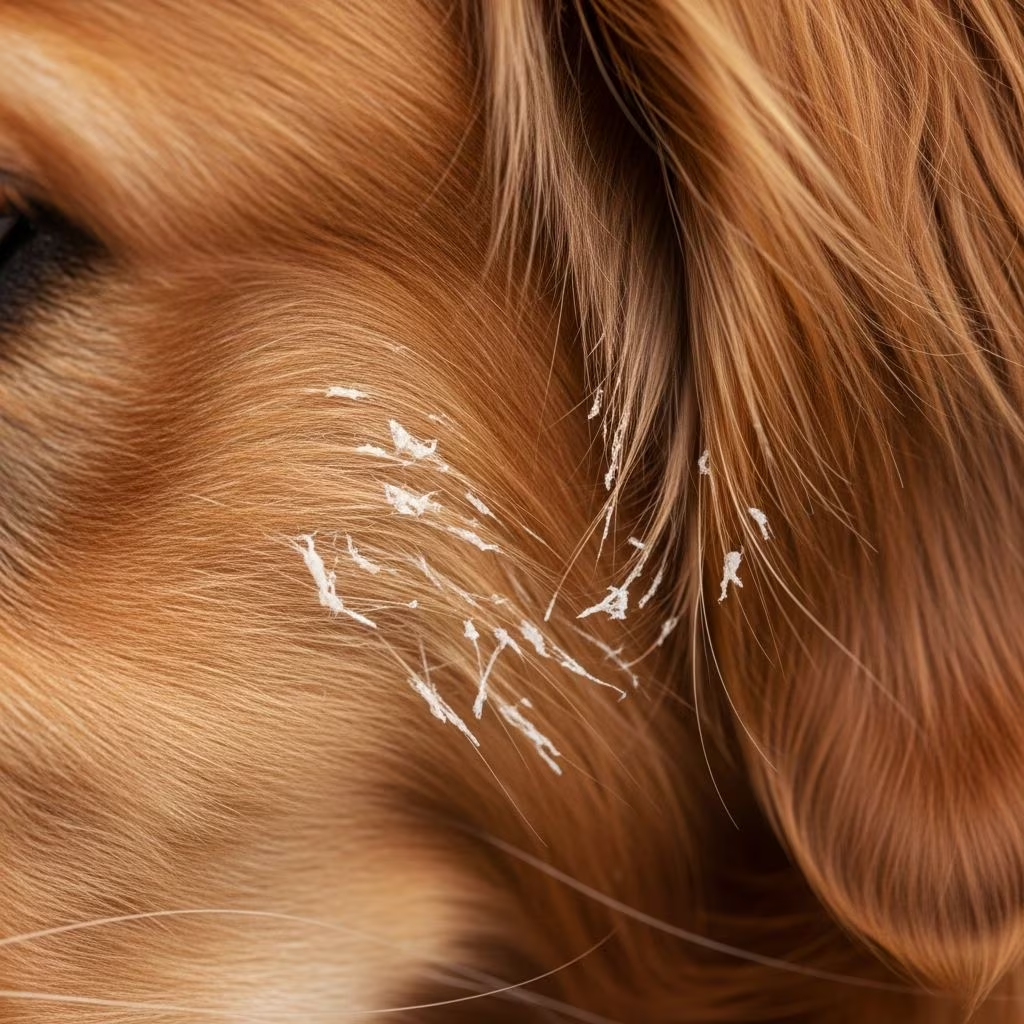
Dog dandruff manifests as visible white or gray flakes on your pet’s coat, often accompanied by itchiness or odor, signaling an underlying skin imbalance. Addressing it promptly through proper diagnosis and care can prevent discomfort and secondary issues.
Understanding the Basics of Canine Skin Flakes
A dog’s skin relies on sebaceous glands to secrete sebum, an oil that maintains hydration and suppleness. When these glands malfunction—producing too much or too little oil—conditions like seborrhea sicca (dry flakes) or oily seborrhea emerge, leading to dandruff.
This issue affects dogs of all breeds but is more prevalent in those with genetic predispositions, such as Cocker Spaniels and Basset Hounds. Environmental and health factors often exacerbate it, making vigilance key for pet owners.
Primary Triggers Behind Flaky Canine Skin
Several factors contribute to dandruff in dogs. Identifying the root cause is essential for effective management.
Dietary Shortcomings and Nutritional Gaps
Inadequate nutrition, particularly deficiencies in omega-3 fatty acids, vitamins, and minerals, directly impairs skin health, resulting in dryness and flaking. A subpar diet fails to support the skin barrier, allowing flakes to accumulate.
Allergic Reactions in Dogs
Allergies to food, pollen, dust mites, or fleas frequently present as flaky, itchy skin. These reactions inflame the skin, promoting excessive cell turnover and dandruff, often with seasonal flares or concurrent ear infections.
Parasitic Infestations
Parasites like fleas, ticks, mites, and Cheyletiella (known as ‘walking dandruff’) irritate the skin, causing intense itching and flaking. Mange from mites leads to severe dryness, demanding targeted parasite control.
Infections: Bacterial and Fungal Culprits
Bacterial or fungal overgrowth exploits skin weaknesses, producing greasy or dry dandruff. Yeast infections, in particular, create odorous, flaky patches that require veterinary intervention.
Environmental Stressors
Low humidity, harsh weather, or excessive bathing strips natural oils, drying out the skin. Over-bathing without proper products worsens the cycle of flaking.
Underlying Medical Conditions
Hormonal imbalances like hypothyroidism or Cushing’s disease disrupt skin oil production. Immune disorders and diabetes can also manifest as persistent dandruff.
Spotting the Signs: When Dandruff Signals Trouble
Mild, seasonal flakes may not alarm, but persistent symptoms warrant attention. Watch for:
- Visible white/gray flakes on coat or bedding
- Intense scratching or chewing
- Red, inflamed, or odorous skin
- Hair loss in patches
- Excessive paw licking
- Lethargy or discomfort
These indicate potential allergies, infections, or systemic issues needing professional evaluation.
Diagnostic Steps for Accurate Identification
Veterinarians diagnose via skin scrapings, cytology, allergy tests, or bloodwork to rule out hormonal or nutritional deficits. Early exams prevent complications like chronic infections.
Effective Treatment Strategies
Tailored treatments resolve most cases. Here’s a comprehensive approach:
Grooming Routines for Coat Health
Regular brushing distributes oils and removes dead skin, reducing flakes. Use vet-approved tools to avoid irritation.
Targeted Bathing Protocols
Medicated shampoos combat infections and excess oil; oatmeal-based ones soothe dryness. Bathe every 1-2 weeks, avoiding over-washing which exacerbates dryness.
| Shampoo Type | Best For | Frequency |
|---|---|---|
| Medicated (Antifungal/Antibacterial) | Infections, Seborrhea | 1-2x/week |
| Oatmeal or Moisturizing | Dry Skin, Allergies | As needed |
| Anti-Seborrheic | Oily Dandruff | Vet-directed |
Nutritional Supplements and Diet Tweaks
Omega-3 supplements bolster skin integrity; consult vets for regulated options. Switch to high-quality, nutrient-dense food.
Parasite Prevention Measures
Monthly preventives eliminate fleas/ticks; treat mange with prescription dips.
Environmental Adjustments
Humidifiers combat dry air; hypoallergenic bedding minimizes allergens.
Medical Interventions
For hormonal issues, hormone therapy; allergy shots or diets for sensitivities.
Prevention Tips for Long-Term Skin Wellness
Proactive steps maintain flake-free skin:
- Feed balanced, omega-rich diets
- Groom weekly
- Monitor for parasites
- Use gentle shampoos sparingly
- Maintain indoor humidity
- Schedule annual vet checkups
Frequently Asked Questions (FAQs)
Is dog dandruff contagious?
No, but parasites like Cheyletiella can spread to other pets or humans temporarily.
Can I treat dog dandruff at home?
Mild cases respond to brushing and moisturizing baths, but vet consultation is advised for underlying causes.
How often should I bathe a dog with dandruff?
Follow vet guidance; typically not more than bi-weekly to preserve oils.
Does breed affect dandruff risk?
Yes, breeds like Cocker Spaniels have genetic seborrhea.
When is dandruff an emergency?
If paired with severe itching, hair loss, or illness, seek immediate care.
Holistic Approaches to Support Skin Recovery
Integrate fish oil, coconut oil topicals (vet-approved), and stress reduction via exercise. Monitor progress and adjust as needed for optimal results.
References
- Dandruff in Dogs: Causes & Treatment — Montecito Pet Hospital. 2024-08-15. https://www.montecitopethospital.com/site/blog/2024/08/15/dandruff-dogs-causes-signs-treatments
- Dandruff in Dogs: Causes & Treatment — Kittrellah Veterinary Clinic. 2023-07-15. https://www.kittrellah.com/site/blog/2023/07/15/dandruff-dogs-causes-treatment
- Dandruff in Dogs: Causes & Treatment — Rivergate Veterinary Clinic. 2023-08-15. https://www.rivergateveterinaryclinic.com/site/blog/2023/08/15/dandruff-dog
- Dandruff in Dogs: Causes & Treatment — Pets on Broadway. 2024-07-15. https://www.petsonbroadway.net/site/blog/2024/07/15/dandruff-dog
- Doggie Dandruff: Causes, Signs & Treatments — Diamond Bar Vet Clinic. 2023-01-26. https://www.diamondbarvetclinic.com/site/blog/2023/01/26/doggie-dandruff-causes-signs-treatments
- Dog Dandruff: Causes & Tips to Treat It — Purina US. N/A. https://www.purina.com/articles/dog/health/skin-fur-ears/dog-dandruff



