

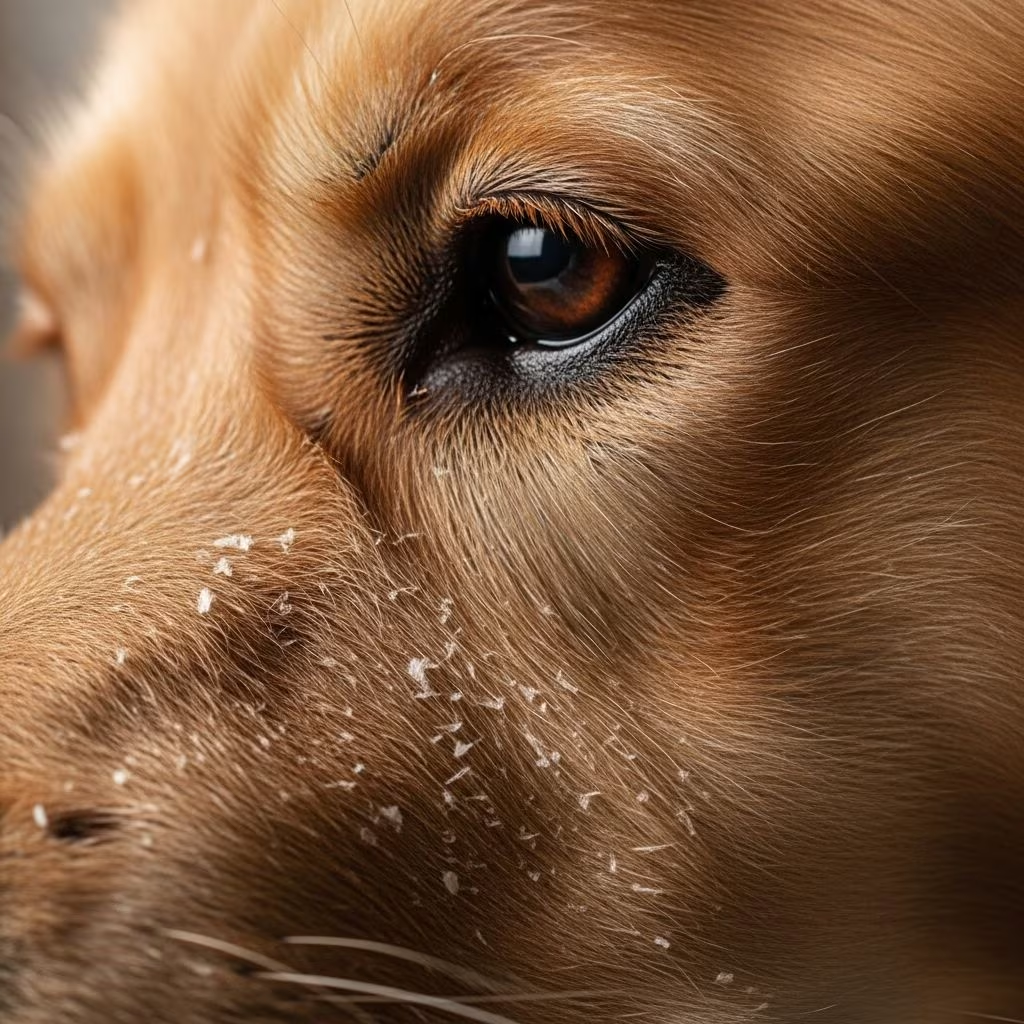
Dog dandruff manifests as visible white or gray flakes on your pet’s coat, often accompanied by itchiness or dull fur. This condition signals an underlying issue with skin health, ranging from simple environmental factors to serious medical problems, and requires prompt attention to ensure your dog’s comfort.
Understanding the Basics of Canine Skin Flakes
A dog’s skin naturally sheds dead cells, but excessive flaking indicates disruption in the sebaceous glands that produce sebum, the oil keeping skin moisturized. When sebum production is imbalanced—either too much leading to oily flakes or too little causing dryness—dandruff appears. Breeds like Basset Hounds, Cocker Spaniels, and West Highland White Terriers are genetically predisposed due to primary seborrhea, where skin cell turnover accelerates abnormally.
Recognizing dandruff early prevents escalation. Normal shedding is fine and even, but dandruff clusters in patches, often on the back, tail, or belly, and may carry a greasy odor if oily.
Primary Triggers Behind Flaky Canine Skin
Several factors contribute to dandruff. Here’s a breakdown of the most prevalent ones:
- Environmental Dryness: Low humidity, especially in winter or arid regions, strips natural oils from the skin. Indoor heating exacerbates this, leading to brittle fur and flakes.
- Nutritional Shortfalls: Diets lacking omega-3 and omega-6 fatty acids, zinc, or vitamins A and E impair skin barrier function, resulting in dryness.
- Parasitic Infestations: Fleas, mites (like Cheyletiella, causing ‘walking dandruff’), and ticks irritate the skin, prompting excessive shedding and inflammation.
These external elements are common but often interplay with internal issues for worse outcomes.
Health-Related Contributors to Dandruff
Beyond lifestyle factors, medical conditions play a significant role. Allergies top the list: food sensitivities or environmental triggers like pollen and dust mites cause inflamed, flaky skin, frequently with secondary ear infections or paw chewing.
Infections follow closely. Bacterial overgrowth or fungal issues, such as Malassezia yeast, thrive on compromised skin, producing greasy dandruff and foul smells.
| Condition | Symptoms | Common Breeds Affected |
|---|---|---|
| Hormonal Imbalances (e.g., Hypothyroidism, Cushing’s) | Dry coat, hair loss, lethargy | Any, but older dogs |
| Seborrhea (Primary) | Oily/dry flakes, odor | Basset Hounds, Cocker Spaniels |
| Allergies | Itching, red skin, recurrent infections | Retrievers, Bulldogs |
| Parasites | Visible mites, intense scratching | All breeds |
Hormonal disorders like hypothyroidism slow metabolism, thinning the skin and coat, while Cushing’s overproduces cortisol, weakening immunity.
Autoimmune diseases, though rare, and diabetes can also manifest similarly, underscoring the need for veterinary diagnostics.
Spotting the Warning Signs Early
Not all flakes are harmless. Monitor for:
- Persistent scratching or biting at skin
- Red, inflamed patches or sores
- Unusual odor from the coat
- Thinning hair or bald spots
- Behavioral changes like restlessness or appetite loss
If mild and seasonal, it might resolve with care, but combined symptoms demand a vet visit to rule out infections or systemic disease.
Effective At-Home Management Strategies
Start with non-invasive steps while awaiting professional advice.
Grooming Routines for Relief
Regular brushing distributes oils and removes debris. Use a slicker brush or curry comb 2-3 times weekly, increasing for long-haired breeds. Avoid over-brushing, which irritates skin.
Bathing helps but frequency matters—once monthly suffices for most, using moisturizing or oatmeal shampoos. Overbathing strips oils; opt for vet-recommended medicated ones for infections.
Dietary Adjustments for Skin Health
Switch to high-quality food rich in fatty acids. Fish oil supplements (EPA/DHA) reduce inflammation—dose per vet guidance, typically 20-50mg/kg daily. Add probiotics for gut-skin axis support.
Environmental Tweaks
Humidifiers combat dry air, aiming for 40-60% humidity. Flea preventives year-round keep parasites at bay. Hypoallergenic bedding minimizes dust exposure.
Veterinary Interventions for Stubborn Cases
For persistent dandruff, vets conduct skin scrapes, cytology, or allergy tests. Treatments include:
- Antibiotics or antifungals for infections
- Hypoallergenic diets or immunotherapy for allergies
- Hormone therapy for endocrine issues
- Topical sprays or oral meds for severe seborrhea
Follow-up ensures resolution; untreated cases lead to chronic issues.
Preventive Measures for a Flake-Free Future
Proactive care minimizes risks:
- Annual wellness exams
- Balanced, AAFCO-approved diet
- Consistent parasite control
- Seasonal grooming boosts
- Monitor for breed-specific vulnerabilities
These habits promote resilience against dandruff triggers.
Frequently Asked Questions
Is dog dandruff contagious?
No, but mites like Cheyletiella can spread to other pets or humans temporarily. Treat promptly.
Can I use human shampoo on my dog?
Avoid it—pH differences irritate canine skin, worsening flakes. Stick to pet formulas.
How long until treatments work?
Improvements appear in 1-4 weeks with consistent care; full resolution may take months for genetic cases.
Does breed matter for dandruff risk?
Yes, oily-coated or wrinkle-faced breeds like Shar-Peis are prone, alongside genetic lines.
Is dandruff always visible?
Not initially; dark coats hide flakes—check with brushing or part the fur.
Addressing dog dandruff holistically restores comfort and vitality. Consult your vet for tailored plans, as early action prevents complications.
References
- Dandruff in Dogs: Causes & Treatment — Montecito Pet Hospital. 2024-08-15. https://www.montecitopethospital.com/site/blog/2024/08/15/dandruff-dogs-causes-signs-treatments
- Dandruff in Dogs: Causes & Treatment — Kittrellah Vets. 2023-07-15. https://www.kittrellah.com/site/blog/2023/07/15/dandruff-dogs-causes-treatment
- Dandruff in Dogs: Causes & Treatment — Pets on Broadway. 2024-07-15. https://www.petsonbroadway.net/site/blog/2024/07/15/dandruff-dog
- Dog Dandruff: Causes & Tips to Treat It — Purina. N/A. https://www.purina.com/articles/dog/health/skin-fur-ears/dog-dandruff
- Doggie Dandruff: Causes, Signs & Treatments — Diamond Bar Vet Clinic. 2023-01-26. https://www.diamondbarvetclinic.com/site/blog/2023/01/26/doggie-dandruff-causes-signs-treatments
- Dandruff in Dogs — PDSA. N/A. https://www.pdsa.org.uk/pet-help-and-advice/pet-health-hub/symptoms/dandruff-in-dogs
- Dandruff in Dogs: Causes & Treatment — Turlock Vets. 2023-12-15. https://www.turlockvet.com/site/blog/2023/12/15/dandruff-dogs



