

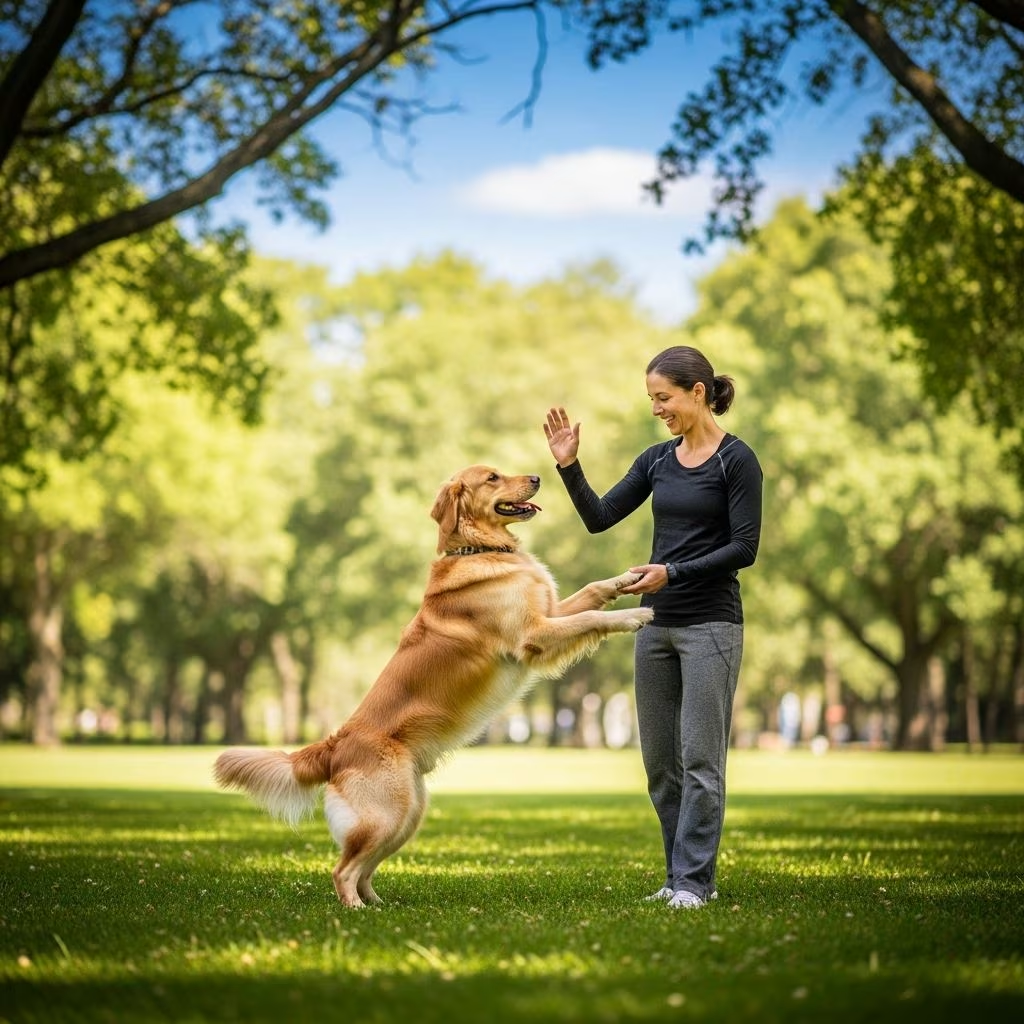
Canine musical freestyle transforms basic obedience into an artistic expression set to rhythm, allowing dogs and handlers to perform captivating routines that showcase partnership and precision.
The Essence of Canine Freestyle
This sport fuses structured behaviors with creative flair, emphasizing teamwork between dog and human. Rooted in positive reinforcement, it highlights each dog’s unique traits through choreographed sequences. Unlike traditional obedience, freestyle adds music and movement, making training engaging for both participants.
Handlers cue familiar commands in sync with beats, evolving simple sits into fluid patterns. The result is a performance celebrating the dog’s personality, from playful spins to elegant heeling.
Why Pursue Dog Dancing?
- Deepens Bonds: Shared practice builds trust and communication, enhancing everyday interactions.
- Boosts Fitness: Dynamic moves improve canine agility and handler endurance without high impact.
- Mental Stimulation: Complex chaining of tricks keeps dogs sharp and eager.
- Creative Outlet: Personalize routines to reflect your team’s style and energy.
- Inclusive Fun: Adaptable for various breeds, ages, and skill levels.
Competitors note increased joy in training, turning routine sessions into exciting collaborations.
Foundational Skills for Success
Start with rock-solid obedience: sit, down, stay, recall, and heel form the core. Progress to tricks like spins, backing up, and leg weaves, ensuring reliability off-leash for advanced work.
| Skill Level | Key Behaviors | Purpose |
|---|---|---|
| Beginner | Sit, stay, heel, come | Build control and attention |
| Intermediate | Spin, back up, side pass | Add flow and transitions |
| Advanced | Weaves, distance stays, jumps | Enable complex choreography |
Precision in positions—left/right heel, front, behind—creates seamless routines. Train both verbal and nonverbal cues for smooth execution.
Selecting the Perfect Soundtrack
Music choice drives the performance. Match tempo to your dog’s gait: slower for large breeds, upbeat for small ones. Consider mood—energetic rock for power, waltz for grace.
- Ensure personal enjoyment, as repetition is key during practice.
- Test rhythms by walking with your dog to gauge natural sync.
- Avoid lyrics that distract judges or audiences.
Popular genres include pop, classical, and country, tailored to highlight team dynamics.
Building Your First Routine
Choreography begins with listing trained behaviors, then mapping them to music segments. Use a timeline: intro for engagement, verses for tricks, chorus for highlights.
- Record baseline movements without music.
- Layer cues to beats, practicing short chains.
- Incorporate handler motion—sidesteps, turns—for unity.
- Rehearse full runs, filming to refine timing.
Common elements include circles around the handler, independent spins, and synchronized backups. Aim for 1-2 minutes initially.
Training Techniques That Work
Employ positive methods: rewards for on-beat responses. Break routines into micro-chains, fading lures gradually.
For lateral work, teach side passes by luring with treats along a wall, then generalize to open space. Spins start with hand signals, evolving to verbal precision.
Practice in varied environments to build reliability. Sessions of 10-15 minutes prevent fatigue, focusing on high-energy fun.
Competition Landscape
Organizations like Musical Dog Sport Association (MDSA) and Canine Freestyle Federation (CFF) host events with leveled divisions.
- Rookie: Leash optional, props allowed, 1-2:15 min.
- Novice: Off-leash basics, no treats.
- Advanced: Distance, laterals, creative flair.
Scoring rewards musicality, accuracy, and partnership. Titles earned via qualifying legs.
Adapting for Every Dog
Freestyle suits all: puppies learn basics gently, seniors focus on low-impact heeling. Modify for physical limits—use ramps for jumps or seated handler poses.
Breeds excel differently: herders shine in weaves, hounds in fluid trots. No prior dance skills needed; focus is canine spotlight.
Gearing Up Minimally
Essentials: reliable music device, flexible leash for early stages, open 20×20 ft space. Costumes optional for flair, but prioritize safety—no restrictive gear.
Common Hurdles and Fixes
| Challenge | Solution |
|---|---|
| Dog anticipates cues | Vary timing, add random elements |
| Off-beat responses | Mark with clicker on rhythm, reward promptly |
| Handler nerves | Practice with mirrors, video review |
| Stale routines | Rotate music, introduce new tricks |
Finding Your Community
Join clubs via national bodies or local trainers. Attend demos for inspiration—watch pros blend obedience with artistry. Online forums and guides accelerate progress.
Health and Safety First
Consult vets for joint checks, especially seniors. Warm-ups prevent strains; hydrate during long practices. Freestyle’s low-impact nature supports lifelong activity.[10]
FAQs
What age dog can start?
Puppies post-vaccination for basics; all ages with adaptations.
Do I need dance experience?
No—emphasis on dog-handler sync, not pro choreography.
How long to compete-ready?
3-6 months with consistent training, depending on foundation.
Cost to begin?
Minimal: classes $100-200, no fancy equipment needed.
Best breeds for this?
All, but high-drive types like Border Collies thrive.
Next Steps to Shine
Assess obedience, pick a song, enroll in class. Film weekly progress toward your debut. This journey elevates your bond into performance art.
References
- Canine Musical Freestyle — Whole Dog Journal. 2023. https://www.whole-dog-journal.com/training/canine-musical-freestyle/
- MDSA Canine Freestyle Training Guide — Musical Dog Sport Association Inc. 2015-03. https://musical-dogsport.squarespace.com/s/MDSA-Canine-Freestyle-Training-Guide-2015-03.pdf
- Canine Freestyle: A Dog Sport Guide — The Academy of Pet Careers. 2024. https://www.theacademyofpetcareers.com/blog/canine-freestyle-guide/
- Canine Musical Freestyle – So Much More Than Dancing — Fenzi Dog Sports Academy. 2023. https://www.fenzidogsportsacademy.com/blog/canine-musical-freestyle-so-much-more-than-dancing-with-your-dog
- Welcome to the World of Musical Freestyle — American Kennel Club. 2022. https://www.akc.org/expert-advice/lifestyle/welcome-to-the-world-of-musical-freestyle-dog-dancing/
- Tampa Dog Trainer Brenna Fender: The ABCs of Canine Freestyle — Courteous Canine. 2023. https://www.courteouscanine.com/tampa-dog-trainer-brenna-fender-the-abcs-of-canine-freestyle/



