

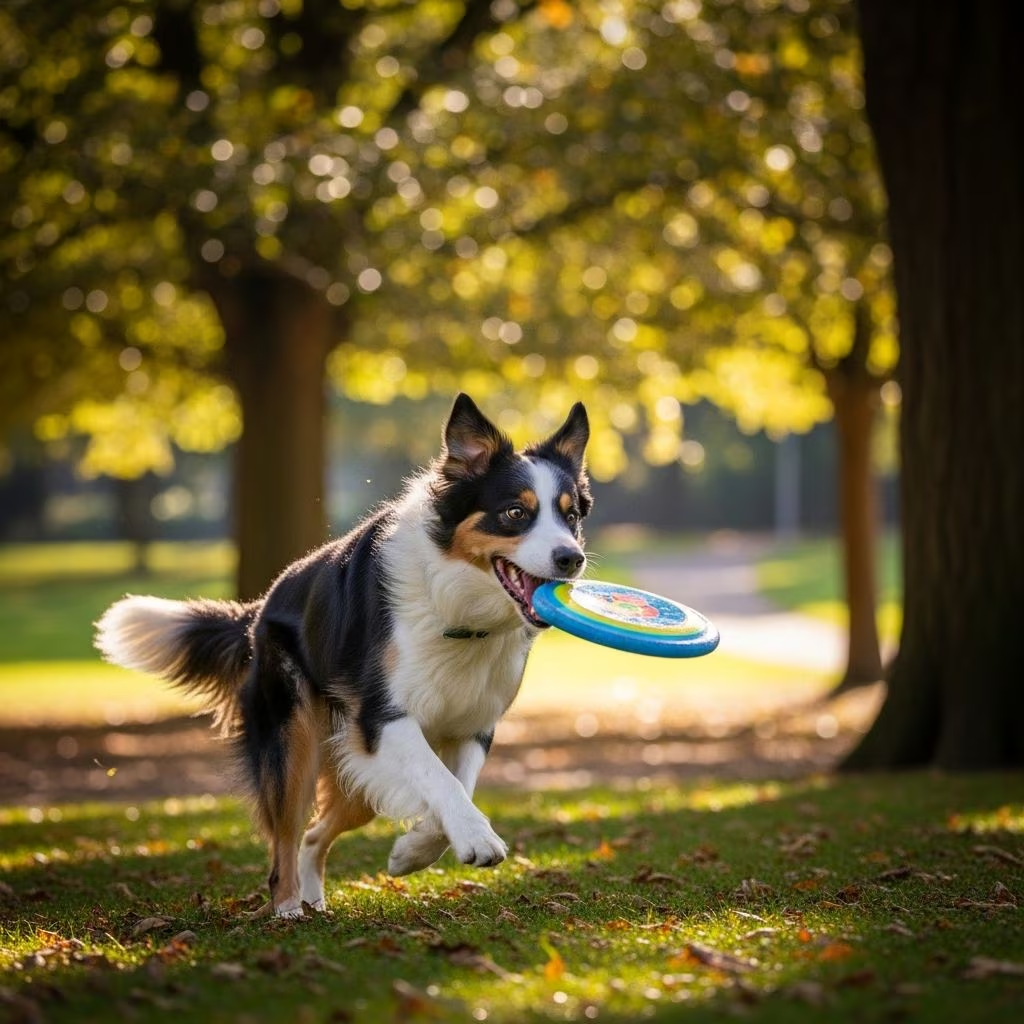
Every dog owner wonders how much exercise their canine companion truly needs. The answer isn’t one-size-fits-all—it depends on multiple factors including breed heritage, age, size, and individual health conditions. Understanding these variables helps ensure your dog receives appropriate physical stimulation to maintain a healthy weight, support mental wellness, and prevent behavioral problems stemming from excess energy.
The Foundation: Baseline Exercise Guidelines
Dogs require a minimum of 30 minutes of activity daily, though many need significantly more. The general recommendation spans from 30 minutes to two hours of moderate to high-intensity activity each day, varying based on your dog’s specific characteristics. Rather than a fixed number, think of this as a starting point that adjusts based on your individual pet’s needs and capabilities.
Most veterinarians agree that dogs benefit from at least one to two walks per day. These walks serve dual purposes: they provide physical exercise while offering mental enrichment through environmental exploration and social interaction. However, walks alone may not meet the needs of high-energy breeds that require more vigorous activities.
How Breed Type Influences Exercise Needs
Understanding your dog’s breed classification provides valuable insight into their energy expectations. Dogs were selectively bred for specific tasks, and these ancestral purposes still influence their physical and mental requirements today.
High-Energy Working and Sporting Breeds
Sporting dogs including Labrador Retrievers and Golden Retrievers were historically developed for demanding tasks like retrieving and swimming. These breeds thrive with at least 90 minutes of daily exercise. Similarly, herding breeds such as Border Collies and Australian Shepherds require substantial activity—at least 60 minutes of physical exercise plus additional mental enrichment through puzzle games and training exercises.
Both herding and sporting groups represent the most exercise-intensive categories. If your dog belongs to these groups and maintains good health, aim for at least 30 minutes of vigorous exercise in addition to one to two hours of daily activity. These working breeds become easily bored without sufficient mental challenges interspersed with physical exertion.
Terrier Breeds and Their Spirited Nature
Terriers, including Jack Russell Terriers and Scottish Terriers, possess significant exercise requirements despite their smaller size. A minimum of 60 minutes of moderate exercise combining walks, interactive play like fetch, and problem-solving games keeps them physically and mentally fit. While a large garden might accommodate some activity, outdoor walks remain essential for mental stimulation and socialization opportunities.
Hound Varieties and Their Distinct Needs
Hound breeds display varied exercise requirements depending on their hunting style. Scent hounds like Beagles enjoy long, leashed walks where they follow scents, while sighthounds such as Greyhounds prefer short, high-speed bursts in secure fenced areas. Understanding these distinctions prevents frustration and ensures appropriate activity types for your particular hound.
Companion and Guard Breed Categories
Small companion breeds like Havanese, Pugs, and Pomeranians often meet their exercise needs through short walks and indoor games. Larger companion breeds such as Norwegian Elkhounds require longer walks and faster-paced activities. Guard breeds including Rottweilers and American Staffordshire Terriers benefit from moderate activities like walking or hiking for 45-90 minutes daily depending on age and size.
Special Considerations for Flat-Faced Breeds
Brachycephalic dogs—those with flat faces like Bulldogs, French Bulldogs, Pugs, and Shih Tzus—face unique limitations. These breeds possess lower exercise tolerance due to breathing constraints and are prone to overheating, which can be dangerous. They should exercise in short bouts rather than prolonged sessions, with 30-60 minutes daily typically sufficient.
Age-Related Activity Adjustments
Your dog’s life stage significantly impacts appropriate exercise levels. What works for a puppy differs dramatically from adult or senior requirements.
Puppies: Building Strong Foundations Carefully
Despite appearing to have boundless energy, puppies have developing joints and muscles requiring careful management. Short, controlled play sessions with age-appropriate activities prevent injury during crucial growth periods. Avoid repetitive, high-impact exercises like long runs while puppies are still growing. Instead, gradually increase exercise duration as they mature and their bodies strengthen.
Adult Dogs: Meeting Peak Demands
Adult dogs can perform a larger variety of exercises than puppies or seniors, allowing you to mix activities and maintain engagement. Active breeds may require a few hours of activity daily, while sedentary breeds do well with 30-60 minute walks and playtime. Adult dogs in hunting, working, or herding groups need the most exercise and should receive at least 30 minutes of rigorous exercise plus one to two additional hours of daily activity if in good health.
Senior Dogs: Maintaining Health with Modifications
Senior dogs require at least 30 minutes of daily exercise despite their advancing age. Exercise becomes shorter but remains necessary for mental stimulation and physical health maintenance. Low-impact activities like walking rather than running preserve joint health while keeping seniors active and engaged.
Size Considerations in Exercise Planning
Dog size influences exercise requirements and suitable activity types.
Small Breed Adaptations
Small dogs often meet many exercise needs indoors through short walks, fetch games, or running laps around the home. However, outdoor time for sniffing and environmental exploration remains beneficial. Interactive toys and puzzle games engage their minds while accommodating their physical capabilities.
Medium Breed Opportunities
Medium-sized dogs typically require longer walks, dog park visits, or agility courses. Structured activities like obedience training or frisbee sessions maintain mental engagement while providing physical outlets.
Large Breed Requirements
Larger dogs generally need extended exercise periods. A Golden Retriever at two years old, for example, requires approximately 68 minutes of daily activity. Larger breeds benefit from varied activities including hiking trails, swimming, and running alongside cyclists or skateboarders when veterinarian-approved.
Diverse Exercise Modalities Beyond Traditional Walking
Exercise for your dog encompasses far more than standard neighborhood walks. Multiple activity types contribute to overall fitness and mental wellness.
Low-Impact Activities
- Walking on flat terrain
- Gentle swimming
- Short play sessions
Moderate Exercise Options
- Jogging at comfortable pace
- Hiking on flat trails
- Fetch games
- Agility training basics
Strenuous Activities
- Running
- Hiking with elevation changes
- Swimming for extended periods
- Intense fetch games
- Advanced agility training
Mental Stimulation Through Activity
- Exploring new walking routes
- Training sessions integrated into walks
- Puzzle toys and interactive feeders
- Scent training activities
- Hide-and-seek games
- Flirt poles
- Tug-of-war play
- Indoor obstacle courses
Individual Factors Beyond Breed and Age
Even within breed categories, individual dogs have unique requirements. Your dog’s energy level, overall health status, and lifestyle influence appropriate activity levels. A less active breed might need as little as 15 minutes daily, while an exceptionally energetic individual might require well over an hour. Always listen to your dog’s signals and adjust activity accordingly.
Health conditions significantly impact exercise capacity. Dogs with joint problems, heart conditions, or respiratory issues need veterinary guidance for appropriate activity types and intensity levels. Your veterinarian can recommend suitable exercises and alert you to warning signs of overexertion.
Frequency and Consistency Matter
Dogs benefit from consistent daily activity rather than sporadic intense exercise. Most dogs don’t require rest days from walking unless they’ve overexercised, become anxious during walks, or face unfavorable weather conditions. On difficult days, substitute alternative activities like fetch or tug-of-war to maintain activity levels while protecting your dog from potential weather-related stress.
Timing also contributes to success. Taking your dog for walks at approximately the same time each day establishes routine and helps regulate their internal rhythms. Consistent scheduling supports both physical health and behavioral stability.
Recognizing Insufficient Activity
When dogs lack adequate exercise, behavioral and health problems often emerge. Excessive barking, destructive chewing, jumping on visitors, and aggression frequently stem from pent-up energy rather than inherent behavioral issues. Weight gain, muscle atrophy, and mental health decline also result from insufficient activity.
Conversely, providing appropriate exercise outlets channels energy constructively and supports emotional regulation. Dogs with adequate daily activity demonstrate better focus, reduced anxiety, and improved overall behavior.
Creating Your Dog’s Personalized Activity Plan
Begin by identifying your dog’s breed group, current age, and size. Cross-reference these factors with the guidelines provided above to establish baseline expectations. Observe your individual dog’s energy levels, enthusiasm for different activities, and physical response to exercise. Gradually introduce varied activities, monitoring for signs of enthusiasm, fatigue, or discomfort.
Document what activities your dog enjoys and which seem to tire them appropriately. This information guides future activity planning and helps you build a routine that works for your specific dog while preventing both under- and over-exercise.
Consult your veterinarian before significantly increasing exercise intensity, especially for puppies, seniors, or dogs with health concerns. Your vet can provide breed-specific recommendations and screen for underlying conditions that might influence appropriate activity levels.
References
- Exercise Requirements by Breed — Wisdom Panel. https://www.wisdompanel.com/en-us/blog/exercise-requirements-by-breed
- Exercise Needs for Puppies, Adults and Senior Dogs — Small Door Veterinary. https://www.smalldoorvet.com/learning-center/wellness/exercise-needs-dog-lifestages
- Dog Exercise Requirements by Breed — Company of Animals US. https://companyofanimals.com/us/dog-exercise-requirements-by-breed/
- Dog Exercise Needs by Breed — Orvis News. https://news.orvis.com/dogs/dog-exercise-needs-by-breed
- Exercise for Dogs — PDSA. https://www.pdsa.org.uk/pet-help-and-advice/looking-after-your-pet/puppies-dogs/how-much-exercise-does-your-dog-need
- How Much Exercise Does a Dog Need? It Depends — GoodRx Pet Health. https://www.goodrx.com/pet-health/dog/how-much-exercise-does-a-dog-need
- Exercising With Your Dog 101 — PetMD. https://www.petmd.com/dog/wellness/evr_dg_exercising_with_your_dog101



