

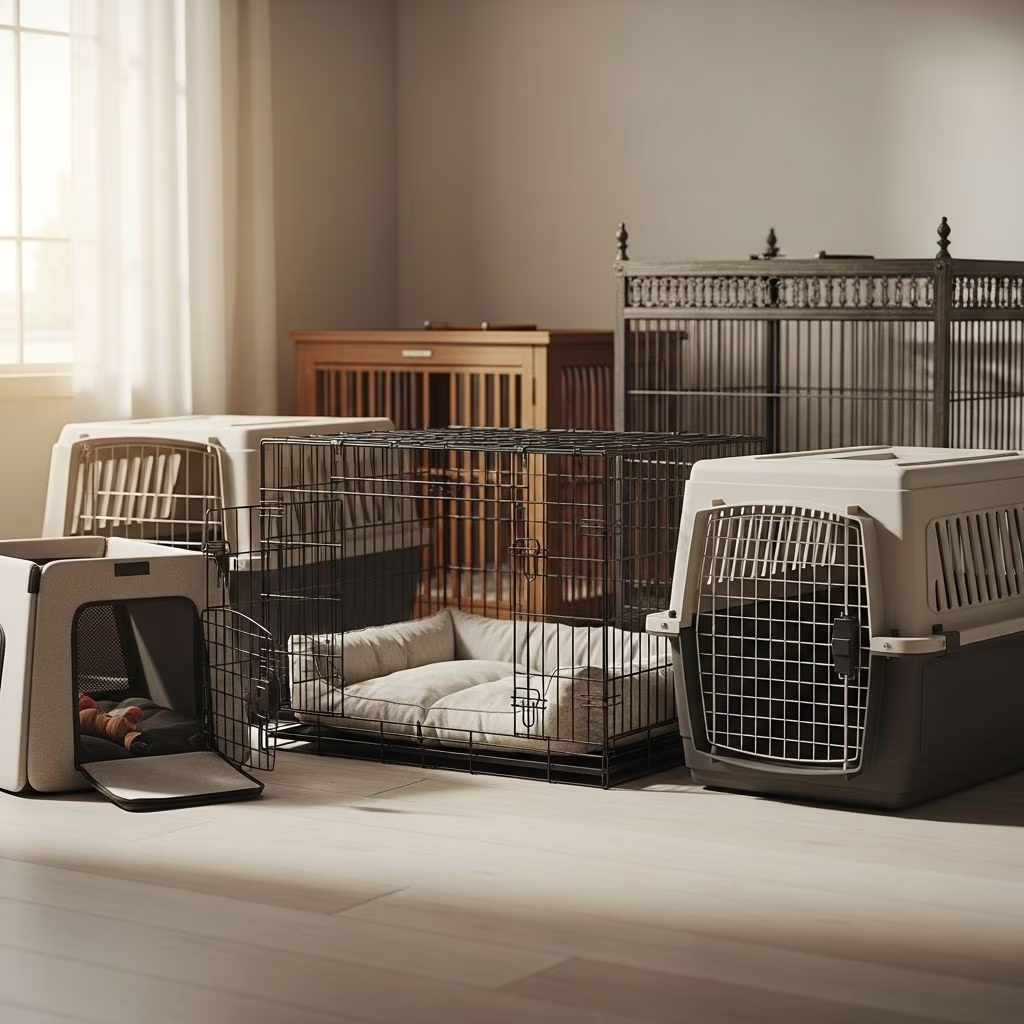
Selecting an appropriate crate for your dog is one of the most significant decisions you’ll make as a pet owner. A properly chosen crate serves as a safe haven for your dog, facilitates house training, and provides secure transportation. However, many dog owners struggle with determining the correct size and material type, leading to purchases that don’t meet their pet’s needs. This comprehensive guide will walk you through the process of evaluating your dog’s specific requirements and choosing a crate that promotes comfort, security, and effective training.
Understanding Your Dog’s Measurement Needs
The foundation of selecting the right crate begins with accurate measurement of your dog. Taking precise measurements ensures your pet has adequate space to move naturally while maintaining the snug, den-like environment that makes crates effective for training and security.
Key Measurements to Obtain
- Nose-to-Tail Length: Measure from the tip of your dog’s nose to the base of the tail. Add 2-4 inches to this measurement to ensure your dog can fully stretch out without touching the crate walls.
- Standing Height: Measure from the top of your dog’s head (or ears if they stand erect) down to the floor. Add an additional 2-4 inches to allow your dog to sit upright and stand without crouching.
- Current Weight and Expected Adult Weight: For puppies, research the breed’s typical adult weight to avoid purchasing a crate your dog will quickly outgrow. For mixed breeds, consult your veterinarian for weight predictions.
This measurement process takes only a few minutes but proves invaluable when shopping for the appropriate crate. Many retailers provide sizing charts that correlate measurements directly to their crate dimensions, removing much of the guesswork from the selection process.
Standard Crate Dimensions by Dog Size Classification
The pet industry has established standard crate sizes that correspond to dog weight ranges and breed categories. Understanding these classifications helps you navigate the marketplace more effectively.
| Size Category | Weight Range | Typical Dimensions | Example Breeds |
|---|---|---|---|
| Extra Small | Up to 15 lbs | 18″ long × 11″ high | Maltese, Miniature Dachshund, Pomeranian |
| Small | 15-25 lbs | 22-24″ long × 16″ high | Cavalier King Charles, French Bulldog, Yorkshire Terrier |
| Medium | 25-40 lbs | 30-36″ long × 20″ high | Beagle, Cocker Spaniel, Welsh Corgi |
| Large | 40-70 lbs | 36-42″ long × 25″ high | Labrador Retriever, Golden Retriever, Chow Chow |
| Extra Large | 70+ lbs | 42-48″ long × 28″ high | German Shepherd, Rottweiler, Saint Bernard |
While these classifications provide helpful starting points, individual variation exists among dogs of the same breed and weight. Your actual measurements should always take precedence over breed generalizations when making your final selection.
The Critical Balance: Avoiding Size-Related Problems
Choosing a crate size involves finding the sweet spot between comfort and functionality. Both undersizing and oversizing present distinct challenges that can undermine your crate training efforts.
Consequences of Selecting Too Small
A crate that’s too small creates unnecessary stress and discomfort. Your dog cannot stretch out fully, stand upright without ducking, or turn around easily. This cramped environment can breed anxiety and resentment toward the crate, making training significantly more difficult. An overly small crate may also pose physical risks, particularly for larger breeds that could sustain injuries attempting to move within the confined space.
Problems with Oversized Crates
Conversely, an excessively large crate undermines house training effectiveness. Dogs naturally avoid soiling their sleeping areas, but a crate that’s too spacious allows them to designate a separate corner for bathroom use, defeating the purpose of crate training. Additionally, wider wire mesh spacing in larger crates can create safety hazards, as small dogs may catch their heads or limbs through gaps designed for larger animals.
The Optimal Sizing Strategy
The ideal crate allows your dog to stand tall, turn around, and stretch out comfortably—essentially creating a snug, den-like retreat rather than a playpen. This balance maximizes both comfort and training effectiveness while providing the psychological security that makes crates appealing to dogs.
Crate Material Types and Their Applications
Modern dog crates come in various materials, each offering distinct advantages and disadvantages depending on your intended use, your dog’s behavior, and your aesthetic preferences.
Wire Crates
Wire crates represent the most popular choice for home-based crate training and daily use. These crates feature durable metal construction with excellent ventilation, allowing air circulation from multiple sides. Many wire crates include removable dividers, making them particularly valuable for dog owners raising puppies, as the divider can be adjusted to match your growing dog’s size, extending the crate’s useful lifespan. Wire crates are typically affordable, easy to clean, and allow your dog to observe household activities while remaining contained. The open construction makes it easy to monitor your dog’s comfort and behavior throughout the day.
Plastic Crates
Plastic crates offer enclosed, den-like environments that many dogs find particularly comforting. This enclosed design provides a greater sense of security and privacy, which can reduce anxiety in nervous dogs. Plastic crates are the preferred option for airline travel and are accepted by most major carriers for pet transportation. Their molded construction is secure and durable, resisting accidental breakage from normal use. However, plastic crates provide limited ventilation compared to wire alternatives and are more challenging to clean thoroughly. They’re best suited for dogs that are already crate-trained and comfortable with enclosed spaces.
Soft-Sided Fabric Crates
Lightweight and portable, soft-sided fabric crates excel in travel situations and temporary containment needs. These collapsible crates occupy minimal space when not in use and can be transported easily to hotels, vacation homes, or outdoor events. However, fabric crates present significant durability challenges for dogs prone to chewing or digging, as the material tears readily. They’re most appropriate for well-trained adult dogs that have already mastered crate etiquette and won’t attempt to chew through or destroy the enclosure.
Heavy-Duty and Reinforced Crates
Dogs with anxiety, destructive tendencies, or exceptional strength may require heavy-duty crates constructed from reinforced materials. These specialized crates utilize thicker gauge materials and superior construction techniques to withstand determined escape attempts and aggressive chewing. While significantly more expensive than standard options, heavy-duty crates represent a worthwhile investment for owners of large, powerful breeds or dogs with behavioral challenges that make escape a genuine risk.
Specialty Materials
Less common options include wooden crates designed to blend seamlessly with home décor and aluminum crates favored by show dog owners and professionals. Wooden crates offer aesthetic appeal but typically provide limited visibility and require more maintenance. Aluminum crates provide industrial-grade durability and are popular among breeders and trainers working with multiple dogs.
Matching Crate Type to Your Lifestyle
Your primary use case should heavily influence your material selection. Consider whether your crate needs to serve multiple purposes or if you’re purchasing specialized crates for different situations.
Primary Home Crate
For a dog spending significant daily time in a crate at home, a wire crate typically provides the best balance of functionality, durability, and value. The excellent ventilation ensures your dog remains comfortable throughout the day, while the open construction allows social interaction and observation. If your dog experiences anxiety, a plastic crate may provide superior psychological comfort through its den-like enclosure.
Travel and Transportation
Different travel scenarios may demand different crate types. Airline-approved plastic crates are mandatory for air travel, while soft-sided crates offer convenience for road trips where durability is less critical. For frequent travelers, investing in both a primary wire crate for home use and a travel-specific crate simplifies logistics and ensures appropriate containment in each situation.
Multiple-Dog Households
Families with several dogs often benefit from purchasing crates of different types based on individual dog temperaments and training levels. One dog might thrive in a wire crate offering full visibility, while another benefits from the enclosed security of a plastic crate. This customized approach acknowledges that optimal crate selection varies among individual dogs.
Selecting for Puppies Versus Adult Dogs
Puppies present unique crating considerations since their adult size may be significantly larger than their current dimensions. Purchasing a crate sized for an adult dog creates excessive space for a small puppy, undermining house training effectiveness. Conversely, replacing crates multiple times as a puppy grows becomes expensive and wasteful.
Wire crates with removable dividers solve this dilemma elegantly. You position the divider to create an appropriately-sized space for your current puppy, then gradually move the divider back as your dog grows, eventually removing it entirely when your dog reaches full size. This approach allows a single wire crate to serve your dog from puppyhood through adulthood, providing excellent value and supporting effective training throughout the growth process.
Safety Considerations in Crate Selection
Beyond comfort, safety should factor prominently in your crate decision. Ensure the crate construction is sturdy enough to safely contain your dog without sharp edges or gaps that could cause injury. For large or powerful dogs, verify that the crate can withstand their weight and strength without deformation or collapse.
Check that any locking mechanisms function securely—a crate that accidentally opens during transportation or when you’re away presents serious dangers. If you choose a wire crate for a small dog, verify that the mesh spacing prevents your dog’s head or limbs from becoming stuck between wires.
Common Questions About Crate Selection
Should I buy the largest size available to give my dog maximum space?
No. Excessively large crates undermine house training by allowing your dog to establish separate sleeping and bathroom areas. The ideal crate provides space for comfortable standing, turning, and stretching—but maintains the snug, den-like feel that makes crates psychologically appealing to dogs.
Can I use a crate designed for a different purpose?
While a plastic airline crate might be used for home training and a wire crate occasionally for travel, each crate type was optimized for specific purposes. Using crates outside their intended application may prove less effective or convenient than selecting purpose-appropriate options.
How do I size a mixed-breed dog with uncertain adult weight?
Consulting your veterinarian provides the most reliable weight prediction. If your vet cannot estimate precisely, err on the side of caution by selecting a crate slightly larger than your current measurements suggest, then managing space with a divider if you’re using a wire model.
Can I move up to a larger size if the exact size isn’t available?
Moving up one size is generally acceptable, particularly if using a divider to manage extra space. Moving up multiple sizes, however, risks defeating training effectiveness and creating safety hazards through excessive mesh spacing.
Making Your Final Selection
Selecting a dog crate requires balancing your dog’s physical measurements with your intended use, your dog’s temperament, and your living situation. Begin by measuring your dog accurately, research breed-specific size recommendations as reference points, then prioritize your specific crate’s material based on how you’ll primarily use it. A well-chosen crate becomes a sanctuary your dog retreats to willingly, rather than a punishment device. By investing time in proper selection, you establish the foundation for successful crate training and provide your dog with a secure, comfortable space for years to come.
References
- Choosing the Best Crate Size for your Dog — Open Farm. Accessed 2026. https://openfarmpet.com/blogs/news/best-crate-size-for-dog
- IATA Live Animal Regulations — International Air Transport Association. https://www.iata.org/en/programs/cargo/live-animals/
- What Size Crate Should I Get for My Dog? Here’s How to Tell — Chewy. Accessed 2026. https://www.chewy.com/education/dog/general/what-size-crate-does-my-dog-need-how-to-measure
- Crate & Carrier Sizing Chart — PetSmart. Accessed 2026. https://www.petsmart.com/help/sizing-charts-H0012a.html
- The Ultimate Guide to Dog Crates: Sizes, Materials, and Uses — Pet Hercules. Accessed 2026. https://pethercules.com/blog/the-ultimate-guide-to-dog-crates-sizes-materials-and-uses/
- Dog Crate Sizes — Midwest Pet Products. Accessed 2026. http://www.midwestpetproducts.com/midwestdogcrates/dog-crate-sizes
- How to Choose the Best Crate for Your Dog — American Kennel Club. Accessed 2026. https://www.akc.org/expert-advice/lifestyle/choose-best-crate-dog/



