

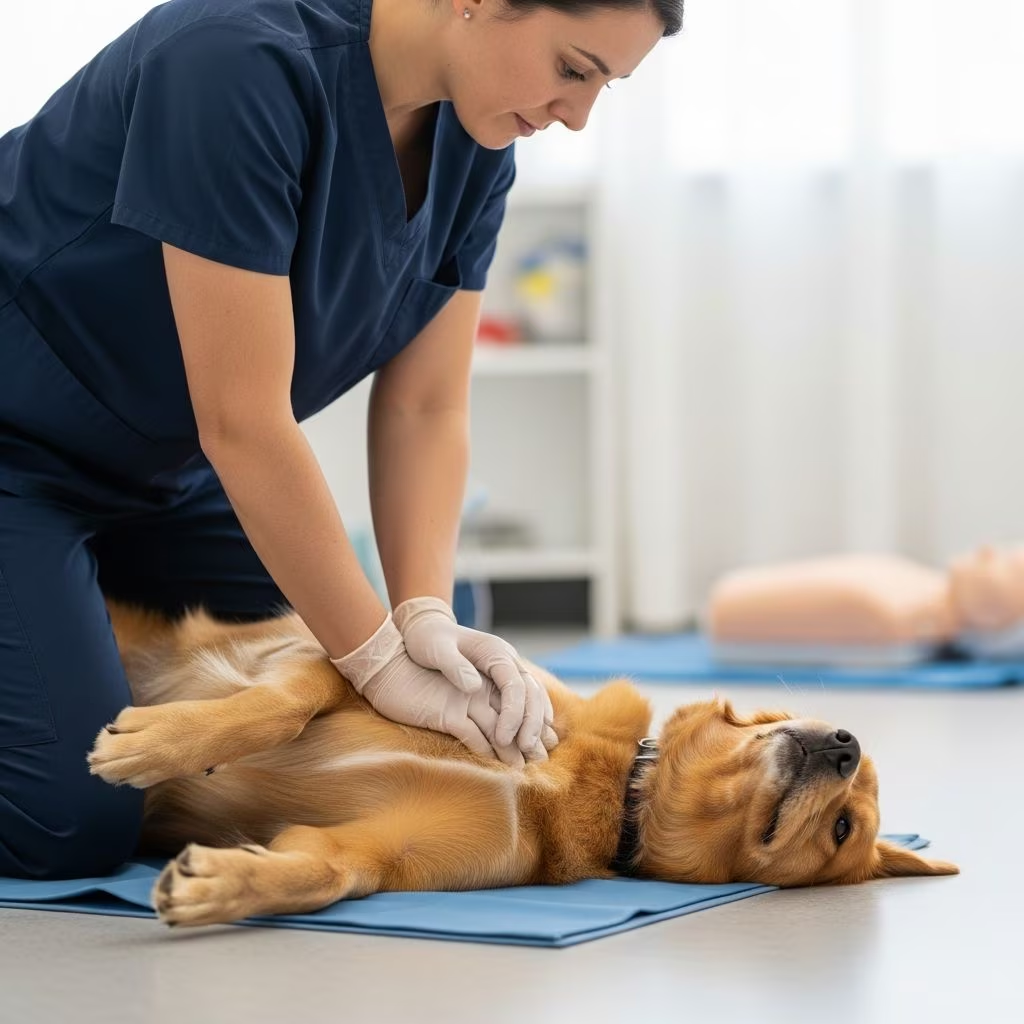
In critical moments when a dog’s heart stops or breathing ceases, knowing how to perform CPR can make the difference between life and death. This comprehensive guide equips pet owners with the knowledge to respond effectively, drawing from established veterinary protocols to ensure safe and efficient intervention.
Recognizing When Your Dog Needs CPR
Cardiopulmonary resuscitation becomes necessary when a dog shows no signs of normal vital functions. First, check for responsiveness by calling the dog’s name and gently tapping or shaking its body. If there’s no reaction, observe for breathing: place your hand near the nostrils or watch the chest for movement. Absence of breath within 10 seconds indicates a problem.
Next, assess circulation by feeling for a heartbeat on the left side of the chest, behind the elbow where the front leg meets the body, or check the femoral pulse inside the upper hind leg. No detectable pulse or heartbeat confirms the need for immediate action. Always ensure safety for yourself and the dog by moving to a flat, firm surface away from hazards.
Preparing the Scene and Positioning
Before starting compressions, position the dog correctly. For most breeds, lay the dog on its right side with the spine facing you. This aligns the heart optimally for compressions. Exceptions apply to flat-chested breeds like Bulldogs or Pugs, which should be placed on their back to access the sternum directly.
Kneel beside the dog, ensuring your shoulders are perpendicular to the chest. Engage your core muscles and lock your elbows to deliver effective force without straining. If possible, enlist a helper to call a veterinarian or prepare for transport to an emergency clinic while you begin CPR.
Tailored Chest Compression Methods by Dog Size
Chest compressions mimic the heart’s pumping action to circulate blood. Perform them at 100-120 per minute, roughly matching the rhythm of “Staying Alive” by the Bee Gees. Depth should be one-third to one-half the chest width, allowing full recoil between each push to refill the heart with blood.
| Dog Size/Shape | Weight Range | Hand Position | Technique Notes |
|---|---|---|---|
| Small Dogs | Under 11 lbs (5 kg) | Wrap fingers around chest, thumb on top | Squeeze gently; use other hand for stability |
| Medium Dogs | 21-50 lbs | Over widest chest point | Hands stacked, elbows locked |
| Large/Giant Dogs | 51+ lbs | Over widest chest or heart | Use body weight; lean from hips |
| Deep-Chested (e.g., Greyhounds) | Varies | Directly over heart | Elbow point marks location |
| Flat-Chested (e.g., Bulldogs) | Varies | On sternum (on back) | Focus on breastbone midline |
To locate the compression point, extend the dog’s elbow toward the chest; the point where it touches is near the heart. For wider chests, find the ribcage’s highest point laterally.
Delivering Rescue Breaths Correctly
After 30 compressions, pause for rescue breaths to oxygenate the blood. Close the dog’s mouth firmly with one hand, extend the neck straight with the spine, and seal your mouth over both nostrils. Deliver two quick breaths, each lasting about one second, watching for chest rise. If no rise, reposition and try again—avoid overinflation to prevent stomach bloating or lung damage.
For larger dogs, you may need to partially cover nostril sides for a better seal. Small breeds might require gentler puffs. Always stop compressions before breathing to allow air into the lungs properly.
The Complete CPR Cycle and Duration
The standard ratio is 30 compressions followed by 2 breaths, repeating continuously. Aim for cycles of 2 minutes before reassessing heartbeat and breathing. Fatigue sets in quickly, so switch rescuers every 2 minutes if help is available. Continue until the dog shows signs of recovery—like breathing, a pulse, or movement—or professional help arrives.
- Minute 1-2: 30:2 cycle x 4
- Reassess: Check pulse/breathing
- Continue if needed; prepare transport
Even if successful, rush to a vet—CPR buys time but doesn’t treat underlying issues like drowning, trauma, or poisoning.
Breed-Specific Adjustments for Optimal Results
Dogs vary anatomically, so adapt techniques:
- Sighthounds (Greyhounds, Whippets): Narrow, deep chests require heart-direct compressions to avoid ineffective side pressure.
- Brachycephalics (Pugs, Boston Terriers): Prone to airway issues; ensure tongue is pulled forward first.
- Toy Breeds (Chihuahuas, Yorkies): Delicate ribs demand precise, lighter squeezes to prevent fractures.
- Working Breeds (Labs, Shepherds): Robust chests need full body leverage for adequate depth.
Practice on a stuffed toy or take a pet first aid course for muscle memory.
Common Mistakes to Avoid During CPR
Errors reduce effectiveness:
- Insufficient depth: Compress fully—hesitation wastes time.
- No full recoil: Leaning prevents blood return.
- Breathing during compressions: Air goes to stomach, not lungs.
- Ignoring airway: Clear obstructions first.
- Stopping too soon: Persist until help arrives.
Hyperventilation risks gastric dilation; stick to the 30:2 ratio precisely.
Post-CPR Care and Veterinary Follow-Up
If the dog revives, monitor closely: place in recovery position (on side, head extended), keep warm, and transport immediately. Signs of success include coughing, gasping, or pulse return. At the clinic, expect diagnostics like X-rays or bloodwork to address root causes.
Success rates improve with prompt action—studies show bystander CPR doubles survival odds in veterinary emergencies.
Training Resources and Practice Tips
Enroll in certified pet CPR classes from organizations like the American Red Cross or local vet associations. Use mannequins for hands-on practice. Apps with metronomes help maintain rhythm. Regular drills build confidence for real scenarios.
Frequently Asked Questions
Can I perform CPR on a choking dog?
Address choking first by clearing the airway (Heimlich maneuvers), then proceed to CPR if no breathing resumes.
How long should I do CPR before stopping?
Continue until the dog responds, a vet takes over, or exhaustion forces a break—ideally, don’t stop alone.
Is dog CPR different from human CPR?
Yes: dogs breathe through nostrils (mouth-to-snout), side positioning, and breed-adjusted compressions.
What if my dog has a weak pulse but is breathing?
Monitor closely; full CPR isn’t needed, but seek vet care urgently.
Will CPR break my dog’s ribs?
Possible in small breeds if too forceful, but it’s a risk worth taking to save a life—proper technique minimizes injury.
References
- How To Perform CPR on a Dog — PetMD. Accessed 2026. https://www.petmd.com/dog/general-health/how-to-perform-cpr-on-a-dog
- CPR for Dogs and Puppies — People’s Dispensary for Sick Animals (PDSA). 2023-01-01. https://www.pdsa.org.uk/pet-help-and-advice/pet-health-hub/other-veterinary-advice/cpr-for-dogs-and-puppies
- CPR for your DOG or CAT — Cornell University College of Veterinary Medicine. 2018-01-10. https://www.vet.cornell.edu/sites/default/files/BakerInstitute-CRPInfrographic-01102018_2.pdf
- How To Perform CPR To Your Pet – Cat And Dog CPR — Animal Emergency Service. Accessed 2026. https://animalemergencyservice.com.au/blog/cat-and-dog-cpr/
- Dog CPR: A Step-by-Step Emergency Guide — Garden State Veterinary Specialists. Accessed 2026. https://www.gsvs.org/staten-island-ny/blog/dog-cpr-step-by-step-emergency-guide/



