

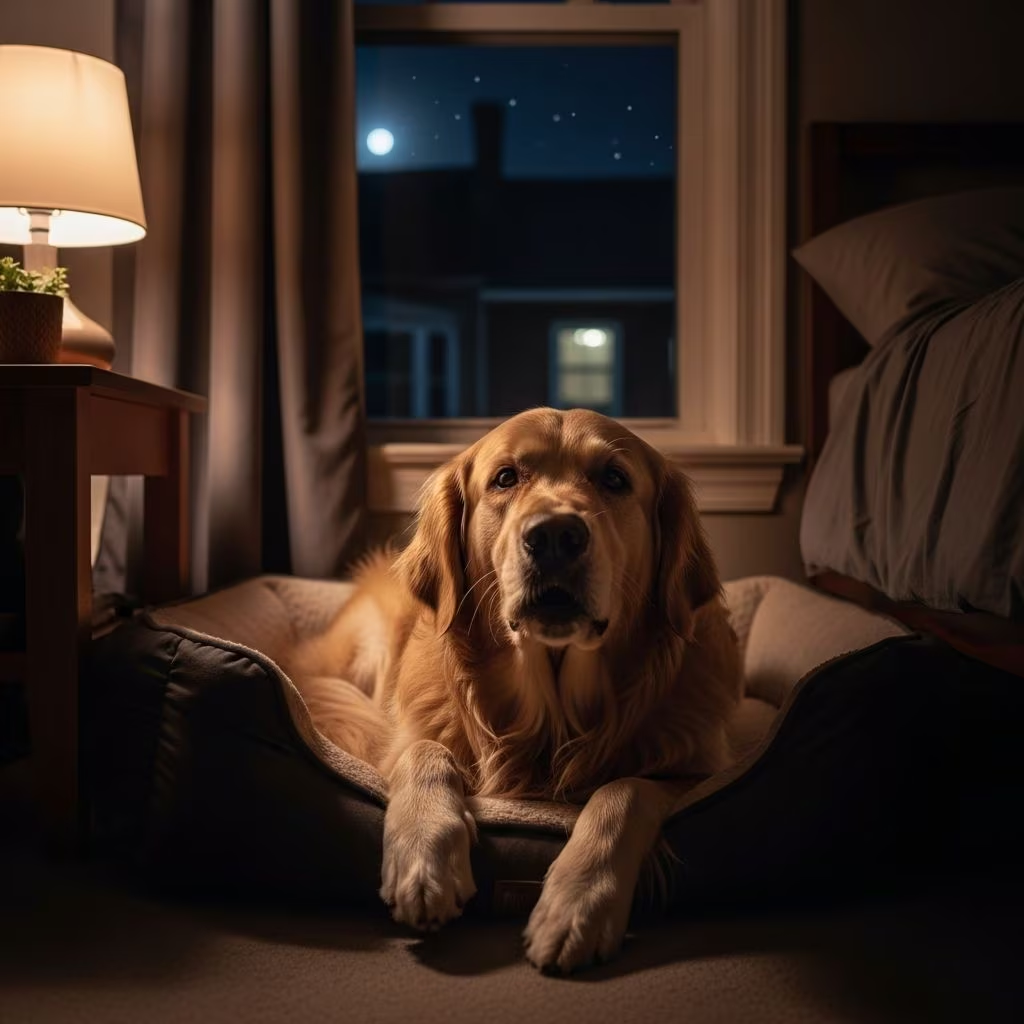
Your dog’s coughing at night can disrupt sleep for both of you and signal underlying health concerns ranging from minor irritations to life-threatening conditions. Understanding the patterns, sounds, and triggers helps in timely intervention.
Recognizing Different Types of Coughs in Dogs
Dogs exhibit various cough types, each hinting at specific issues. A dry, hacking cough often points to infections like kennel cough, while a wet, productive one suggests pneumonia or fluid buildup.
- Dry Cough: Harsh and persistent, common in kennel cough or tracheal issues, worsening with excitement.
- Wet Cough: Moist with phlegm, linked to infections or heart-related fluid in lungs.
- Honking Cough: Goose-like sound typical of collapsing trachea in small breeds.
- Gagging Cough: Sounds like retching, often from throat irritation or post-nasal drip.
Nighttime coughing specifically may intensify when lying down, as gravity affects fluid or irritant distribution in the airways.
Primary Causes Behind Nighttime Coughing
Several factors contribute to coughing that peaks during rest. Identifying the root cause requires observing accompanying symptoms.
Infectious Respiratory Issues
Kennel cough, caused by Bordetella or viruses, spreads easily in social settings and produces a dry cough that can persist at night. Canine influenza or pneumonia adds wetness and lethargy.
Heart Conditions
Heart disease, especially congestive heart failure, leads to pulmonary edema, causing coughs worse at night due to fluid pooling when recumbent. Senior dogs and small breeds are prone.
Airway Structural Problems
Tracheal collapse weakens windpipe cartilage, triggering honking coughs exacerbated by position changes or excitement. Chronic bronchitis inflames airways, producing stubborn dry coughs from irritants like smoke.
Allergies and Environmental Triggers
Pollen, dust, mold, or household chemicals provoke allergic responses mimicking infections. These often worsen indoors at night.
| Cause | Common Breeds/Age | Nighttime Trigger |
|---|---|---|
| Heart Disease | Seniors, small breeds | Fluid buildup when lying down |
| Kennel Cough | All ages | Post-exposure irritation |
| Tracheal Collapse | Toy breeds | Position shifts |
| Allergies | Any | Indoor allergens |
Symptoms Requiring Immediate Veterinary Attention
Not all coughs demand urgency, but certain signs escalate risks. Monitor for these red flags.
- Coughing blood, foam, or colored mucus.
- Labored breathing, blue gums, or collapse.
- Lethargy, appetite loss, or fever.
- Coughs disrupting sleep or lasting over days.
Record a video of the cough for your vet—it aids precise diagnosis.
Diagnostic Approaches for Coughing Dogs
Vets use a multi-step process to pinpoint causes. Start with history and physical exam, then advance as needed.
- Physical Exam: Listen to lungs, check heart, assess trachea.
- X-rays: Reveal pneumonia, heart enlargement, or collapse.
- Blood Tests: Detect infections, heartworm, or inflammation.
- Endoscopy: Visualize airways for foreign objects or tumors.
- Echocardiogram: For suspected cardiac issues.
Early diagnosis improves outcomes, especially for progressive conditions like bronchitis.
Treatment Options Tailored to the Cause
Treatments vary by diagnosis but focus on symptom relief and root resolution.
- Infections: Antibiotics for bacterial components, cough suppressants.
- Heart Disease: Diuretics, ACE inhibitors, diet changes.
- Tracheal Collapse: Harness over collar, weight management, stents in severe cases.
- Allergies: Antihistamines, air purifiers, hypoallergenic environments.
Supportive care like humidifiers eases irritation universally.
Preventive Strategies to Minimize Coughing Risks
Proactive measures reduce incidence.
- Vaccinate against kennel cough and distemper.
- Use heartworm preventives year-round.
- Avoid smoke, strong cleaners; maintain clean air.
- Regular check-ups for at-risk breeds.
- Prevent obesity to lessen tracheal strain.
Home Remedies and When to Avoid Them
While awaiting vet care, honey (1/2 tsp for small dogs) soothes throats, but never medicate without advice—human drugs can harm. Elevate bedding to aid drainage for heart cases.
Frequently Asked Questions (FAQs)
Is kennel cough dangerous at night?
It rarely endangers healthy dogs but can progress to pneumonia in vulnerable ones; isolate and consult vet.
Why does coughing worsen when my dog lies down?
Fluid or mucus shifts with position, common in heart failure or infections.
Can allergies cause nighttime coughs?
Yes, accumulated indoor allergens trigger responses during rest.
How long before seeing a vet for coughing?
If over 2-3 days, with distress, or other symptoms, seek care promptly.
Is tracheal collapse treatable?
Managed with lifestyle changes; surgery for advanced cases.
This comprehensive guide equips you to address your dog’s nighttime coughing effectively. Always prioritize professional veterinary evaluation for personalized care.
References
- Why Is My Dog Coughing? Signs, Causes, and Treatment — Spot and Tango. 2023. https://www.spotandtango.com/blog/why-is-my-dog-coughing
- Why Is My Dog Coughing? — GoodRx. 2024. https://www.goodrx.com/pet-health/dog/dog-coughing
- Why Do Dogs Cough? — Blue Cross. 2023. https://www.bluecross.org.uk/advice/dog/health-and-injuries/why-do-dogs-cough
- Common Causes of Coughing in Dogs — Trudell Animal Health. 2024. https://trudellanimalhealth.com/blogs/blog/common-causes-of-coughing-in-dogs
- Why Is My Dog Coughing? Understanding Canine Coughs — Aliso Viejo Vet. 2023. https://alisoviejovet.com/blog/why-is-my-dog-coughing-understanding-canine-coughs-and-when-to-see-a-vet/
- Why Is My Dog Coughing? Urgent Signs — GSVS. 2024. https://gsvs.org/blog/why-dog-coughing-emergency/



