Dog Coughs After Drinking: Causes and Fixes
Discover why your dog coughs after drinking water and get practical steps to help them breathe easier today.
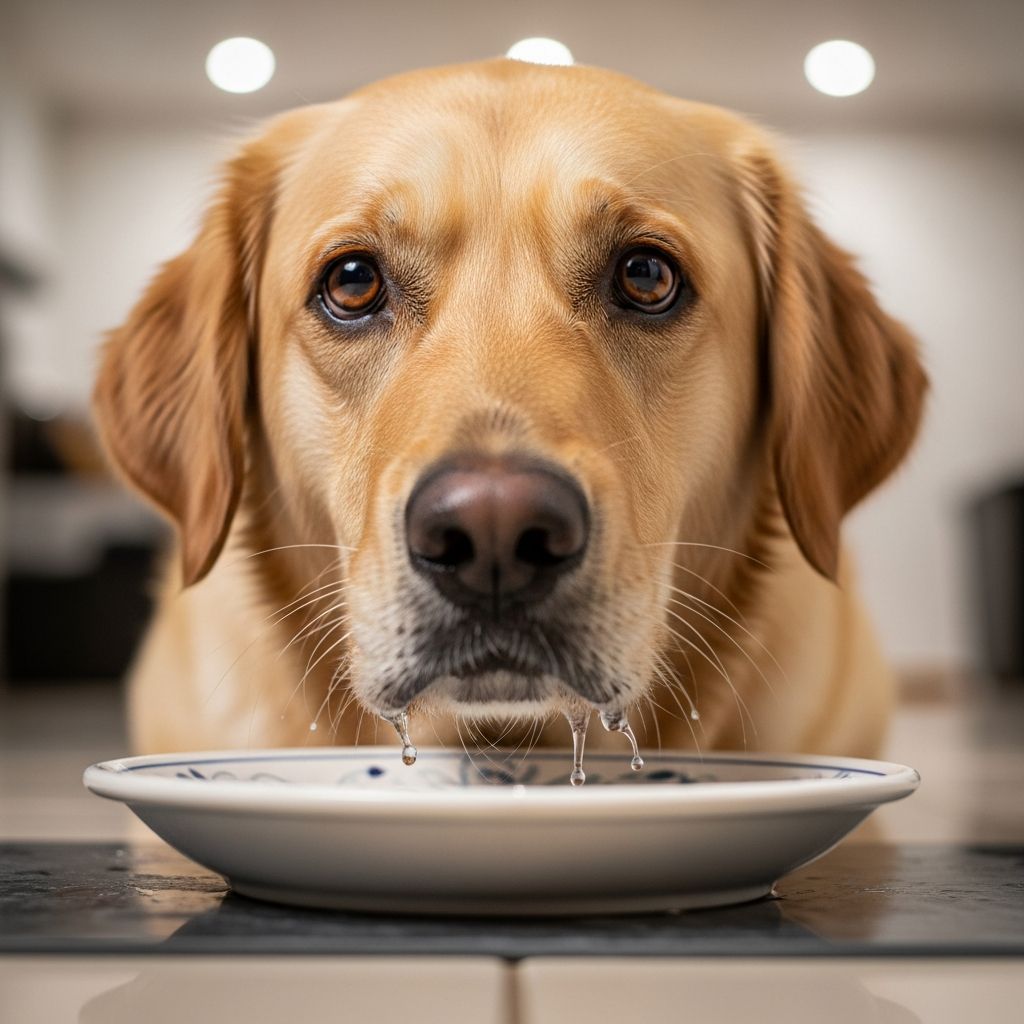
Observing your dog cough right after taking a drink can spark worry, but it’s a frequent occurrence with multiple explanations ranging from harmless habits to medical concerns. This guide explores the primary triggers behind this behavior, offers ways to pinpoint the issue, and provides strategies to ease it, ensuring your pet stays comfortable and healthy.
Understanding the Coughing Reflex in Dogs
Dogs possess a sophisticated respiratory system where the trachea, or windpipe, directs air to the lungs while the esophagus handles food and water. Coughing serves as a protective mechanism to remove irritants or fluids from the airway. When water mistakenly enters the trachea—a mishap known as aspiration—the body prompts a cough to clear it out. This reflex proves vital but can signal deeper problems if persistent.
Typically, a brief cough post-drinking resolves swiftly as the airway clears. However, repeated episodes merit attention, especially alongside symptoms like lethargy, nasal discharge, or breathing difficulties. Owners often note this in energetic pups or those in dusty settings, highlighting environmental influences on airway sensitivity.
Everyday Reasons for Post-Drinking Coughs
Many cases trace back to simple behavioral patterns rather than illness. Recognizing these helps differentiate normal from concerning scenarios.
- Rapid Water Consumption: Dogs prone to gulping water, particularly after play or in hot weather, risk inhaling liquid into their trachea. The epiglottis—a flap covering the windpipe—may fail to seal quickly enough during hasty swallows, prompting coughs.
- Post-Exercise Thirst: After runs or fetch sessions, dogs pant heavily and drink fervently. This mix of open-mouth breathing and fast intake heightens aspiration chances, leading to temporary coughing fits.
- Excitement-Induced Gulping: Puppies or high-energy breeds like Labs often get overly thrilled at mealtime or water breaks, causing regurgitation or coughs as they clear their throats.
To curb these, slow down drinking with specialized bowls featuring obstacles or ice cubes that prolong sips. Splitting water into smaller, frequent offerings also prevents overload.
Respiratory Infections and Their Role
Infections frequently irritate the airways, amplifying coughing after drinks. Kennel cough, or infectious tracheobronchitis, stands out as a prime suspect. This highly contagious condition, spread in dog-dense areas like parks or boarding facilities, inflames the trachea and bronchi.
Symptoms include a dry, hacking cough worsened by swallowing water, mimicking a honk or goose-like sound. While often self-limiting in healthy dogs, it demands isolation to curb spread. Vaccines offer partial protection, but boosters remain key for frequent socializers.
Other infections like bronchitis or pneumonia present similarly, with added signs such as fever, appetite loss, or labored breaths. Aspiration pneumonia, stemming from repeated water inhalation, poses greater risk, potentially scarring lungs if untreated.
| Condition | Key Symptoms | Triggers After Drinking |
|---|---|---|
| Kennel Cough | Hacking cough, mild fever | Throat irritation from swallow |
| Bronchitis | Wet cough, lethargy | Airway inflammation |
| Aspiration Pneumonia | Persistent cough, breathing issues | Fluid in lungs |
Tracheal Conditions in Vulnerable Breeds
Structural weaknesses in the trachea affect certain dogs profoundly. Collapsed trachea, prevalent in toy breeds like Chihuahuas, Pomeranians, and Yorkies, involves weakening cartilage rings that flatten under pressure. Drinking exerts force on the throat, triggering a distinctive honking cough.
Hypoplastic trachea, a congenital narrowing, similarly impedes airflow, especially during swallows. Brachycephalic breeds—Pugs, Bulldogs—with short snouts face heightened risks due to elongated soft palates and narrow nostrils, complicating water passage.
Diagnosis involves vet exams, X-rays, or fluoroscopy to visualize collapse. Management includes weight control, harnesses over collars, and medications like cough suppressants or bronchodilators. Surgery corrects severe cases.
Environmental and Allergic Triggers
Non-infectious irritants provoke coughing too. Dust, pollen, smoke, or household cleaners near water bowls sensitize the trachea. Allergens cause chronic inflammation, where even water contact sparks spasms.
- Relocate bowls to clean, ventilated spots.
- Use air purifiers or hypoallergenic filters.
- Avoid strong scents during watering.
Foreign objects, like grass seeds, lodged in the throat amplify reactions post-drink. Scope checks by vets confirm these.
When to Seek Veterinary Help
Not all coughs warrant alarm, but watch for red flags:
- Coughs lasting over days or worsening.
- Blue gums, collapse, or extreme fatigue.
- Cough with blood, foam, or odd sounds.
- Refusal to eat/drink or weight loss.
Immediate ER visits suit breathing emergencies. Routine checks suit milder persistence. Vets may prescribe antibiotics for infections, steroids for inflammation, or diagnostics like bloodwork/endoscopy.
Home Remedies and Prevention Tips
Support vet care with these:
- Slow-Feed Bowls: Maze designs extend drinking time.
- Elevated Stations: Align head/neck to ease swallowing, ideal for seniors/flat-faced breeds.
- Hydration Monitoring: Ensure fresh water; add broth for appeal without gulping.
- Calm Environment: Quiet zones reduce excitement.
- Regular Vet Visits: Catch issues early via checkups.
Humidifiers soothe dry airways, especially in arid climates. Steer clear of OTC human meds—toxins abound for dogs.
Frequently Asked Questions
Is coughing after water always serious?
No, often it’s just fast drinking, but track patterns and consult vets for repeats.
How does kennel cough differ from collapse?
Kennel cough is infectious with dry hacks; collapse yields honks, breed-specific, chronic.
Can diet influence this?
Obesity stresses tracheas; lean weight aids breathing. Soft foods minimize gulping.
What if my dog gags too?
Gagging signals regurgitation or blocks; urgent vet eval needed.
Prevention for multi-dog homes?
Vaccinate, quarantine newcomers, sanitize shared bowls.
Long-Term Management Strategies
For chronic cases, lifestyle tweaks prove transformative. Harness training prevents collar pull-induced flares. Weight management via portion control and walks bolsters respiratory health. Supplements like omega-3s reduce inflammation, per vet okay.
Monitor via apps logging cough frequency/symptoms, aiding vet discussions. Breeds prone to issues benefit from genetic screenings pre-adoption.
Understanding nuances empowers owners. Most dogs thrive with prompt, informed action—turning worry into wellness.
References
- Dog Coughs and Gags After Drinking Water: Causes and Solutions — UAH Pet. 2023. https://www.uahpet.com/blogs/post/dog-coughs-and-gags-after-drinking-water-causes-and-solutions
- Why Dogs Cough After Drinking Water — Bow Wow Labs. 2023. https://www.bowwowlabs.com/blogs/news/why-dogs-cough-after-drinking-water
- Dog Coughs After Drinking Water: Causes and Solutions — UAH Pet. 2023. https://www.uahpet.com/blogs/post/dog-coughs-after-drinking-water-causes-and-solutions
- Why Does My Dog Cough After Drinking Water? 6 Vet-Reviewed Reasons — Dogster. 2023. https://www.dogster.com/dog-health-care/why-do-dogs-cough-after-drinking-water
- Does Your Dog Cough After Drinking Water? Here Is Why — iClean Dog Wash. 2023. https://icleandogwash.com/en/news/does-your-dog-cough-after-drinking-water-here-is-why
- Dog Coughs After Drinking Water — Whole Dog Journal. 2023. https://www.whole-dog-journal.com/health/dog-coughs-after-drinking-water/
Similar Articles








Read full bio of Sneha Tete