

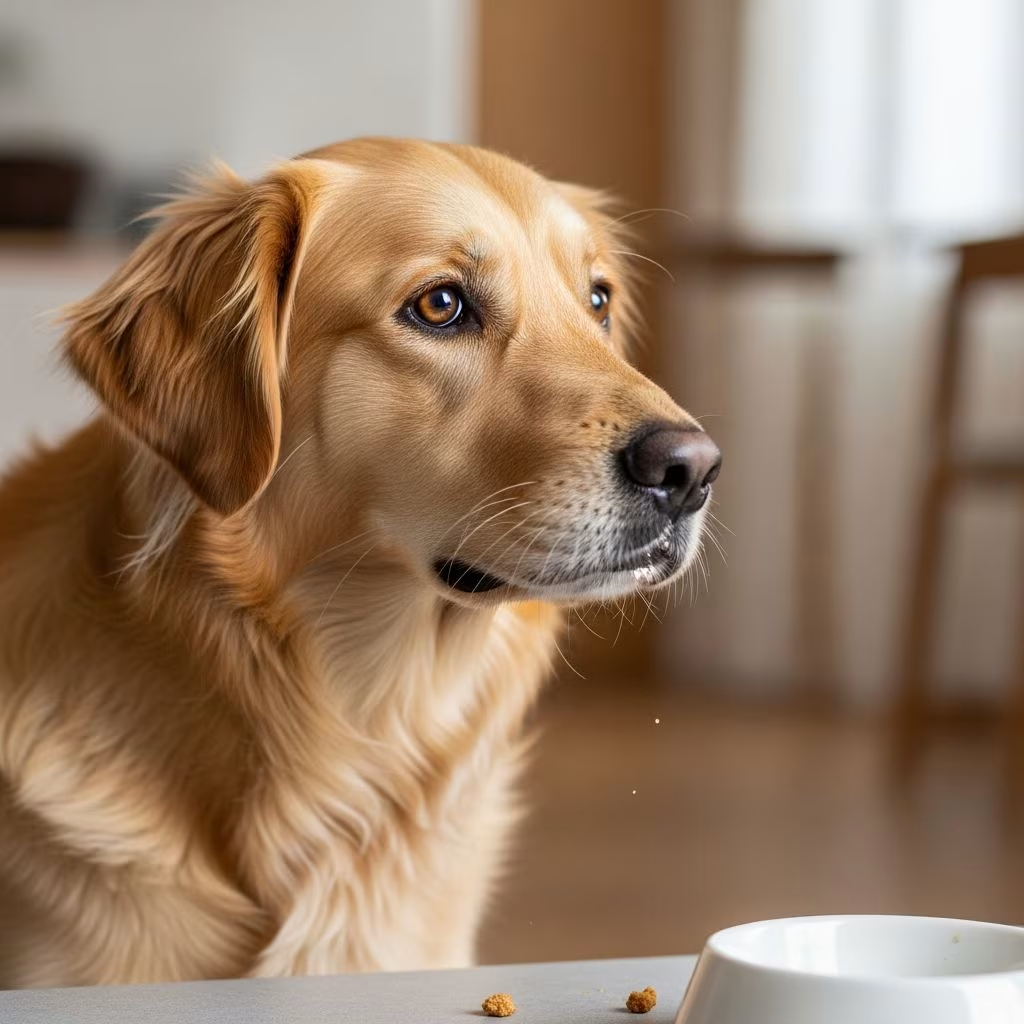
Observing your dog cough right after eating can be alarming for any pet owner. This symptom often points to issues ranging from harmless habits to underlying medical conditions that require prompt attention. Understanding the triggers helps in providing timely care and preventing complications like pneumonia.
Recognizing the Signs of Coughing After Eating
A cough in dogs after meals might sound like a honk, hack, or gag, distinguishing it from normal breathing. It typically occurs immediately post-meal or during excited eating. Accompanying signs include regurgitation, lethargy, noisy breathing, or exercise intolerance, signaling the need for veterinary evaluation.Key indicators to monitor include frequency, duration, and any blood or foam in the cough.
- Honking cough: Often linked to tracheal issues.
- Wet cough with mucus: Suggests infection or fluid buildup.
- Dry, persistent hacking: May indicate inflammation or allergies.
Common Behavioral Causes
Many cases stem from everyday behaviors rather than disease. Dogs that devour food rapidly inhale air and particles, irritating the throat and prompting coughs.
Eating Habits and Speed
Rapid eaters gulp kibble without chewing, allowing bits to enter airways. This is prevalent in multi-dog homes or with highly food-motivated breeds. Slowing intake reduces incidents significantly.
| Strategy | Benefits | Implementation |
|---|---|---|
| Slow feeder bowls | Extends meal time | Place puzzle toys in bowl |
| Smaller portions | Prevents gulping | Feed 3-4 times daily |
| Elevated bowls | Reduces air swallow | Use stand for large breeds |
Respiratory and Airway Disorders
Inflammation in the throat or bronchi often worsens with swallowing, as food passage agitates sensitive tissues.
Kennel Cough and Infections
Canine infectious tracheobronchitis, known as kennel cough, causes irritation exacerbated by eating. Highly contagious, it spreads in boarding or dog parks. Puppies and unvaccinated dogs are at higher risk, with symptoms including persistent coughs triggered by meals.Vaccination mitigates severity, though antibiotics treat secondary infections.
Tracheal Collapse in Small Breeds
Common in toy breeds like Chihuahuas and Pomeranians, the windpipe weakens, collapsing under pressure from collars or excitement during feeds. A distinctive goose-like honk follows meals. Management includes weight control, harnesses, and cough suppressants; surgery for severe cases.
Swallowing and Laryngeal Problems
The larynx directs food to the esophagus, averting lungs. Dysfunction leads to misdirection, causing coughs and aspiration risks.
Laryngeal Paralysis
Prevalent in older large breeds like Labradors, paralyzed vocal folds fail to close properly during swallowing. Dogs exhibit noisy pants, collapse post-exercise, and frequent post-meal coughs. Diagnosis via laryngoscope; treatments range from medications to surgical tie-back procedures.
Breeds Prone to Airway Challenges
Brachycephalic breeds such as Bulldogs and Pugs face anatomical hurdles. Shortened muzzles promote BOAS (Brachycephalic Obstructive Airway Syndrome), where soft palates and narrow nostrils hinder airflow. Eating aggravates reflux and throat swelling, inducing coughs. Surgical corrections like palate resection improve breathing.
Esophageal and Digestive Issues
Problems in the esophagus trap food, leading to regurgitation and inhalation.
Megaesophagus and Motility Disorders
This dilation prevents peristalsis, pooling food for later aspiration. Congenital in some breeds, acquired in others via myasthenia gravis. Elevating food bowls and vertical feeding positions aid gravity-assisted swallowing. Prognosis varies with complication management.
- Symptoms: Regurgitation of undigested food, weight loss.
- Diagnosis: Barium swallow X-rays.
- Treatment: Dietary changes, prokinetics.
Heart and Systemic Conditions
Cardiac issues fluid-accumulate in lungs, pressing airways and causing coughs post-meal when blood flow peaks.
Congestive Heart Failure
Enlarged hearts compress bronchi, eliciting soft coughs. Seen in seniors with lethargy and fainting. Echocardiograms confirm; diuretics and ACE inhibitors manage.
Heartworm Disease
Parasites inflame pulmonary arteries, mimicking other coughs. Preventives are crucial in endemic areas.
Other Potential Triggers
Allergies to food proteins inflame airways, while pancreatitis induces gagging coughs from abdominal discomfort. Toxins or foreign bodies like grass seeds also provoke reactions.
When to Seek Veterinary Help
Isolated coughs may resolve, but patterns demand checks. Urgency rises with breathing distress, blue gums, or blood.
- Emergency: Collapse, cyanosis, severe distress.
- Soon: Persistent coughs, weight loss, gagging.
Vets use X-rays, endoscopes, bloodwork for pinpointing causes.
Home Management Strategies
While awaiting vet visits:
- Switch to harnesses.
- Opt for soft, moist foods.
- Maintain ideal weight.
- Humidify air for irritated throats.
Preventive Measures for Long-Term Health
Regular check-ups, vaccinations, heartworm preventives, and breed-specific screenings avert many issues. Monitor eating and adjust environments proactively.
Frequently Asked Questions (FAQs)
Is coughing after eating always serious in dogs?
Not always; fast eating causes many cases, but persistent ones warrant vet review to rule out diseases.
Can diet changes stop my dog’s cough?
Hydrolyzed or novel protein diets help allergy-related coughs; consult vets for tailored plans.
How does kennel cough differ from heart issues?
Kennel cough is acute, contagious with honks; heart coughs are chronic, soft, with fatigue.
What breeds are most affected by tracheal collapse?
Small breeds like Yorkies, Shih Tzus; obesity accelerates onset.
Can surgery fix laryngeal paralysis?
Yes, unilateral arytenoid lateralization improves airflow, though risks exist.
References
- Why Is My Dog Coughing After Eating? 6 Vet-Verified Causes — Dogster. 2023-10-15. https://www.dogster.com/dog-health-care/dog-coughing-after-eating
- Why Does My Dog Cough When Eating? Causes & Solutions — Pets4Homes. 2024-05-22. https://www.pets4homes.co.uk/pet-advice/why-does-my-dog-cough-when-eating.html
- Why Is My Dog Coughing? Signs, Causes, and Treatment — Spot and Tango. 2024-02-10. https://www.spotandtango.com/blog/why-is-my-dog-coughing
- Why Is My Dog Coughing? Signs, Causes, and Treatment — PetMD. 2025-01-08. https://www.petmd.com/dog/symptoms/why-is-my-dog-coughing
- Common Causes of Coughing in Dogs — Trudell Animal Health. 2024-11-03. https://trudellanimalhealth.com/blogs/blog/common-causes-of-coughing-in-dogs



