

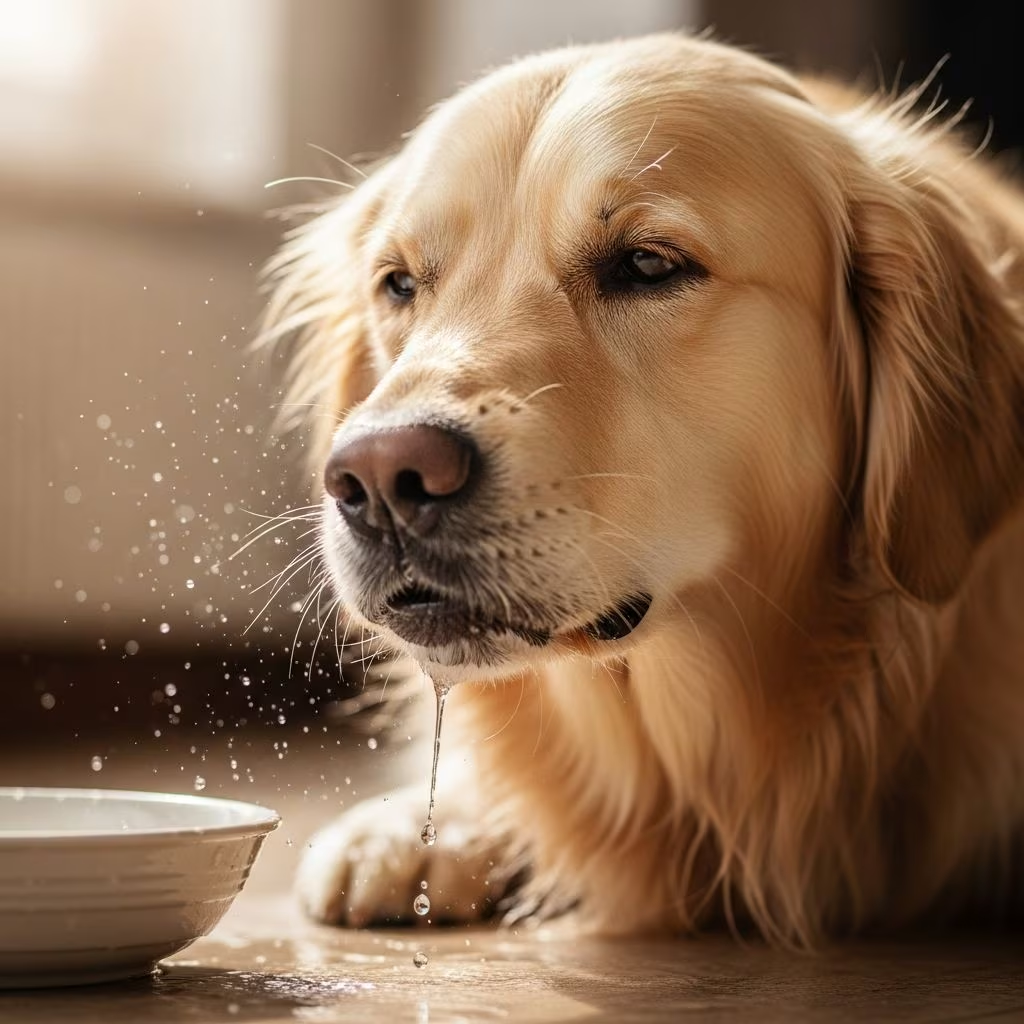
Many dog owners have witnessed their pets cough or gag immediately after taking a drink of water. While occasional coughing might seem like a minor inconvenience, persistent post-drinking coughing can indicate underlying health issues that warrant attention. Understanding what triggers this behavior and when to consult a veterinarian is essential for maintaining your dog’s respiratory health and overall wellbeing.
The Mechanics of Normal Swallowing in Dogs
To understand why coughing occurs after drinking, it’s helpful to first examine how dogs normally swallow liquids. Your dog’s throat contains two critical structures: the trachea and the esophagus. The trachea, commonly called the windpipe, is the tube that carries air from the throat to the lungs. The esophagus is a separate tube-like structure that transports food and water from the mouth to the stomach.
During normal swallowing, water should travel down the esophagus toward the digestive system. However, when water accidentally enters the trachea instead, the body recognizes this as a threat to the airway. The coughing reflex is then triggered as a protective mechanism to expel the foreign liquid and restore normal airflow to the lungs.
Rapid Drinking: The Most Common Culprit
The single most frequent reason dogs experience post-drinking coughing is simply drinking too quickly. When a dog gulps water rapidly, the liquid can enter the windpipe instead of the esophagus, triggering an immediate coughing response. This is a natural reflex and generally not a cause for concern if it happens occasionally.
Several factors can contribute to rapid drinking behavior:
- Excessive thirst due to hot weather or dehydration
- Competition with other pets for water access
- Drinking at awkward angles that make proper swallowing difficult
- Excitement or anxiety around meal and water times
- Puppies who haven’t yet learned proper drinking techniques
If your dog occasionally coughs after drinking while otherwise appearing healthy, rapid consumption is likely the explanation. However, when coughing becomes persistent or is accompanied by other symptoms, a more serious underlying condition may be present.
Excitement and Physical Activity as Contributing Factors
Dogs that are overly excited or have just completed vigorous exercise may drink water too quickly, leading to coughing and gagging. The combination of heavy breathing following physical exertion and rapid water intake can make proper swallowing considerably more difficult.
To minimize this risk, pet owners should avoid allowing their dogs to drink immediately after intense play or exercise. Allowing your dog to calm down and regulate their breathing for several minutes before offering water can significantly reduce the likelihood of aspiration-related coughing. This simple preventative measure is particularly important for high-energy dogs that become especially enthusiastic about water access.
Respiratory Infections and Infectious Coughing
Beyond behavioral causes, infectious diseases represent a significant category of post-drinking cough triggers. Kennel cough, also known as infectious tracheobronchitis, is a highly contagious respiratory infection that commonly causes coughing in dogs. Dogs exposed to other animals in kennels, dog parks, grooming salons, or other communal spaces may contract this infection.
Additional respiratory infections can also trigger coughing after drinking:
- Pneumonia, which can lead to persistent coughing and difficulty breathing
- Viral infections affecting the respiratory tract
- Bacterial infections that inflame the airways
If your dog has kennel cough or pneumonia, symptoms typically include lethargy, fever, and nasal discharge in addition to the coughing. These infections require prompt veterinary attention to prevent complications and ensure proper treatment with appropriate medications.
Structural Problems of the Windpipe
Several structural abnormalities affecting the trachea can predispose dogs to coughing when drinking water. These conditions range from congenital defects present from birth to degenerative issues that develop over time.
Collapsed Trachea
A collapsed trachea is one of the most common tracheal problems in dogs, particularly affecting small breed dogs. In this condition, the cartilage rings that normally support and maintain the structure of the windpipe gradually weaken and lose their rigidity. When the trachea collapses upon itself, it becomes flattened and narrowed, obstructing airflow.
Drinking water can exacerbate symptoms in dogs with tracheal collapse. Many affected dogs produce a distinctive honking cough, sometimes described as similar to a goose’s call, which may intensify during excitement, after pulling on a leash, or when drinking. Factors that increase collapse risk include genetics, age, obesity, chronic respiratory conditions, and certain hormonal imbalances.
Veterinarians can diagnose tracheal collapse through physical examination, X-rays, and sometimes additional imaging studies. Treatment approaches range from conservative management with weight control and anti-inflammatory medications to surgical intervention in severe cases.
Hypoplastic Trachea
Hypoplastic trachea is an inherited genetic condition characterized by an underdeveloped windpipe. The cartilage rings comprising the trachea fail to grow to their normal size or width, resulting in a narrowed airway. This condition predominantly affects puppies of small and brachycephalic (short-nosed) breeds.
When a young puppy coughs consistently after drinking water, particularly if they belong to a small breed predisposed to this condition, hypoplastic trachea should be considered. This serious inherited condition requires veterinary evaluation and may necessitate specialized management throughout the dog’s life.
Aspiration Pneumonia: When Drinking Goes Wrong
One of the most serious complications associated with water entering the lungs is aspiration pneumonia. This condition develops when water or other foreign material inhaled through the trachea reaches the lungs, causing inflammation or infection. Dogs with difficulty swallowing for any reason face elevated risk of developing aspiration pneumonia when drinking.
Symptoms of aspiration pneumonia include persistent coughing, labored breathing, lethargy, and sometimes fever. Unlike the temporary coughing that results from accidental water inhalation, aspiration pneumonia represents a medical emergency requiring immediate veterinary intervention. The condition can progress rapidly, potentially becoming life-threatening if left untreated.
Foreign Objects and Throat Obstructions
Dogs are notorious for consuming items they shouldn’t, including small toys, bone fragments, plant material, and various household items. When foreign objects become lodged in the throat or esophagus, they create irritation that worsens when the dog attempts to drink water.
Signs of a foreign body obstruction include:
- Difficulty swallowing or reluctance to eat
- Pawing at the mouth or throat
- Excessive drooling or gagging
- Coughing triggered or worsened by drinking
- Loss of appetite
A foreign body in the throat or esophagus constitutes a veterinary emergency. These objects can cause serious damage to the throat structures and create choking hazards. Immediate professional evaluation and removal are necessary to prevent life-threatening complications.
Allergic Reactions and Environmental Irritants
Dogs with food allergies or environmental sensitivities may develop throat irritation that triggers coughing when water comes into contact with the inflamed tissue. Common environmental allergens include pollen, dust, mold, and smoke. Some dogs also experience sensitivity to prolonged exposure to smoke, strong chemicals, or air pollution that irritates the respiratory system and causes inflammation.
When allergies are the underlying cause, additional symptoms often accompany the coughing, such as itching, excessive scratching, or gastrointestinal upset. A veterinarian can help identify specific allergies through testing and recommend appropriate medications or environmental modifications to manage symptoms.
Heart Disease and Pulmonary Complications
Congestive heart failure represents another serious potential cause of post-drinking coughing. Dogs with certain heart conditions may develop fluid accumulation in the lungs, which triggers coughing that may worsen when drinking. A cardiac ultrasound, or echocardiogram, allows veterinarians to definitively diagnose heart conditions and determine the appropriate treatment approach.
Dogs with heart disease typically exhibit additional symptoms beyond coughing, including difficulty breathing, unusual fatigue, and sometimes a swollen abdomen. A heart murmur is often detected during physical examination. Immediate veterinary attention is necessary when heart disease is suspected.
Less Common but Serious Causes
While less frequently encountered, several other conditions can cause post-drinking coughing. Parasitic infections, particularly lungworms affecting the respiratory system, can trigger coughing responses. Certain autoimmune conditions affecting the respiratory tract may similarly cause coughing when drinking. In rare cases, tumors in the respiratory or digestive tracts can cause physical obstruction or tissue irritation leading to post-drinking coughing.
Cancer of the respiratory or digestive systems presents with additional concerning symptoms, including coughing up blood, unexplained weight loss, and breathing difficulties. Dogs showing these signs require urgent veterinary evaluation.
When to Seek Veterinary Care
Not all post-drinking coughing requires veterinary intervention, but certain circumstances warrant professional evaluation:
- Coughing occurs consistently after every drink or most drinking episodes
- Coughing is accompanied by fever, lethargy, nasal discharge, or difficulty breathing
- The cough persists for more than a few days
- Your dog shows signs of distress or respiratory compromise
- Foreign body ingestion is suspected
- Your dog has a known history of tracheal collapse or similar conditions
- You notice weight loss, loss of appetite, or other systemic symptoms
Practical Management Strategies
Several straightforward approaches can help reduce post-drinking coughing incidents at home. Using shallow water bowls positioned at comfortable heights encourages proper drinking angles that facilitate normal swallowing. Ensuring clean water and maintaining sanitary water bowls prevents additional throat irritation from contamination or debris.
Monitoring your dog’s activity levels and providing water breaks during play helps manage rapid drinking behavior. Some owners find that offering water in smaller, more frequent portions rather than allowing access to unlimited quantities helps reduce the volume consumed at once.
For dogs with underlying health conditions, working closely with your veterinarian to implement prescribed treatments significantly improves quality of life and reduces symptom frequency.
Understanding Your Dog’s Individual Risk Factors
Certain dogs face elevated risk for post-drinking coughing due to inherent characteristics. Small breed dogs, particularly those with brachycephalic facial structures, show higher incidence of tracheal collapse and hypoplastic trachea. Older dogs may develop age-related tracheal weakness. Dogs with obesity face increased tracheal collapse risk, making weight management an important preventative strategy.
Understanding whether your dog falls into a high-risk category allows for more proactive monitoring and earlier intervention when symptoms emerge.
Conclusion
Post-drinking coughing in dogs can range from a benign consequence of rapid water consumption to a sign of serious underlying disease. While occasional coughing after drinking is normal and typically requires no intervention, persistent or worsening symptoms demand veterinary investigation. By recognizing common causes, understanding risk factors, and knowing when professional evaluation is necessary, dog owners can ensure their pets receive appropriate care and maintain optimal respiratory health. When in doubt, consulting with a veterinarian provides peace of mind and enables early detection and treatment of potentially serious conditions.
References
- Dog Coughs and Gags After Drinking Water: Causes and Solutions — UAH Pet. https://www.uahpet.com/blogs/post/dog-coughs-and-gags-after-drinking-water-causes-and-solutions
- Why Does My Dog Cough After Drinking Water? — Kinship. https://www.kinship.com/dog-health/dog-cough-after-drinking-water
- Does Your Dog Cough After Drinking Water? Here Is Why? — iClean Dog Wash. https://icleandogwash.com/en/news/does-your-dog-cough-after-drinking-water-here-is-why
- Dog Coughs After Drinking Water — Whole Dog Journal. https://www.whole-dog-journal.com/health/dog-coughs-after-drinking-water/
- Why Is My Dog Coughing? Signs, Causes, and Treatment — PetMD. https://www.petmd.com/dog/symptoms/why-is-my-dog-coughing
- My Dog is Coughing Like Something is Stuck in His Throat! What to Do — Northwoods Veterinary Services. https://northwoodsvet.com/my-dog-is-coughing-like-something-is-stuck-in-his-throat/
- Why Do Dogs Cough? — Blue Cross. https://www.bluecross.org.uk/advice/dog/health-and-injuries/why-do-dogs-cough



