

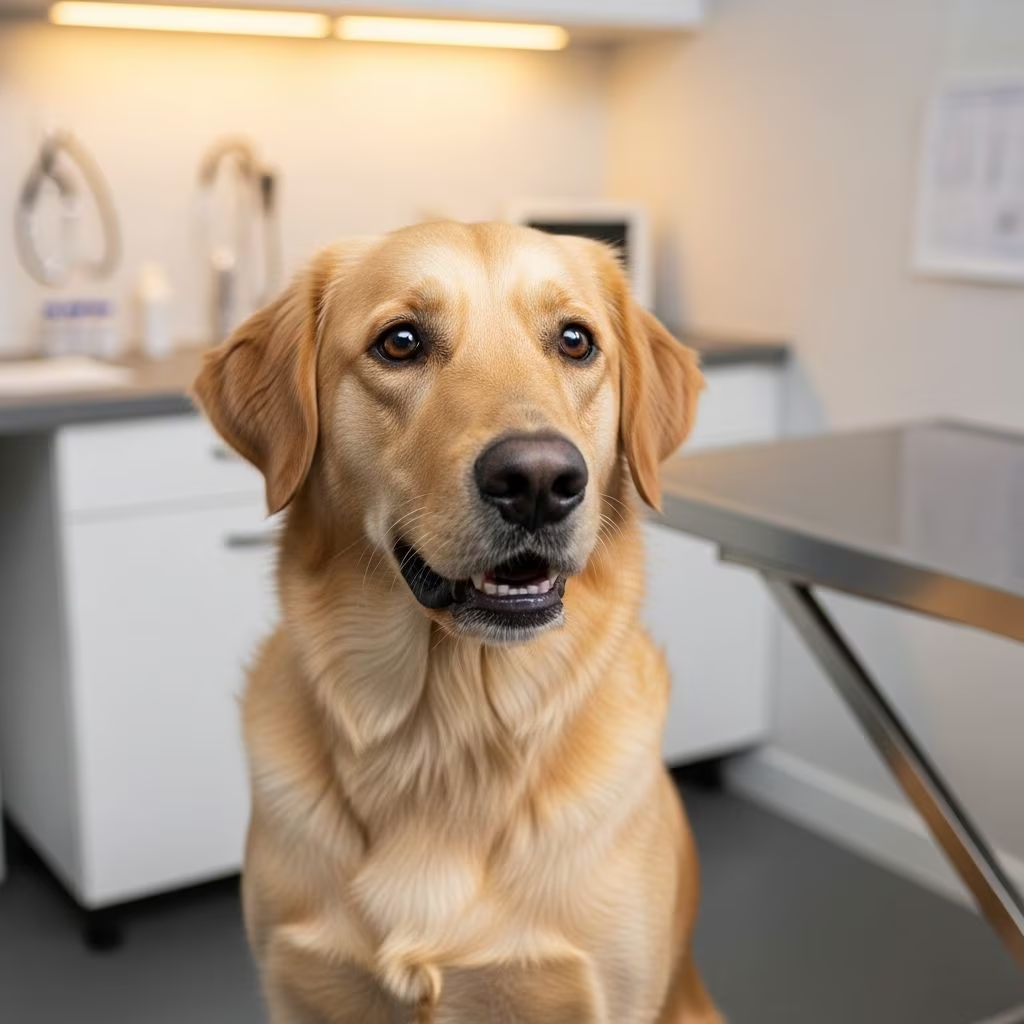
A dog’s cough can range from a mild, temporary irritation to a sign of a serious health issue. Unlike humans, dogs cough to clear their airways of irritants, mucus, or infections, but persistent coughing warrants immediate veterinary attention to prevent complications.
Why Is My Dog Coughing?
Dog coughing stems from various causes affecting the respiratory system, heart, or trachea. Identifying the underlying issue through symptoms and vet diagnostics is crucial for effective treatment.
Common Causes of Dog Coughing
- Kennel Cough (Infectious Tracheobronchitis): The most frequent cause, triggered by Bordetella bronchiseptica bacteria, viruses like canine parainfluenza, or multiple pathogens. It produces a dry, hacking cough often described as sounding like a goose honk, worsened by exercise or pressure on the throat.
- Allergies: Seasonal pollen, dust, mold, or food allergens can inflame airways, leading to coughing that resolves when the allergen is removed.
- Respiratory Infections: Bacterial, viral (e.g., canine influenza, distemper), fungal, or parasitic infections cause acute coughing with symptoms like runny nose, watery eyes, fever, and lethargy.
- Heart Disease or Heartworms: Congestive heart failure or heartworm infestation (spread by mosquitoes) leads to persistent coughs that intensify with activity, often with exercise intolerance, weak pulse, or fluid buildup.
- Collapsing Trachea: Common in small breeds like Yorkshire Terriers or Pomeranians, where the tracheal rings weaken, causing a honking cough during excitement or pulling on a collar.
- Chronic Bronchitis: Ongoing airway inflammation in small, older dogs produces a dry, hacking cough worsened by exercise; irritants like smoke exacerbate it.
- Lung Issues (Pneumonia, Tumors): Bacterial, viral, fungal, or aspiration pneumonia, plus lungworms or cancer, result in wet or productive coughs with labored breathing.
- Foreign Objects or Obstructions: Inhaled grass seeds, toys, or nasal blockages prompt sudden coughing or gagging.
- Other Causes: Laryngitis from irritants, pulmonary hypertension (high lung artery pressure causing fainting and breathlessness), acid reflux, or obesity-related strain.
Symptoms to Watch For
Observe your dog’s cough type and accompanying signs:
- Dry, Honking Cough: Suggests kennel cough, tracheal collapse, or chronic bronchitis.
- Wet, Productive Cough: Indicates pneumonia, heart disease, or infections with mucus/pus.
- Cough with Gagging/Retching: Often kennel cough or foreign body; emergency if persistent.
- Additional Red Flags: Labored breathing, blue gums, fainting (syncope), weight loss, swollen belly, pale gums, exercise intolerance, fever, nasal discharge, or lethargy demand urgent care.
| Cough Type | Possible Causes | Accompanying Symptoms |
|---|---|---|
| Dry/Hacking | Kennel Cough, Tracheal Collapse | Exercise worsens; no fever |
| Wet/Rattling | Pneumonia, Heart Disease | Fever, lethargy, breathing difficulty |
| With Gagging | Foreign Object, Laryngitis | Retching, drooling |
| Persistent/Nighttime | Chronic Bronchitis, Heartworms | Weight loss, coughing fits |
When to See a Vet
Consult a vet immediately if coughing lasts over 24-48 hours, worsens, or includes emergency signs like difficulty breathing, collapse, or bloody discharge. Mild kennel cough may resolve in 1-3 weeks, but diagnostics prevent escalation.
Diagnosis: How Vets Identify the Cause
Veterinarians use a multi-step approach:
- Physical Exam: Listening to lungs/heart, checking throat.
- Imaging: Chest X-rays for pneumonia, heart enlargement, or masses.
- Lab Tests: Bloodwork for infections/heartworms, fecal for parasites.
- Advanced Tools: Endoscopy, ultrasound, tracheal wash (lung fluid sample), or echocardiogram for heart issues.
Treatment Options for Dog Coughing
Treatment targets the root cause:
- Kennel Cough: Often supportive (rest, humidity); antibiotics (e.g., doxycycline) for secondary infections, cough suppressants like hydrocodone.
- Infections: Antibiotics, antifungals (6+ months for fungal), antivirals if applicable; nebulization, oxygen therapy.
- Heart Disease/Heartworms: Diuretics, ACE inhibitors, preventives; adulticide therapy for heartworms (staged to avoid complications).
- Chronic Bronchitis: Inhaled corticosteroids (e.g., fluticasone/Flovent) for targeted relief without systemic side effects; bronchodilators like theophylline.
- Tracheal Collapse: Harness use, weight loss, stents/surgery in severe cases; cough suppressants.
- Allergies/Reflux: Antihistamines, steroids, diet changes, acid suppressants.
- Supportive Care: Humidifiers, honey (1/2 tsp for small dogs), rest; avoid irritants like smoke.
Severe cases may require hospitalization for fluids, ventilation, or coupage (chest physiotherapy).
Home Remedies and Prevention Tips
While awaiting vet care:
- Use a harness instead of collar to reduce tracheal pressure.
- Provide steam from a hot shower for congestion.
- Ensure vaccinations (kennel cough, distemper, influenza).
- Yearly heartworm preventives, flea/tick control.
- Maintain ideal weight; avoid smoke/pollutants.
- Limit exposure in boarding/daycare.
FAQs
Is kennel cough dangerous?
Usually mild and self-limiting in healthy dogs, but risky for puppies, seniors, or those with heart/lung disease; can lead to pneumonia.
How long does a dog cough last?
Kennel cough: 1-3 weeks; chronic conditions need lifelong management.
Can I give my dog human cough medicine?
No—many are toxic; only use vet-prescribed medications.
Does heart disease always cause coughing in dogs?
Not always, but persistent cough with exercise intolerance is a key sign.
Is coughing contagious?
Yes, for infectious causes like kennel cough; isolate and vaccinate.
Prognosis and Long-Term Management
Most causes are treatable if caught early. Chronic conditions like bronchitis require ongoing inhaled meds for quality life; heart disease may progress but meds extend comfort. Regular vet check-ups are essential.
References
- Why is My Dog Coughing? Causes and Treatment in Crown Point, IN — Coyne Animal Hospital. 2023. https://coynevetcare.com/blog/dog-coughing-crown-point-in/
- Why Does My Dog Keep Coughing? — City Line Veterinary Center. 2024. https://citylinevet.com/veterinary-blog/dog-coughing-moline-il/
- Common Causes of Coughing in Dogs — Trudell Animal Health. 2024. https://trudellanimalhealth.com/blogs/blog/common-causes-of-coughing-in-dogs
- Why Is My Dog Coughing? — GoodRx. 2025-01-10. https://www.goodrx.com/pet-health/dog/dog-coughing
- Coughing in Dogs — PDSA. 2024. https://www.pdsa.org.uk/pet-help-and-advice/pet-health-hub/conditions/coughing-in-dogs
- 12 Possible Reasons Your Dog is Coughing — Clarion Animal Hospital. 2023. https://clarionanimalhospital.com/blog/dog-coughing/



