

Dog Corns: What Are They & How Do Vets Treat Them?
Dog corns, medically known as keratomas or hyperkeratosis, are painful lesions that develop on a dog’s paw pads or around the nose. These hard, thickened growths consist of accumulated keratin and scar tissue that can cause significant discomfort and mobility issues. While corns are relatively uncommon compared to other canine skin conditions, they can severely impact your dog’s quality of life, making early detection and proper treatment essential.
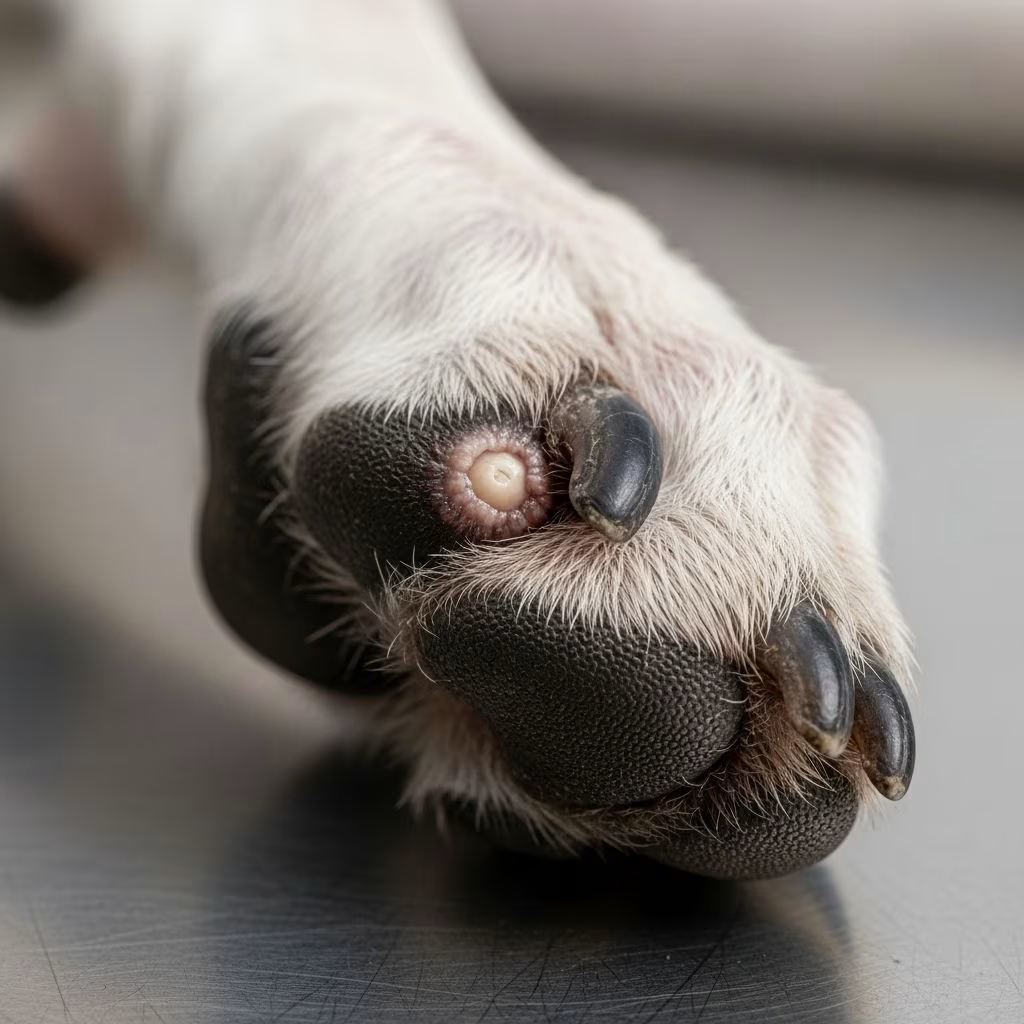
Corns appear as small, hard, raised nodules or lesions typically located between the toes or on the pad surface. They feel tough and resemble scar tissue, creating a painful point of pressure whenever your dog walks or puts weight on the affected paw. Understanding what causes corns, recognizing the warning signs, and knowing the available treatment options will help you provide your dog with the care they need.
What Causes Dog Corns?
Veterinarians have identified several theories regarding the development of dog corns. While the exact cause isn’t always clear-cut, most corns result from a combination of factors that make certain dogs more susceptible than others.
Scar Tissue and Foreign Bodies
One prominent theory suggests that cuts, punctures, or injuries to the paw pad can lead to the accumulation of scar tissue. When a dog sustains damage to the pad, the body initiates a healing response that sometimes results in excessive scar tissue formation. Additionally, foreign bodies lodged in the pad—such as splinters, gravel, or debris—can trigger localized scar tissue accumulation as the body attempts to isolate and contain the foreign material. Over time, this accumulated scar tissue hardens and develops into the painful corn-like lesions characteristic of this condition.
Papillomavirus Infection
Another theory proposes that corns may result from infection by the canine papilloma virus. This virus typically causes growths that develop on the skin surface, but the constant pressure and abrasion from walking or running forces these lesions into the deeper layers of the paw pad. As the papilloma penetrates deeper, it creates the flat, circular, painful lesions that appear as corns on the pad surface. This theory helps explain why corns often persist even after treatment if the underlying viral infection isn’t addressed.
Pressure and Abrasion
Repetitive mechanical trauma from pressure and abrasion during normal walking or running activities is considered a significant contributing factor. This theory is particularly relevant in high-performance breeds such as racing Greyhounds, which experience substantial ground contact stress. Dogs that engage in frequent running, jumping, or work on hard surfaces may develop corns due to this cumulative pressure on their paw pads.
Additional Contributing Factors
Nutritional deficiencies, particularly zinc deficiency, can compromise skin health and increase susceptibility to corn development. Additionally, underlying autoimmune skin diseases can weaken the skin’s integrity, making corns more likely to form. Some dogs may also have genetic predispositions that make them more prone to corns, while previous infections with Canine Distemper virus can negatively affect skin cells.
Recognizing the Symptoms of Dog Corns
Pet owners should remain vigilant for signs indicating their dog may have corns. Early detection significantly improves treatment outcomes and prevents complications.
Primary Symptoms
The most common symptom is lameness or limping, particularly when walking or standing. Dogs with corns often show reluctance to put weight on the affected paw, and you may notice them favoring one leg over others. Some dogs engage in excessive licking or chewing at the foot or affected toes as they attempt to alleviate discomfort. Visible swelling or redness between the toes is another telltale sign, and dogs may display obvious discomfort or pain when the affected area is touched or manipulated.
Secondary Symptoms
As dogs reduce activity due to pain, you may notice notable nail growth on the affected paw—a direct result of decreased weight-bearing and activity. Some dogs develop visible small, hard, raised nodules or lesions between the toes that you can observe during paw inspections. Progressive crusting or raised mounds may also become apparent over time. In more severe cases, the skin around the paws or nose may become excessively dry and irritated, with splitting or cracking of the skin surface.
When to See a Veterinarian
If you notice any of these signs or symptoms, prompt consultation with a veterinarian is essential for proper diagnosis and treatment. Early intervention can prevent the condition from worsening and reduce your dog’s suffering.
How to Treat Dog Corns
Early detection and appropriate treatment are essential for relieving discomfort and preventing complications associated with dog corns. The proper treatment approach depends on the severity of the condition and the underlying cause.
Topical Treatments
Medicated creams and ointments are frequently prescribed to help reduce inflammation and promote healing of the affected area. Your veterinarian may recommend keratolytic medications that break down built-up keratin, emollients designed to soften the corn, or caustic agents that destroy the affected tissue. These topical solutions are often part of a comprehensive treatment plan and may need to continue even after the corn has decreased, particularly if your dog has chronic hyperkeratosis.
Foot Soaks and Home Care
Soaking the affected paw in warm water or an antiseptic solution can help soften the corns and reduce discomfort. Many veterinarians recommend this as part of a home care regimen, particularly during early treatment stages. Short warm-water soaks followed by paw balms or mild urea-based creams can significantly reduce symptoms. You may also consider using Epsom salts dissolved in water and soaking your dog’s paws twice daily for additional relief.
Orthopedic Support
In cases where abnormal foot conformation contributes to corn development, orthopedic supports or custom-made booties may be recommended to alleviate pressure on the affected area. These protective boots help prevent pressure from concentrating on the corn site and can significantly improve comfort during the healing process.
Surgical and Procedural Options
For mild cases, dog corns may be trimmed or “hulled,” which involves removing the central core of the lesion. Filing down the corn gradually and consistently, typically combined with boot usage to prevent regrowth, represents another option. In more severe cases, corns may require surgical excision using a surgical scalpel or laser. Deep excision or removal of the corn is currently considered one of the most effective treatment options.
For specialized cases, particularly in racing Greyhounds, the gold standard treatment involves a tendonectomy procedure—surgically cutting the superficial digital flexor tendon just below the wrist or hock. This procedure unloads the pad by reducing pressure, allowing the corn to grow out and eventually disappear. Studies show that approximately 90% of dogs treated with this method show significant improvement within 6-8 weeks.
Emerging treatments include injecting silicone beneath the corn, a method that has produced good results in human patients and is currently being tested in canine applications.
Pain Management and Post-Treatment Care
Once your pet’s corns have been addressed through treatment, your veterinarian may prescribe pain medications and anti-inflammatory drugs to help provide relief during the healing phase. At-home care instructions typically include keeping your dog off their feet as much as possible, bandaging the paw with pressure-relieving bandages to help relieve pressure while it heals, and monitoring the area for signs of infection such as redness or pus.
Your veterinarian may recommend veterinary low-level laser therapy, which delivers non-invasive light to stimulate healing. This treatment is usually delivered over several sessions but can produce good results after just one application. Supplementary Vitamin A may also be recommended as it regulates cell build-up and is often used to help manage skin conditions.
Most veterinarians schedule follow-up appointments to check on your dog’s status and continue pain medications as necessary. Ensuring complete healing and preventing recurrence requires consistent monitoring and adherence to your vet’s care instructions.
Conservative and Alternative Management
If you prefer to avoid surgery and your veterinarian agrees, several alternative approaches may help manage corns:
Complementary therapies: Homoeopaths have reported success with specific tablets and ointments designed for corns. Protective footwear: Paw boots used in conjunction with other treatments can help your dog walk comfortably while the corn heals. Environmental modifications: Reducing activities on hard surfaces and providing soft, cushioned walking areas can decrease pressure on affected paws.
Prevention and Long-Term Management
While not all corns can be prevented, especially those with genetic or viral causes, certain measures may reduce your dog’s risk. Maintaining proper nutrition, particularly ensuring adequate zinc intake, supports healthy skin. Regular paw inspections allow for early detection of emerging problems. Limiting high-impact activities on hard surfaces and providing appropriate footwear during work or play can reduce repetitive trauma. Dogs with a history of paw injuries should receive prompt veterinary attention to prevent complications that could lead to corn formation.
Recovery and Recurrence
Surgically removing the corn generally results in alleviating signs of pain, with some dogs being completely cured and most remaining corn-free for more than six months. However, recurrence can occur if underlying mechanical factors haven’t been corrected or if the underlying cause—such as viral infection—persists. Most dogs experience successful outcomes when treatment addresses both the corn itself and any contributing factors.
Frequently Asked Questions About Dog Corns
Q: How are dog corns diagnosed?
A: Veterinarians diagnose corns through physical examination, identifying hard nodules on the paw pad and noting pain response when pressure is applied. Sometimes additional diagnostic imaging may be recommended to rule out other underlying conditions.
Q: Are certain breeds more prone to corns?
A: Yes, racing Greyhounds and other sighthounds are particularly susceptible to corns, with approximately 5-6% of retired Greyhounds suffering from this condition. This is primarily due to the intense pressure and repetitive trauma their paws experience during running.
Q: Can corns return after treatment?
A: While most dogs remain corn-free for extended periods after treatment, recurrence can occur if the underlying cause hasn’t been fully addressed or if mechanical factors continue to affect the paw.
Q: How long does recovery take after surgical removal?
A: Most dogs show significant improvement within 6-8 weeks following surgical treatment. Full healing and return to normal activity typically occur within this timeframe, though your veterinarian may recommend continued monitoring.
Q: What complications can arise from untreated corns?
A: Untreated corns can crack or become infected, leading to increased pain and potential systemic infection. Chronic pain may also cause behavioral changes and reduced quality of life for your dog.
References
- Paw Pad Pain: A Review of Corns in Dogs — DVM360. 2024. https://www.dvm360.com/view/paw-pad-pain-review-corns-dogs
- Corns (Keratomas and Hyperkeratosis) in Dogs — Wag Walking. 2024. https://wagwalking.com/condition/corns-keratomas-and-hyperkeratosis
- What Is Keratoma? Guide to Treating Dog Corns — FOTP (Fresh Organic Treats for Pets). 2024. https://fotp.com/learn/dog-health/what-is-keratoma-guide-to-treating-dog-corns
- Paw Pad Keratoma (Corns) — Manchester Veterinary Specialists. 2024. https://www.mvsvets.co.uk/pet-owners/paw-pad-keratoma-corns/
- Greyhound Corns: A Pain in the Toe — Lynbrook Vet. 2024. https://lynbrookvet.com.au/greyhound-corns/
- Dog Corns: What Are They? And How Do Vets Treat It? — Chewy. 2024. https://www.chewy.com/education/dog/health-and-wellness/dog-corns



