

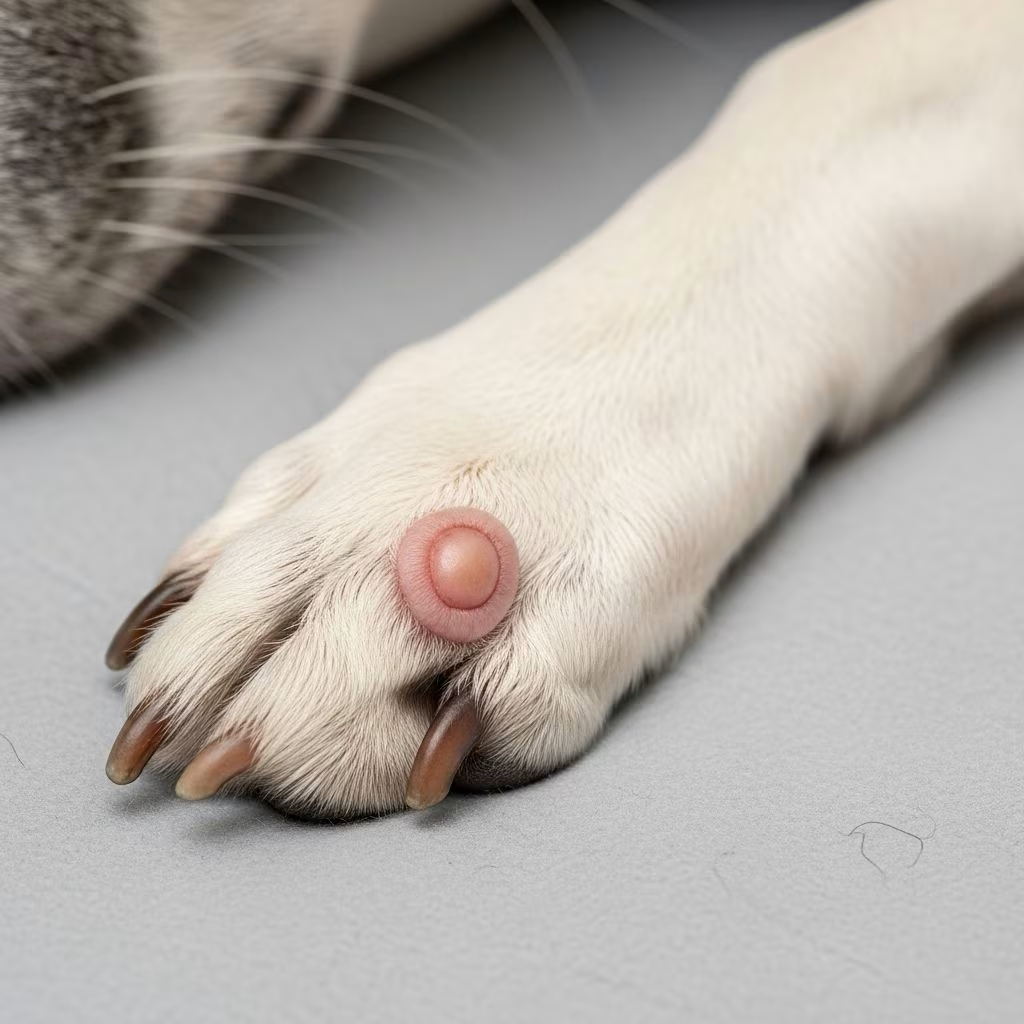
Corns in dogs represent a painful condition affecting the paw pads that many pet owners find challenging to manage. Unlike corns in humans, canine corns develop as hard, keratin-filled growths embedded deep within the footpad tissue. This condition predominantly affects certain dog breeds, particularly sighthounds and racing breeds, though any dog can potentially develop corns. The condition causes significant discomfort and can lead to lameness, reduced mobility, and complications if left untreated.
What Exactly Are Canine Corns?
Canine corns, also referred to as keratomas or hyperkeratosis, are circular, hard growths that form within a dog’s paw pads. These lesions consist of compressed keratin material that penetrates into the deeper layers of the footpad, creating localized pressure on sensitive underlying tissues. The condition differs significantly from typical calluses, as corns extend inward rather than forming on the surface. This distinctive characteristic explains why they cause considerably more pain and discomfort than superficial pad irritation.
The hardened keratin core becomes particularly problematic because it cannot naturally shed like surface skin. As pressure increases on the corn during normal walking and standing, dogs experience acute pain that can progressively worsen. Without intervention, this pain may lead to altered gait patterns, behavioral changes, and secondary complications including infections and tissue damage.
Understanding the Root Causes Behind Corn Formation
The exact etiology of canine corns remains poorly understood in veterinary medicine, though researchers have identified several contributing factors. Multiple theories attempt to explain how these painful lesions develop, and most likely involve a combination of mechanisms rather than a single cause.
Mechanical Trauma and Pressure
Repetitive mechanical trauma represents the most widely accepted theory regarding corn development. This theory suggests that continuous pressure and abrasion from walking, running, and standing gradually damages the paw pad tissue. Certain dog breeds engaged in high-impact activities, such as racing Greyhounds, experience heightened predisposition to corns due to their athletic demands. The repeated stress on specific areas of the footpad triggers an abnormal tissue response, leading to keratin accumulation and core formation.
Dogs with anatomical abnormalities affecting their gait pattern face increased risk, as approximately 40% of affected dogs have some form of structural deformity. These deformities—most commonly involving tendon abnormalities—alter weight distribution across the paw, concentrating pressure on specific areas vulnerable to corn development. Additionally, certain breeds, particularly sighthounds, possess naturally thinner fatty tissue in their pads, providing less cushioning against wear and trauma.
Scar Tissue Accumulation and Foreign Bodies
Another prominent theory involves the development of scar tissue following pad injuries. Cuts, punctures, or abrasions to the paw pad can initiate a healing response wherein scar tissue accumulates at the injury site. As the body attempts to protect the area, this scar tissue gradually thickens and hardens, eventually developing into a corn-like lesion. Foreign materials, including small stones, plant material, or sand, may become embedded in the pad during healing, perpetuating scar tissue formation.
Viral Infection Involvement
Some veterinary research suggests that papillomavirus infection may contribute to corn formation. This theory proposes that viral lesions initially form on the pad surface but, due to constant pressure and abrasion during normal movement, become forced into deeper pad layers. This mechanism creates the characteristic flat, circular, painful lesion visible on the pad surface. However, despite this theory’s plausibility, viral particles have rarely been successfully isolated from corn samples, making this explanation less universally accepted.
Recognizing Symptoms of Developing Corns
Early identification of corns enables prompt veterinary intervention and more favorable treatment outcomes. Dog owners should familiarize themselves with the following warning signs:
- Lameness and mobility changes: Limping or favoring one paw represents a primary indicator of corn-related discomfort. Dogs may show reluctance to bear weight on the affected paw, particularly when walking on hard surfaces.
- Gait abnormalities: Affected dogs may demonstrate difficulty walking in a straight line or adopt an unusual posture to minimize pad pressure.
- Behavioral signs: Excessive licking, chewing, or attention-seeking behavior directed at the foot or affected toes indicates localized discomfort.
- Physical manifestations: Visible small, hard, raised nodules between the toes, swelling, redness, or notable nail growth on the affected paw due to reduced activity serve as observable indicators.
- Pain response: Dogs displaying visible pain when the affected area is touched or experiencing discomfort during palpation require immediate veterinary attention.
- Surface changes: Progressive crusted or raised mounds on the paw pad, along with splitting or cracking of skin around the paws, may indicate advancing corn development.
Dogs experiencing these symptoms should receive prompt veterinary evaluation, as delayed treatment increases the risk of infection, permanent gait changes, and increased pain severity.
Diagnostic Procedures and Veterinary Examination
Veterinarians diagnose canine corns through physical examination, typically focusing on palpation of the affected paw pad. Applying appropriate pressure during examination helps elicit pain responses that confirm corn presence. Orthopedic examinations in dogs presenting with lameness should routinely include thorough paw pad assessment, particularly in breeds predisposed to this condition.
Visual inspection may reveal the characteristic hard, circular lesion embedded in the pad tissue. The depth of the lesion, extent of surrounding inflammation, and presence of secondary infection guide treatment recommendations. Some veterinarians may recommend imaging studies to rule out underlying bone involvement or assess the anatomical structures contributing to corn development.
Treatment Options and Management Strategies
Managing canine corns involves multiple therapeutic approaches, as no single universally effective treatment has emerged in veterinary practice. Treatment plans typically combine immediate pain management with strategies to reduce ongoing pressure and promote healing.
Topical and Conservative Approaches
Medicated creams and ointments help reduce inflammation and support healing of affected areas. Veterinarians may prescribe topical treatments containing keratin-softening agents, salicylic acid pads, or specialized ointments designed to gradually break down the hardened core. Foot soaks in warm water or antiseptic solutions represent another conservative approach, as they soften the keratin material and temporarily reduce discomfort as part of a home care regimen.
Protective measures including custom-made booties or orthopedic supports alleviate pressure on affected areas, particularly in cases where abnormal foot conformation contributes to corn development. Duct tape application, while unconventional, has anecdotal support from dog owners reporting softening and gradual destruction of corns.
Surgical Interventions
Surgical removal of corns remains a common approach, performed using small curettes or scalpels to extract the keratinous lesion, followed by smoothing with pumice stone and application of topical treatments. However, surgical removal shows variable success rates, with approximately 50% of dogs showing sustained improvement, while others experience corn recurrence.
The tendonectomy procedure represents a more specialized surgical approach gaining recognition, particularly for Greyhounds and other high-performance breeds. This technique involves surgically cutting the superficial digital flexor tendon of the affected toe just below the wrist or hock, reducing pressure on the pad by altering the digit’s positioning. A clinical study demonstrated significant improvement in 23 of 29 dogs by day 7, with 17 of 21 remaining dogs showing no lameness at the 6-8 week mark.
Toe amputation remains a last-resort option when other treatments fail and pain becomes unmanageable. This irreversible procedure requires careful consideration of the dog’s overall function and quality of life.
Pain Management and Post-Treatment Care
Following surgical intervention, veterinarians typically prescribe pain medications and anti-inflammatory drugs to provide relief during healing. Pressure-relief bandaging protects the surgical site and prevents further trauma to the healing pad. Wet dressings maintain appropriate moisture levels and promote comfort while topical antibiotics address potential infections.
At-home care instructions typically include keeping the dog off their feet as much as possible during initial healing, monitoring the area for infection signs including redness or pus, and following veterinarian recommendations regarding bandage changes and follow-up appointments.
Breed Susceptibility and Risk Factors
Certain dog breeds demonstrate higher predisposition to corn development than others. Sighthounds, including Greyhounds, Whippets, and similar breeds, show notable susceptibility due to their athletic nature, thinner pad tissue, and anatomical characteristics. Racing breeds engaged in high-impact activities face particularly elevated risk factors.
Beyond breed predisposition, individual risk factors include:
- Gait abnormalities or anatomical deformities affecting weight distribution
- Previous paw pad injuries or infections
- Participation in high-impact activities or athletic performance
- Age-related changes in pad tissue composition and elasticity
- Genetic factors influencing pad tissue thickness and structural integrity
Preventing Corn Development in Susceptible Dogs
While complete corn prevention remains challenging for genetically predisposed dogs, several strategies may reduce occurrence probability:
- Regular paw inspections: Routine examination of paw pads enables early detection of developing lesions or pad damage.
- Activity moderation: Adjusting exercise intensity and surface selection for high-risk breeds may reduce repetitive trauma.
- Protective footwear: Quality dog booties provide cushioning and reduce direct pad pressure during walks.
- Paw pad hygiene: Maintaining clean, dry paws prevents infection and allows easy identification of emerging problems.
- Prompt injury treatment: Addressing pad cuts, punctures, or abrasions immediately reduces scar tissue development risk.
- Veterinary monitoring: Regular check-ups for predisposed breeds enable preventive intervention before severe corn development occurs.
Prognosis and Long-Term Management
The prognosis for canine corns varies considerably depending on the underlying cause, treatment approach selected, and individual dog response factors. Surgically removed corns remain corn-free for extended periods in many dogs, though some experience recurrence. Treatment typically represents a trial-and-error process, as no standardized approach guarantees permanent resolution.
Long-term management for affected dogs often requires ongoing monitoring, periodic reassessment of treatment efficacy, and willingness to adjust therapeutic strategies as needed. Many dogs adapt well to conservative management when combined with activity modifications and protective measures, maintaining good quality of life despite residual corns.
When to Consult a Veterinarian
Pet owners observing any symptoms suggesting possible corn development should promptly consult veterinary professionals. Early intervention generally results in better outcomes and may prevent painful complications. Dogs showing behavioral changes, reluctance to walk, excessive foot attention-seeking, or visible paw pad abnormalities warrant immediate veterinary evaluation to establish diagnosis and initiate appropriate treatment planning.
Frequently Asked Questions About Dog Corns
Can dog corns heal on their own?
Corns rarely resolve without intervention, as the hardened keratin core cannot naturally shed. Spontaneous healing requires removal of the underlying cause, such as pressure reduction through orthopedic support or gait modification.
Are certain surfaces more likely to cause or worsen corns?
Hard surfaces like concrete and tile increase pressure on paw pads during weight-bearing, potentially exacerbating existing corns or contributing to new lesion development in susceptible dogs.
How long does recovery typically take after corn removal?
Recovery timelines vary but generally range from several weeks to several months depending on treatment method selected. Surgical removal usually requires 6-8 weeks for complete healing, though pain relief may occur within days.
Will my dog’s corn definitely return after surgical removal?
Corn recurrence rates vary, with approximately 50% of surgically treated dogs experiencing permanent resolution while others may develop recurrent lesions. Individual factors influence recurrence probability.
What distinguishes corns from other paw pad problems?
Corns are distinguished by their deep keratin core and the intense localized pain they produce, particularly when pressure is applied. This differs from surface calluses, pad dermatitis, or other common paw conditions.
References
- Dog Corns: What Are They? And How Do Vets Treat It? — Chewy Education. Accessed January 29, 2026. https://www.chewy.com/education/dog/health-and-wellness/dog-corns
- Greyhound Corns – A Pain in the Toe — Lynbrook Veterinary Clinic. Accessed January 29, 2026. https://lynbrookvet.com.au/greyhound-corns/
- Corns in Greyhounds — Patton Veterinary Hospital. Accessed January 29, 2026. https://pattonvethospital.com/blog/268416-corns-in-greyhounds
- Corns In Dogs: How to treat them — MyFurries. Accessed January 29, 2026. https://www.myfurries.com/blog/corns-in-dogs-treatment/
- Corns (Keratomas and Hyperkeratosis) in Dogs — Wag! Accessed January 29, 2026. https://wagwalking.com/condition/corns-keratomas-and-hyperkeratosis
- Paw pad pain: A review of corns in dogs — DVM360. Accessed January 29, 2026. https://www.dvm360.com/view/paw-pad-pain-review-corns-dogs
- Treating Your Dog’s Corns and Warts — Whole Dog Journal. Accessed January 29, 2026. https://www.whole-dog-journal.com/health/treating-your-dogs-corns-and-warts/



