

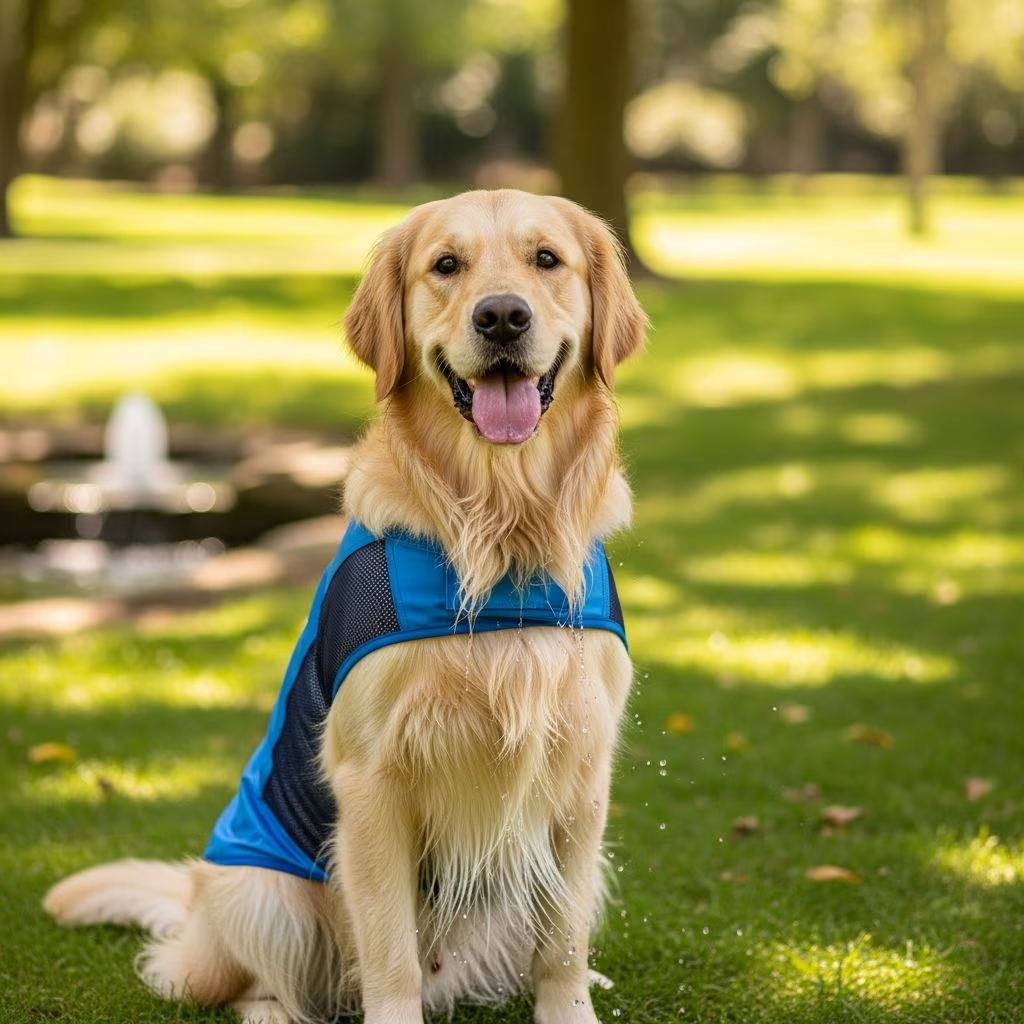
Dogs rely on panting to cool down, but extreme heat can overwhelm this mechanism, leading to dangerous conditions like heatstroke. Cooling vests offer a proactive solution by actively lowering body temperature through innovative designs tailored for canine physiology.
Why Dogs Overheat and Need Extra Help
Dogs lack efficient sweat glands compared to humans, making them vulnerable in temperatures above 80°F, especially brachycephalic breeds like Bulldogs or those with thick coats. Black-furred dogs absorb more solar heat, with surface temperatures soaring to 172°F in direct sun on 90°F days. Cooling vests bridge this gap by providing consistent thermal regulation during walks, hikes, or play.
Research shows these vests significantly reduce post-exercise body temperatures. In a study of scent-detection dogs, evaporative models lowered core temperatures more effectively than no vest, minimizing heat stress risks.
Core Mechanisms of Canine Cooling Technology
Cooling vests employ physics-based methods to dissipate heat. Understanding these helps owners select the right type for their climate and dog’s needs.
- Evaporative Cooling: Water-soaked inner layers release moisture through breathable outer meshes, mimicking sweat evaporation. Tests confirm drops of over 80°F in surface temperature within minutes.
- Phase Change Materials (PCM): Gel packs or inserts phase from solid to liquid at around 70°F, absorbing heat for 1-3 hours without wetness. Ideal for humidity where evaporation falters.
- Reflective Shields: Light-colored, UPF 50+ fabrics bounce UV rays, best as a supplement in sunny conditions.
Comparing Cooling Vest Types: Pros, Cons, and Best Uses
Choosing depends on humidity, activity level, and dog size. Here’s a breakdown:
| Type | Best For | Pros | Cons | Cooling Duration |
|---|---|---|---|---|
| Evaporative | Dry climates, active outings | Quick activation, lightweight, affordable; up to 80°F drop | Less effective in humidity, needs re-wetting | 2-4 hours |
| PCM/Ice Pack | Humid areas, long sessions | Dry cooling, consistent temp (e.g., 70°F), reusable | Heavier, freezer prep, higher cost | 1-72 hours (varies) |
| Reflective | Sun exposure, passive use | Ultra-light, no prep, UPF protection | Minimal active cooling | Indefinite (passive) |
Evaporative vests shine in arid regions like the Southwest, while PCM excels in muggy Southeast summers.
Health Benefits Backed by Evidence
Beyond comfort, these vests prevent serious issues. They slash heatstroke risks—characterized by rapid panting, collapse, and organ damage—by maintaining safe body temps (101-102.5°F normal). Dehydration drops as dogs stay active without exhaustion. A clinical trial found evaporative vests yielded significantly lower temperatures post-run (p=0.012).
- Brachycephalic and small breeds (e.g., Chihuahuas) gain most, avoiding olfactory fatigue in working dogs.
- Active or dark-coated dogs benefit from rapid surface cooling.
Fitting and Using Cooling Vests Effectively
Proper fit ensures efficacy. Measure chest girth behind front legs and neck base; adjustable straps accommodate growth or weight shifts.
- Soak evaporative vests 5-10 minutes, wring until damp (not dripping).
- Freeze PCM packs 20-60 minutes; insert into pockets.
- Secure snugly but not tight—allow one finger between vest and skin.
- Re-activate every 2-4 hours; remove if dog shivers.
Combine with shade, water breaks, and avoiding midday heat for best results.
Top Recommendations for Every Dog Size
Field tests highlight standouts. For versatile evaporative performance, three-layer designs with UPF outers excel, dropping temps dramatically on black coats. Small dog options prioritize adjustability for breeds like Frenchies.
- All Sizes: Multi-layer evaporative with mesh lining for airflow.
- Small Breeds: Lightweight, collar-integrated for petite frames.
- Large/Active: Durable, harness-compatible for hikes.
Owners report sustained activity in 90°F+ weather without distress.
Safety Tips to Avoid Common Pitfalls
Overcooling risks hypothermia in cool evenings—monitor for trembling. Inspect for wear; frayed seams reduce efficacy. Not substitutes for vet care if symptoms like vomiting appear.
- Avoid in extreme humidity without PCM.
- Pair with cooling mats or collars for full coverage.
- Test fit on calm dogs first.
Real-World Applications for Active Lifestyles
Hikers use evaporative vests for trail safety, preventing fatigue on steep climbs. Beachgoers favor reflective layers against sand heat. Working dogs in detection maintain focus longer. Urban walkers beat pavement scorch in cities.
FAQs: Cooling Vests Answered
Do cooling vests really work for dogs?
Yes, lab tests show up to 80°F surface temp drops; clinical studies confirm lower core temps post-exercise.
Which vest type for humid weather?
PCM or ice pack vests provide dry, reliable cooling unaffected by moisture.
How often to re-wet evaporative vests?
Every 2-4 hours or when dry to touch, based on activity and climate.
Are they safe for puppies or seniors?
Yes, with proper sizing and monitoring to prevent overcooling.
Can I machine wash them?
Most yes, air-dry only; check labels for PCM inserts.
Investing in Your Dog’s Summer Well-Being
Cooling vests transform hot days into fun ones, backed by science and user tests. Select based on your environment, fit meticulously, and watch your dog thrive in the heat.
References
- Do Dog Cooling Vests Actually Work? The Science Behind Them — Canada Pooch. 2023. https://canadapooch.com/blogs/news/the-science-behind-dog-cooling-vests
- Chill Out, Fido! A Guide to the Best Cooling Jackets — BaxterBoo. 2024. https://www.baxterboo.com/blog/a.cfm/chill-out-fido-a-guide-to-the-best-cooling-jackets-for-your-canine-companion/
- Clinical Evaluation of Exercise-Induced Physiological Changes — PMC (NCBI). 2022-09-20. https://pmc.ncbi.nlm.nih.gov/articles/PMC9494994/
- 3 Best Dog Cooling Vests of 2025 (Field-Tested) — Treeline Review. 2025. https://www.treelinereview.com/gearreviews/best-dog-cooling-vests
- How Dog Vests Provide Comfort and Protection — Pomsky Owners Association. 2023. https://pomskyownersassociation.com/how-dog-vests-provide-comfort-and-protection-for-your-pet/
- Do Cooling Vests Work For Dogs — Spark Paws. 2024. https://www.sparkpaws.com/blogs/community/do-cooling-vests-work-for-dogs
- Keeping Your Dog Cool in Extreme Heat — Sit Means Sit. 2023. https://sitmeanssit.com/dog-training-mu/san-gabriel-valley-dog-training/keeping-your-dog-cool-in-extreme-heat-how-a-cooling-vest-works/



