

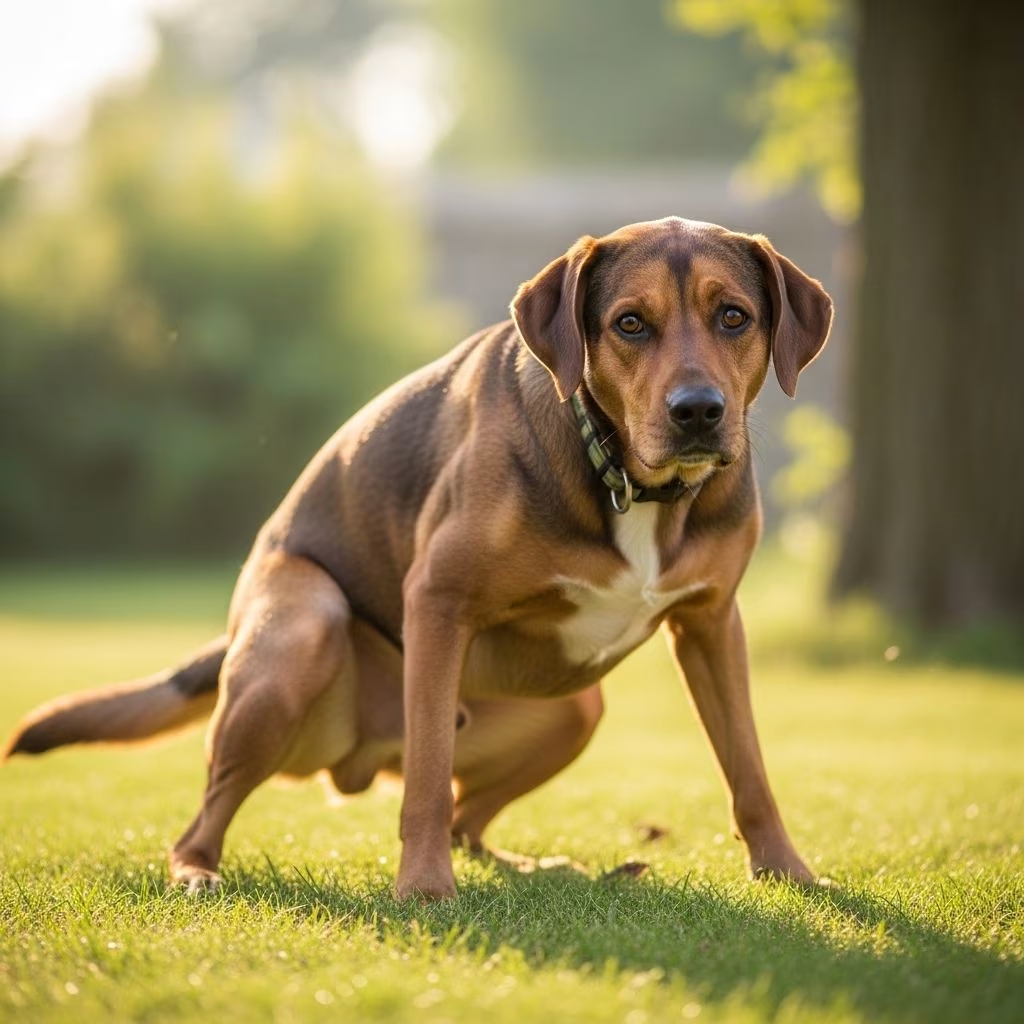
Dog constipation is a common digestive issue where dogs struggle to pass hard, dry stools, often due to diet, dehydration, or blockages. Recognizing symptoms early and applying appropriate treatments can restore normal bowel movements quickly, preventing serious complications like megacolon.
What is constipation in dogs?
Constipation in dogs occurs when stool moves slowly through the large intestine, becoming hard and dry, making defecation difficult or painful. Unlike diarrhea, which involves loose stools, constipation leads to infrequent or absent bowel movements. It affects dogs of all ages but is more prevalent in seniors due to reduced mobility and underlying health issues. Acute cases resolve quickly with intervention, while chronic constipation may signal deeper problems like tumors or neurological disorders.
The condition differs from obstipation, a severe form where no stool passes at all, often requiring veterinary surgery. Normal dogs defecate 1-5 times daily, depending on diet and size; anything less for 48+ hours warrants attention.
Symptoms of constipation in dogs
Early detection relies on observing behavioral and physical signs. Common symptoms include:
- Straining or ‘tenting’ (squatting without producing stool)
- Hard, pebble-like or dry stools
- Infrequent defecation (less than once every 1-2 days)
- Visible discomfort or pain during attempts to poop
- Mucus or blood in small stool amounts
- Loss of appetite or lethargy
- Abdominal bloating or hardness
- Excessive licking of the anal area
Severe cases may show vomiting, extreme lethargy, or collapse, indicating a blockage—seek emergency care immediately. Older dogs or brachycephalic breeds may show subtler signs due to pain avoidance.
Causes of dog constipation
Multiple factors contribute, often overlapping. Key causes include:
- Diet-related: Low-fiber food, sudden diet changes, bones, or indigestible items like toys, gravel, plants.
- Dehydration: Insufficient water intake or illnesses causing fluid loss.
- Lack of exercise: Sedentary lifestyles slow gut motility, common in apartment dogs.
- Grooming issues: Excessive licking leads to hair ingestion, matting around anus from obesity.
- Medical conditions: Enlarged prostate (intact males), anal gland problems, hypothyroidism, kidney disease, tumors, megacolon.
- Other: Medications (opioids, diuretics), trauma, neurological disorders, stress.
Senior dogs face higher risks from prostate issues or slowed metabolism. Puppies may suffer from parasites or dietary indiscretion.
When to see a vet for dog constipation
Not all cases need immediate vet care, but consult one if:
- No stool in 48-72 hours
- Blood, mucus, or black tarry stools
- Vomiting, severe pain, or bloating
- Constipation recurs or lasts >3 days
- Dog is puppy, senior, or has pre-existing conditions
Vets diagnose via physical exam, rectal palpation, X-rays, bloodwork, or ultrasound to rule out obstructions. Delaying risks perforation or sepsis.
How to treat constipation in dogs
Treatment targets the cause and relieves impaction. Vet-guided options include:
- Dietary changes: High-fiber prescription diets or add-ins like canned pumpkin (1-4 tbsp/day), wheat bran, or Metamucil.
- Laxatives/stool softeners: Dioctyl sodium sulfosuccinate (DSS) or polyethylene glycol (PEG 3350); never use human laxatives without vet approval.
- Enemas: Administered only by professionals to avoid rupture or toxicity.
- Manual removal: Gloved finger evacuation under sedation.
- Medications: Prokinetics like cisapride for motility; fluids for dehydration.
- Surgery: For tumors, strictures, or megacolon.
Most mild cases resolve in 24-48 hours with these.
Home remedies for mild dog constipation
For non-emergencies, try these vet-approved remedies cautiously:
- Increase water: Add broth or ice cubes; wet food transition.
- Fiber boost: 1-2 tsp canned plain pumpkin per 10lbs body weight daily.
- Exercise: 20-30 min walks post-meals to stimulate bowels.
- Milk: Small amounts of goat/cow milk (lactose-intolerant dogs may get diarrhea).
- Probiotics: FortiFlora or plain yogurt for gut health.
Avoid bones, table scraps, or OTC human meds. Monitor for 24 hours; escalate if no improvement.
Preventing constipation in dogs
Proactive steps maintain regularity:
- Balanced diet: High-quality, fiber-rich kibble; gradual changes.
- Hydration: Fresh water always; fountains encourage drinking.
- Exercise: Daily 30-60 min activity tailored to breed/age.
- Grooming: Regular brushing, anal gland checks.
- Routine checkups: Screen for prostate, thyroid issues in at-risk dogs.
- No hazards: Supervise to prevent ingestion of foreign objects.
Split meals into 2-3 smaller ones; consider fiber supplements long-term for prone dogs.
Dog constipation by age
| Age Group | Common Causes | Treatment Notes |
|---|---|---|
| Puppies | Parasites, diet switch, dehydration | De-worming, bland diet (rice/chicken), vet ASAP |
| Adults | Low fiber, lack of exercise, ingested objects | Fiber add-ins, exercise, monitor |
| Seniors | Prostate enlargement, megacolon, meds | Prescription diets, frequent vet visits |
Frequently Asked Questions (FAQs)
What helps a dog with constipation?
Increase fiber with pumpkin, ensure hydration, add exercise, and consult vet for laxatives.
How long can a dog go without pooping?
48 hours max; beyond that, see a vet to avoid complications.
Can I give my dog a laxative?
No human laxatives; vet-prescribed only like DSS or PEG.
Is pumpkin good for dog constipation?
Yes, 1-4 tbsp plain canned pumpkin daily acts as natural fiber.
When is dog constipation an emergency?
If with vomiting, blood, severe pain, or >72 hours.
References
- Constipation in Dogs: Causes, Symptoms & Treatment — AnimERge Vets. 2020-12-21. https://www.animergevets.com/site/blog/2020/12/21/constipation-dogs-causes-symptoms-treatment
- Dog Constipation Causes and Treatment — WebMD. Recent update. https://www.webmd.com/pets/dogs/dog-constipation-causes-treatment
- Constipation in Dogs — Falls Road Animal Hospital. 2022-11-16. https://www.fallsroad.com/site/tips-resources-blog-baltimore-vet/2022/11/16/constipation-dogs
- How to Help a Constipated Dog — Pets Doctors of America. 2024-08-15. https://www.petdoctorsofamerica.com/site/blog/2024/08/15/dog-constipation
- Dog Constipation: Causes, Diagnosis, and Treatment — American Kennel Club (AKC). Recent. https://www.akc.org/expert-advice/health/dog-constipation/
- Dog Constipation: Treatment and When To Call Your Vet — PetMD. Recent. https://www.petmd.com/dog/symptoms/dog-constipation
- Constipation in Dogs — VCA Animal Hospitals. Recent. https://vcahospitals.com/know-your-pet/constipation-in-dogs



