

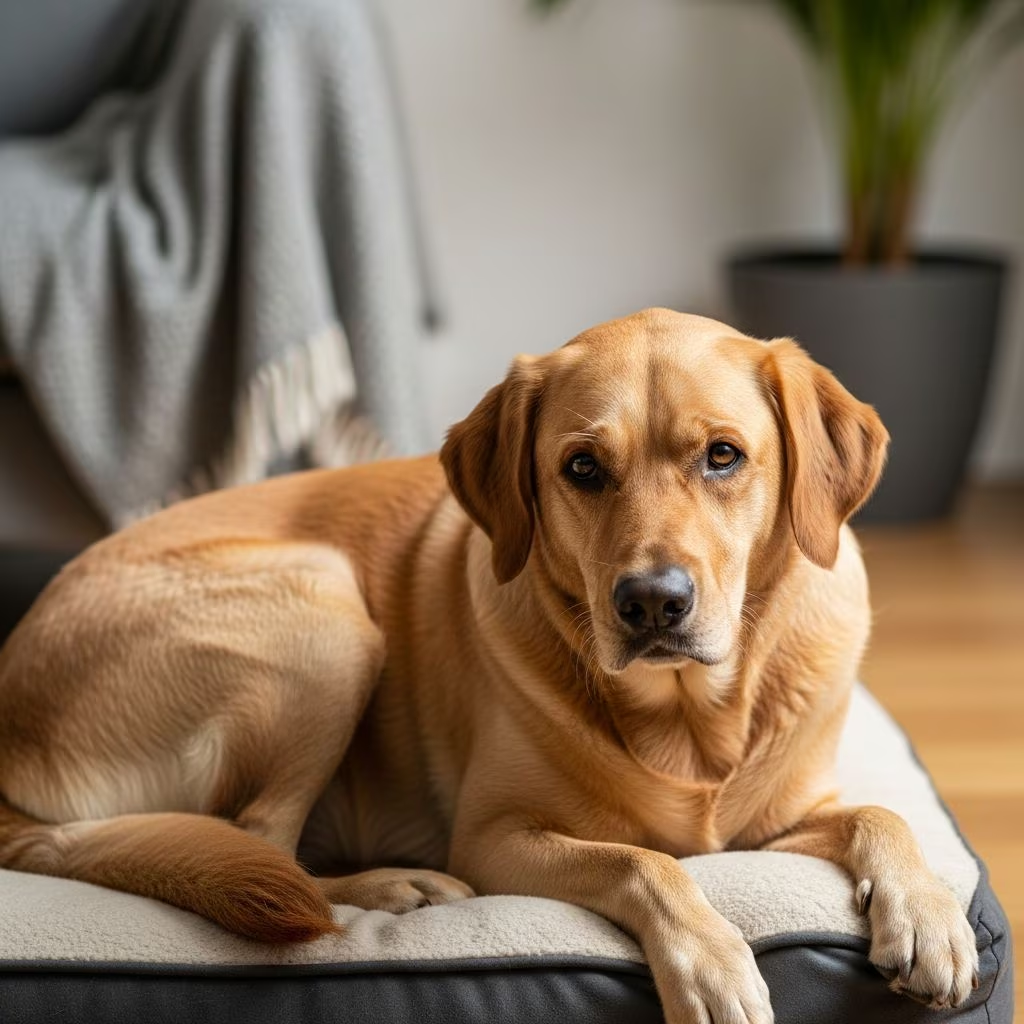
Constipation in dogs following surgery is a frequent issue that can cause significant discomfort but often resolves with targeted care. Understanding the underlying causes and implementing safe interventions helps ensure a faster recovery.
Understanding the Link Between Surgery and Digestive Slowdown
Surgical procedures disrupt normal bodily functions, particularly digestion. Anesthesia slows intestinal motility, reducing the contractions needed to move food through the gut. Pain medications, especially opioids like those in some analgesics, further bind to gut receptors, exacerbating slowdown. Pre-operative fasting empties the digestive tract, while post-op reduced eating and mobility compound the problem. Dehydration from limited water intake hardens stools, creating a cycle of discomfort.
Studies from veterinary sources indicate that up to 40% of dogs face temporary digestive challenges post-anesthesia, highlighting the need for proactive management.
Key Symptoms to Monitor in Your Recovering Dog
Early detection prevents escalation. Watch for these signs:
- Straining during attempts to defecate without producing stool
- Passage of small, hard, dry pellets
- Visible discomfort, whining, or restlessness around elimination time
- Loss of appetite or refusal to eat
- Lethargy or bloating in the abdomen
If symptoms persist beyond 48 hours, or include vomiting or blood in stool, professional evaluation is essential. Normal recovery may involve no bowel movement for 3-5 days, but straining signals intervention.
Safe Home Strategies for Relief
Focus on gentle, evidence-based approaches while awaiting veterinary guidance.
Boost Hydration Levels
Water is crucial for softening stools. Offer fresh water constantly and enhance appeal with low-sodium broth. Dilute meals with water or provide ice cubes to encourage intake, countering post-op fatigue that reduces drinking.
Incorporate Soluble Fiber Sources
Fiber draws water into the colon, easing passage. Plain canned pumpkin (1 tablespoon per 50 pounds body weight, twice daily) is highly effective and palatable. Alternatives like cooked sweet potato or bran can also help within 24-48 hours. Avoid pie filling due to added sugars.
Introduce Gentle Movement
Short leash walks stimulate peristalsis without overexertion. Start with 5-10 minutes as approved by your vet, building as recovery progresses. Restricted activity post-surgery often contributes to stasis, so measured exercise counters this.
Dietary Tweaks for Better Digestion
Transition to bland, digestible foods like boiled chicken and rice. Gradually mix in regular kibble to normalize patterns. Highly digestible recovery diets produce less bulk, aiding initial recovery.
| Remedy | Dosage Guideline | Expected Effect | Precautions |
|---|---|---|---|
| Canned Pumpkin | 1 Tbsp/50 lbs, 2x/day | Softens stool in 24-48 hrs | Plain only, no pie mix |
| Miralax | Mix into food 2x/day (vet dosed) | Draws water to intestines | Pharmacy grade, vet approval |
| Water/Broth | Ad libitum | Prevents hardening | Low-sodium broth |
| Short Walks | 5-10 min sessions | Stimulates motility | No strenuous activity |
Veterinary Interventions for Stubborn Cases
Over-the-counter human laxatives pose toxicity risks; always consult professionals. Vets may prescribe lactulose, stool softeners, or vegetable oil additives. For severe impaction, enemas, manual removal under anesthesia, or even surgery may be needed, though rare.
Timeline for action:
- Day 1-4: Normal, monitor
- Day 5+: Try home remedies
- Day 7 or straining/blood: Vet visit
Preventing Recurrence in Recovery and Beyond
Long-term habits safeguard digestive health. Maintain consistent feeding schedules, ensure constant water access, and include fiber-rich elements in diets. Routine exercise and regular vet check-ups catch issues early. Post-ortho surgery dogs benefit from mobility aids to encourage movement.
Special Scenarios and Risk Factors
Senior dogs, those with orthopedic repairs, or anal-area surgeries face higher risks due to pain or mobility limits. Weakened immunity post-op warrants limiting contact with unvaccinated pets to avoid secondary infections.
Frequently Asked Questions (FAQs)
How long is it safe to wait for a bowel movement after surgery?
Up to 4-6 days is common without concern, provided no straining occurs. Beyond that, intervene.
Is Miralax safe for dogs?
Yes, in vet-recommended doses; it hydrates the colon effectively without taste issues.
Can pain meds cause ongoing issues?
Opioids and NSAIDs like carprofen often contribute temporarily; discuss alternatives with your vet.
What if my dog vomits with constipation?
This indicates possible obstruction; seek emergency care immediately.
How does fasting before surgery affect this?
It clears the gut, delaying first post-op movement; resume eating prompts normalization.
Word Count Note
This guide provides comprehensive insights drawn from veterinary expertise to empower pet owners.
References
- Dog Constipated After Surgery Relief Tips — Pets Oasis Abu Dhabi. 2023. https://petsoasisabudhabi.ae/blog/dog-constipated-after-surgery-proven-ways-to-relieve-digestive-issues/
- My Dog Isn’t Pooping After Orthopedic Surgery — TopDog Health. 2023. https://topdoghealth.com/dog-isnt-pooping-after-surgery-dog-laxative-topdog-health/
- How to Treat Constipation After Surgery — Phil Zeltzman, DVM, DACVS (HRVSS). 2022-09. https://hrvss.com/wp-content/uploads/2022/09/Constipation.pdf
- Dog Constipation Causes and Treatment — WebMD Pets. 2023. https://www.webmd.com/pets/dogs/dog-constipation-causes-treatment
- Post Op Recovery FAQs — Quartet Veterinary Specialty Hospital. 2023. https://quartetvet.com/post-op-recovery-faqs/



