

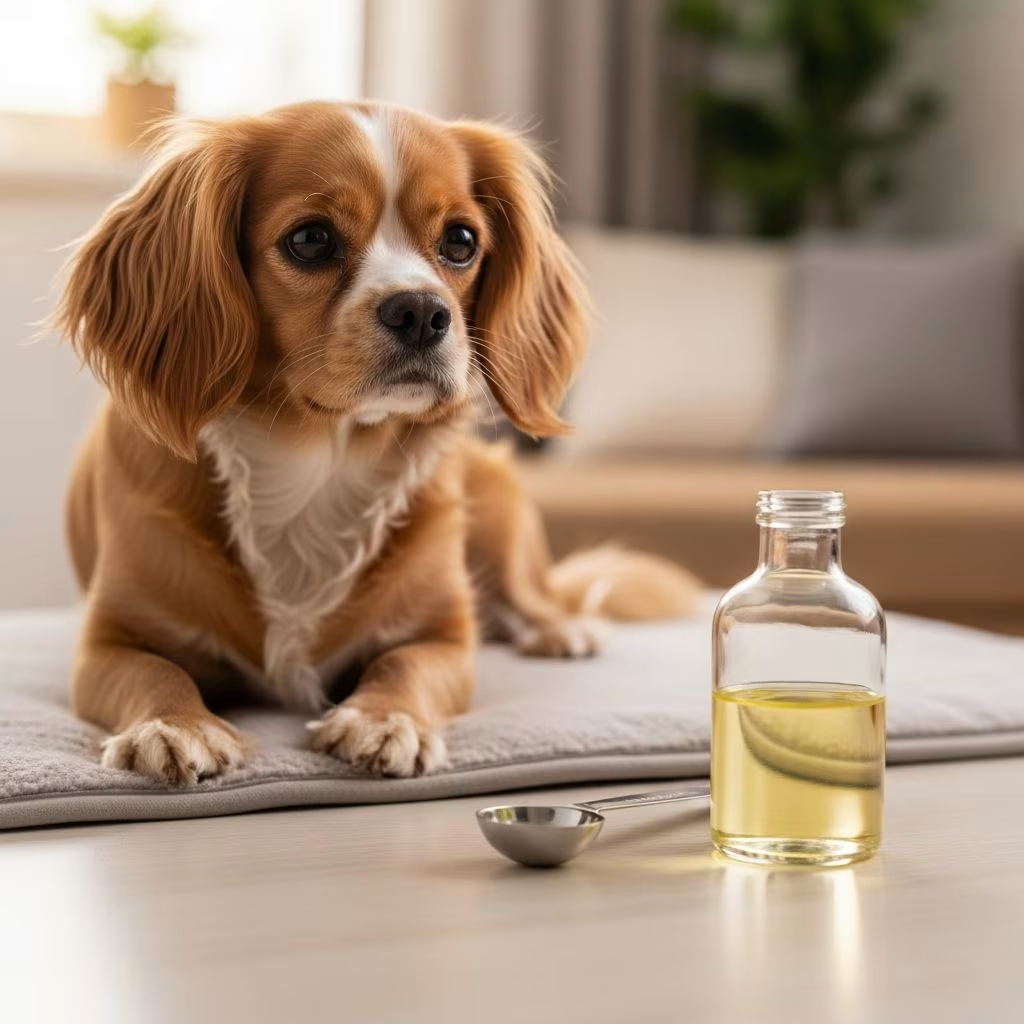
Constipation in dogs manifests as infrequent or difficult bowel movements, often due to dietary issues, dehydration, or blockages, and mineral oil serves as a lubricant to ease stool passage when used correctly under veterinary guidance.
Understanding Canine Constipation Basics
Dogs experience constipation when stool hardens or movement through the intestines slows, leading to discomfort and potential health complications if untreated. Common indicators include no defecation for over 48 hours, straining during attempts, production of small hard stools, or visible distress. Older dogs face higher risks due to conditions like enlarged prostates or reduced mobility, but puppies and adults can also be affected by sudden diet shifts or foreign object ingestion.
Primary Causes of Constipation in Dogs
Several factors contribute to this condition, ranging from lifestyle to medical issues. Identifying the root cause is essential before applying remedies like mineral oil.
- Dietary Imbalances: Low fiber intake or abrupt food changes harden stools, while excessive bones or indigestible items create blockages.
- Dehydration: Insufficient water from illness or hot weather thickens feces.
- Lack of Activity: Sedentary dogs, especially seniors, struggle with bowel motility.
- Grooming Habits: Long-haired breeds ingest fur during licking, forming hairballs that obstruct passages.
- Anal Gland Problems: Blocked sacs cause pain and reluctance to defecate.
- Medical Conditions: Prostate enlargement, tumors, neurological disorders, hypothyroidism, or pelvic injuries impede normal function.
- Medications: Diuretics, opioids, or antacids slow gut transit.
Addressing these through diagnostics like X-rays or blood tests ensures targeted treatment.
Role of Mineral Oil in Treatment
Mineral oil, a petroleum-based lubricant, coats the intestinal lining to soften stool and promote expulsion without stimulating contractions, making it suitable for short-term use. Veterinary sources recommend it for mild cases after ruling out obstructions, as it prevents water absorption from feces. Unlike stimulant laxatives, it acts gently but requires caution to avoid complications.
Safe Administration Guidelines
Always consult a vet for dosage, as it varies by dog size: typically 1 teaspoon per 10 pounds orally via syringe, administered every 12-24 hours for up to 3 days. Mix with food if refusal occurs, but monitor for immediate effects. Never use with enemas or if vomiting is present.
| Dog Weight | Approximate Dose | Frequency |
|---|---|---|
| Small (under 20 lbs) | 1/2 – 1 tsp | Once daily |
| Medium (20-50 lbs) | 1-2 tsp | Every 12 hours |
| Large (over 50 lbs) | 1 tbsp – 2 tbsp | Once daily |
This table provides general guidance; professional adjustment is mandatory.
Potential Risks and Side Effects
Improper use of mineral oil can lead to aspiration pneumonia if inhaled, diarrhea from overuse, or vitamin deficiencies with prolonged application due to fat-soluble nutrient interference. Avoid in puppies under 6 months, dehydrated dogs, or those with megaesophagus. Lipoid pneumonia risk underscores vet supervision.
Complementary Home Remedies
Besides mineral oil, incorporate fiber sources like canned pumpkin (1-4 tbsp daily), which adds bulk without irritation. Increase water intake via broths, encourage walks, and consider probiotics for gut health[10]. Goat milk in small amounts aids some dogs.
- Pureed pumpkin: High soluble fiber softens stool naturally.
- Olive or coconut oil: 1 tsp lubricates mildly[10].
- Bone broth: Hydrates and entices eating[10].
Veterinary Interventions for Severe Cases
If home efforts fail within 48 hours, seek professional care. Vets may perform enemas (never DIY), manual fecal removal, or prescribe lactulose/PEG laxatives. Fluid therapy corrects dehydration, while diagnostics identify tumors or megacolon. Prescription high-fiber diets like Hill’s Gastrointestinal Biome support long-term management.
Preventive Strategies for Optimal Digestive Health
Proactive measures reduce recurrence: maintain balanced diets with 2-5% fiber, ensure constant fresh water, promote daily exercise, groom regularly to minimize hair ingestion, and schedule anal gland checks. Transition foods gradually and avoid table scraps or bones. Annual vet exams catch early issues in seniors.
When to Seek Immediate Veterinary Help
Rush to the vet if constipation persists beyond 3 days, or accompanies vomiting, lethargy, abdominal swelling, blood in stool, or loss of appetite—these signal obstructions or megacolon. Puppies, seniors, or chronic cases warrant prompt evaluation.
FAQs on Dog Constipation and Mineral Oil
Can I give my dog mineral oil without vet approval?
No, always consult first to confirm safety and dosage.
How long does mineral oil take to work in dogs?
Effects appear in 6-48 hours; discontinue if no improvement.
Is canned pumpkin better than mineral oil?
Pumpkin prevents issues safely long-term, while oil treats acutely[10].
What if my dog has bloody stool with constipation?
Seek emergency care, as it may indicate serious problems.
Can exercise alone resolve constipation?
Often yes for mild cases, combined with hydration.
Long-Term Management for Recurrent Constipation
For prone dogs, custom diets, motility drugs like cisapride, or behavioral training address psychogenic holds. Monitor weight to prevent matted fur around the anus.
References
- Constipation in Dogs: Causes, Symptoms & Treatment — AnimERge Vets. 2020-12-21. https://www.animergevets.com/site/blog/2020/12/21/constipation-dogs-causes-symptoms-treatment
- Constipation in Dogs: Causes, Symptoms & Treatment — St. Louis Animal Emergency Center. 2023-06-30. https://www.stlouisanimalemergencyclinic.org/site/blog/2023/06/30/constipation-dogs
- Dog Constipation Causes and Treatment — WebMD Pets. N/A. https://www.webmd.com/pets/dogs/dog-constipation-causes-treatment
- Constipation in Dogs — VCA Animal Hospitals. N/A. https://vcahospitals.com/know-your-pet/constipation-in-dogs
- Dog Constipation: Treatment and When To Call Your Vet — PetMD. N/A. https://www.petmd.com/dog/symptoms/dog-constipation
- Dog Constipation: Causes, Diagnosis, and Treatment — American Kennel Club. N/A. https://www.akc.org/expert-advice/health/dog-constipation/



