

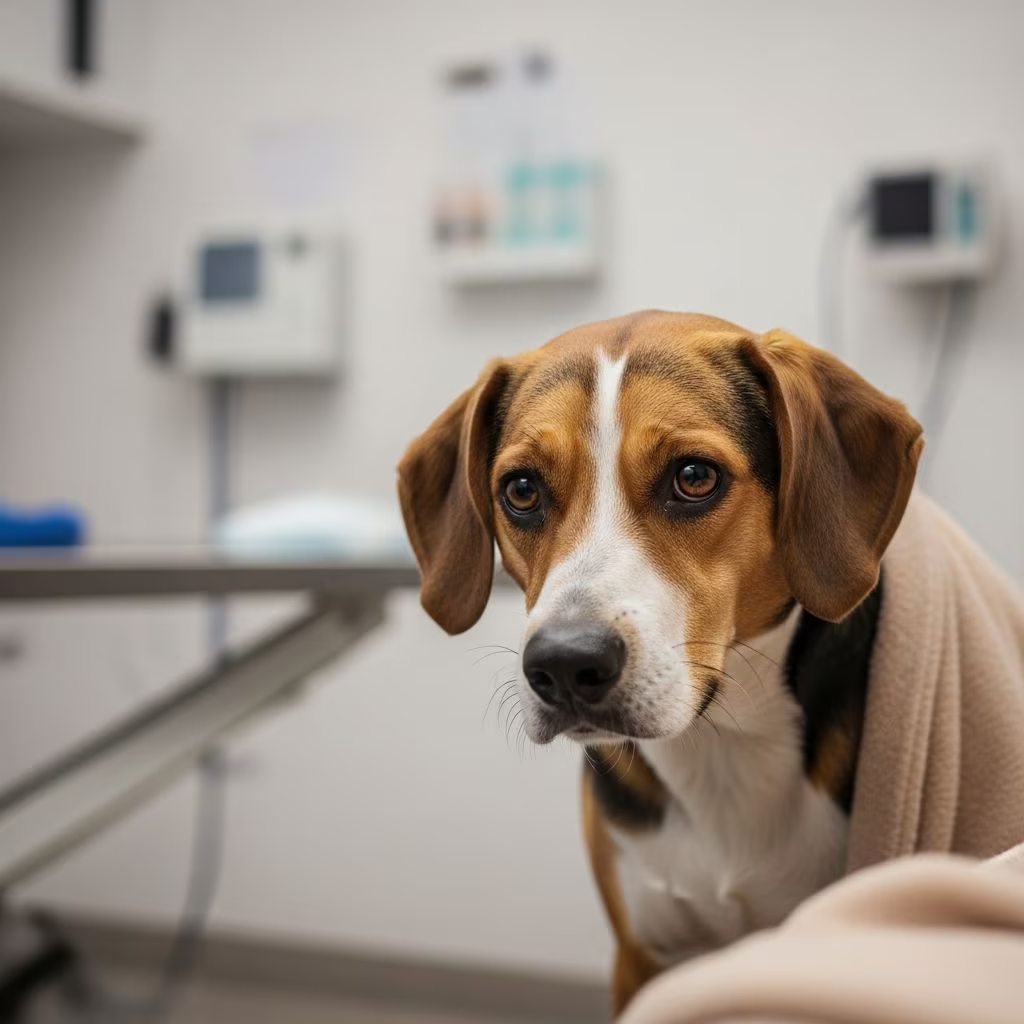
Constipation affects dogs of all ages, disrupting their comfort and daily routines. Recognizing early signs and addressing root causes promptly can restore normal bowel function and prevent complications. This guide draws from veterinary insights to equip pet owners with actionable knowledge.
Understanding Canine Digestive Blockages
Dogs experience constipation when stool becomes hard, dry, and difficult to pass, often due to slowed intestinal movement. Unlike brief irregularities, persistent issues signal underlying problems requiring attention. Factors like age, breed, and lifestyle influence susceptibility, with seniors facing higher risks from reduced mobility or organ changes.
Primary Triggers Behind Constipation
Multiple elements contribute to this condition. Identifying the trigger guides effective intervention.
- Dehydration from illness: Conditions causing fluid loss harden stools, impeding passage.
- Dietary imbalances: Too little or excess fiber, abrupt food switches, or low-quality kibble disrupt digestion.
- Inactivity: Sedentary dogs process waste slower, leading to compaction.
- Anal gland issues: Blocked or infected sacs cause discomfort during elimination.
- Excess grooming: Ingested fur forms blockages in the gut.
- Prostate enlargement: Common in unneutered males, it obstructs the rectum.
- Foreign objects: Swallowed toys, bones, or debris create obstructions.
- Neurological or orthopedic problems: Pain or nerve issues hinder proper positioning.
- Medications or tumors: Side effects or growths impede flow.
These factors often overlap, especially in older dogs where age-related slowdowns amplify risks.
Key Indicators of Trouble
Watch for behavioral and physical cues. Early detection averts escalation.
| Symptom | Description | Urgency Level |
|---|---|---|
| Infrequent bowel movements | No stool for 48+ hours | High |
| Straining or crying | Visible effort with little output | High |
| Hard, pebble stools | Dry, small lumps | Medium |
| Blood or mucus | In stool or around anus | Emergency |
| Lethargy or appetite loss | General discomfort | Medium |
Symptoms like bloody discharge demand immediate veterinary evaluation to rule out obstructions or tears.
Safe At-Home Remedies
Mild cases often resolve with simple adjustments, but monitor closely and consult a vet if no improvement in 48 hours.
- Hydration boost: Ensure constant fresh water access; add low-sodium broth to encourage drinking.[10]
- Fiber addition: Mix 1-2 tsp canned pumpkin (plain), wheat bran, or Metamucil into meals. Start small to avoid gas.
- Exercise routine: Daily walks stimulate peristalsis, the gut’s natural wave motion.
- Diet upgrade: Switch to high-fiber prescription formulas under vet guidance.
- Oils for lubrication: A tsp of olive or coconut oil per 20lbs body weight, occasionally.[10]
Avoid milk unless lactose-tolerant, as it may worsen diarrhea.
Professional Interventions Explained
When home efforts fail, vets employ targeted therapies.
- Stool softeners/laxatives: Vet-prescribed to draw water into bowels safely.
- Enemas: Administered in-clinic only; DIY risks perforation or toxicity.
- Manual extraction: Gloved finger removal for severe impactions.
- Fluid therapy: IV or subcutaneous to rehydrate systemically.
- Probiotics: Restore gut flora, e.g., FortiFlora, aiding motility.
- Surgery: Rare, for tumors or unresolvable blockages.
Treatment hinges on diagnostics like X-rays or bloodwork to pinpoint causes.
Breed and Age-Specific Considerations
Certain profiles face elevated risks. Brachycephalic breeds (e.g., Bulldogs) or long-haired ones (e.g., Collies) battle matted fur or grooming overload. Seniors suffer from megacolon, where colon muscles weaken. Puppies rarely constipate unless dehydrated or parasite-laden.
Prevention Blueprint for Lifelong Gut Health
Proactive habits minimize recurrence.
- Consistent diet: High-quality, fiber-balanced food; gradual changes only.
- Daily activity: 30+ minutes walking, tailored to fitness.
- Grooming regimen: Regular brushing prevents hair ingestion; check anal area.
- Water monitoring: Multiple bowls; ice cubes for fun.[10]
- Routine checkups: Annual exams catch issues early, especially for intact males.
- Weight control: Obesity exacerbates positioning pain.
Table of preventive fiber sources:
| Source | Fiber Type | Serving Suggestion |
|---|---|---|
| Canned Pumpkin | Soluble | 1 tsp per 10lbs daily |
| Wheat Bran | Insoluble | 1/2 tsp mixed in food |
| Sweet Potato | Mixed | Cooked, mashed, small amounts |
| Green Beans | Insoluble | Steamed as topper |
When to Rush to the Vet
Act fast if:
- No stool in 3 days with straining.
- Vomiting, bloating, or collapse.
- Bloody stool or extreme pain.
- Recent trauma or surgery.
These signal potential megacolon, obstruction, or toxicity.
Common Myths Debunked
Myth 1: Laxatives from human pharmacies are safe. Fact: Dosages differ; toxicity risks high.
Myth 2: Bones prevent constipation. Fact: They often cause it via splinters.
Myth 3: All fiber helps equally. Fact: Balance soluble/insoluble needed.
Frequently Asked Questions
How long can a dog go without pooping?
Up to 48 hours is common; beyond requires vet check.
Is canned pumpkin safe daily?
Yes, in moderation (1-4 tbsp based on size); plain, unsweetened.[10]
Can stress cause constipation?
Yes, via slowed digestion; routine stabilizes.
What if my dog has recurrent episodes?
Investigate megacolon or hypothyroidism via diagnostics.
Are probiotics effective?
Often, by balancing microbiome; vet-recommended strains best.
Integrating these strategies promotes digestive resilience. Consistent care ensures your dog thrives without discomfort.
References
- Constipation in Dogs: Causes, Symptoms & Treatment — Animerge Vets. 2020-12-21. https://www.animergevets.com/site/blog/2020/12/21/constipation-dogs-causes-symptoms-treatment
- Constipation in Dogs: Causes, Symptoms & Treatment — Rivergate Veterinary Clinic. 2024-06-30. https://www.rivergateveterinaryclinic.com/site/blog/2024/06/30/constipation-dogs
- Constipation in Dogs: Causes, Symptoms & Treatment — St. Louis Animal Emergency Clinic. 2023-06-30. https://www.stlouisanimalemergencyclinic.org/site/blog/2023/06/30/constipation-dogs
- Dog Constipation Causes and Treatment — WebMD. N/A. https://www.webmd.com/pets/dogs/dog-constipation-causes-treatment
- Constipation in Dogs — PetMD. N/A. https://www.petmd.com/dog/symptoms/dog-constipation



