
Dog Constipation Guide
Comprehensive strategies for relieving and preventing constipation in dogs through diet, exercise, and veterinary care.
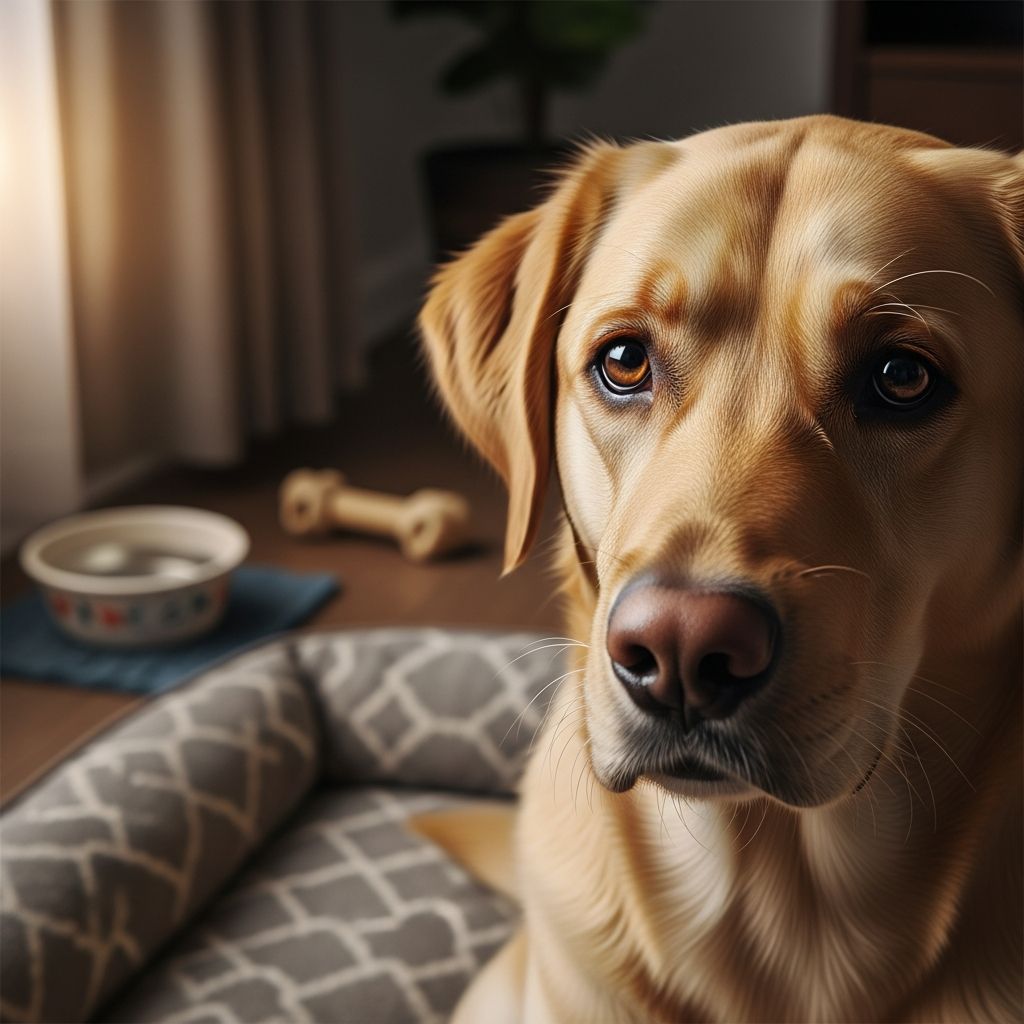
Constipation affects dogs of all ages and breeds, disrupting their comfort and daily routines. Recognizing early signs and addressing root issues promptly can restore normal bowel function and prevent complications. This guide details everything pet owners need to know about managing this common digestive problem.
Recognizing the Signs of Constipation in Canines
Dogs unable to pass stool regularly experience distress that owners often notice during walks or backyard time. Key indicators include no bowel movement for over 48 hours, alongside visible straining or discomfort while squatting. Hard, dry droppings resembling small pebbles signal dehydration or slow transit through the intestines.
- Intense straining with minimal or no stool output
- Crying out or vocalizing during defecation attempts
- Loss of appetite paired with abdominal bloating
- Lethargy or reluctance to move due to pain
- Mucus or traces of blood on hard stools
These symptoms differ from diarrhea, where loose stools pass frequently. In senior dogs, such issues arise more often due to reduced mobility or age-related conditions like enlarged prostates in males. Puppies might show similar signs from dietary indiscretions, such as eating non-food items.
Common Triggers Behind Bowel Irregularities
Multiple factors contribute to stool hardening and retention in the colon. Lifestyle habits top the list, with sedentary routines slowing intestinal motility. Diets lacking balance—too low or excessively high in fiber—exacerbate the problem, as does sudden food switches without gradual transitions.
| Category | Examples | Impact |
|---|---|---|
| Environmental | Lack of exercise, matted fur around hindquarters | Reduces gut movement, blocks passage |
| Dietary | Dehydration, bone ingestion, fiber imbalance | Dries stool, causes obstructions |
| Medical | Anal gland issues, prostate enlargement, tumors | Pain or physical blockage |
| Other | Medications, neurological problems, trauma | Alters nerve signals or causes inflammation |
Foreign objects like toys, gravel, or plant matter often lodge in the tract, demanding urgent attention. Grooming excessively leads to hair ingestion, forming blockages akin to hairballs in cats. Underlying diseases, including hypothyroidism or kidney dysfunction, indirectly promote dehydration and sluggish bowels.
Immediate Home Strategies for Relief
Before rushing to the vet, try safe adjustments to encourage elimination. Boost hydration by ensuring fresh water access and adding low-sodium broth to meals, softening stool naturally. Incorporate exercise like brisk walks to stimulate peristalsis—the wave-like muscle contractions moving waste.
Fiber supplementation proves effective for mild cases. Plain canned pumpkin (not pie filling) provides soluble fiber that draws water into the colon. A teaspoon per 10 pounds of body weight mixed into food twice daily often yields results within 24 hours. Wheat bran or psyllium products like unflavored Metamucil serve similar purposes, starting with small doses to avoid gas.
- Increase water intake via fountains or flavored additives
- Daily 20-30 minute walks post-meals
- Pumpkin puree: 1-4 tablespoons based on size
- Avoid bones, table scraps, or dairy unless vet-approved
Small amounts of goat’s milk can act as a mild laxative for some dogs, lubricating the intestines. Monitor for 48 hours; if no improvement, professional help is essential to rule out obstructions.
Advanced Veterinary Interventions
When home efforts fail, vets diagnose via physical exams, radiographs, or bloodwork to pinpoint causes. Treatments escalate based on severity. Fluid therapy rehydrates systemically, often via subcutaneous injections.
Enemas, administered solely by professionals, flush the lower colon but carry risks like perforation if mishandled. Manual fecal extraction under sedation removes impacted material safely. Prescription options include lactulose for osmosis—pulling water into bowels—or cisapride to enhance contractions.
For chronic cases, high-fiber therapeutic diets from brands like Hill’s Prescription Diet promote long-term regularity. Probiotics such as FortiFlora restore gut flora balance. Dewormers address parasites mimicking constipation. Surgery intervenes for tumors or strictures, a last resort.
Breed and Age-Specific Considerations
Certain breeds like brachycephalics (e.g., Bulldogs) or long-haired types (e.g., Shih Tzus) face heightened risks from anatomy or grooming needs. Seniors benefit from low-residue diets minimizing waste bulk over time, unlike short-term high-fiber fixes. Puppies require gentler approaches, focusing on deworming and diet stabilization.
Male dogs over seven years warrant prostate checks, as benign hyperplasia compresses the rectum. Obese pets struggle with positioning; weight management via controlled calories prevents recurrence.
Prevention Blueprint for Lifelong Digestive Wellness
Maintain consistency in feeding schedules and quality kibble suited to life stage. Rotate fibers gradually and groom regularly to prevent perianal mats. Annual vet checkups catch early anal sac or endocrine issues.
- Schedule two meals daily with measured portions
- Provide constant fresh water and exercise routines
- Groom hindquarters weekly, especially in long-coated breeds
- Transition foods over 7-10 days
- Monitor stool during medication courses
Proactive steps reduce emergency visits, ensuring happier, healthier companionship.
Frequently Asked Questions
Can I give my dog human laxatives?
No—formulations differ and may cause toxicity. Consult vets for canine-safe alternatives like lactulose.
How long before constipation becomes dangerous?
Beyond 48-72 hours, risks like megacolon or perforation rise. Seek care immediately.
Is olive oil helpful for constipated dogs?
In small doses (1 tsp per 20 lbs), it lubricates, but overuse leads to diarrhea. Vet approval recommended.
What if my dog passes liquid stool around hard feces?
This leaky appearance signals obstipation—severe impaction needing urgent vet intervention.
Does stress cause constipation in dogs?
Yes, anxiety slows motility. Calming aids and routines help.
Long-Term Management for Recurrent Issues
Dogs with histories demand tailored plans. Track bowel patterns in journals noting diet, activity, and stool quality. Prescription low-residue formulas digest efficiently, reducing colon workload. Enzyme inhibitors or nerve stimulants address motility deficits. Regular anal gland expressions prevent blockages.
Holistic additions like omega-3 supplements support colon health. Owners report success blending pumpkin routines with daily probiotics. Weight control via measured kibble prevents obesity-linked strains. For prostate cases, neutering often resolves enlargement.
Integrate these into lifestyles for sustained relief. Vets may recommend motility drugs long-term post-obstruction clearance. Patience and observation key to customizing approaches.
References
- Constipation in Dogs: Causes, Symptoms & Treatment — St. Louis Animal Emergency Clinic. 2023-06-30. https://www.stlouisanimalemergencyclinic.org/site/blog/2023/06/30/constipation-dogs
- Dog Constipation: Treatment and When To Call Your Vet — PetMD. N/A. https://www.petmd.com/dog/symptoms/dog-constipation
- Constipation in Dogs: Causes, Symptoms, Treatment — AnimERge. 2020-12-21. https://www.animergevets.com/site/blog/2020/12/21/constipation-dogs-causes-symptoms-treatment
- Constipation in Dogs — VCA Animal Hospitals. N/A. https://vcahospitals.com/know-your-pet/constipation-in-dogs
- Dog Constipation Causes and Treatment — WebMD. N/A. https://www.webmd.com/pets/dogs/dog-constipation-causes-treatment
- Dog Constipation: Causes, Diagnosis, and Treatment — American Kennel Club. N/A. https://www.akc.org/expert-advice/health/dog-constipation/
Similar Articles








Read full bio of Sneha Tete




