

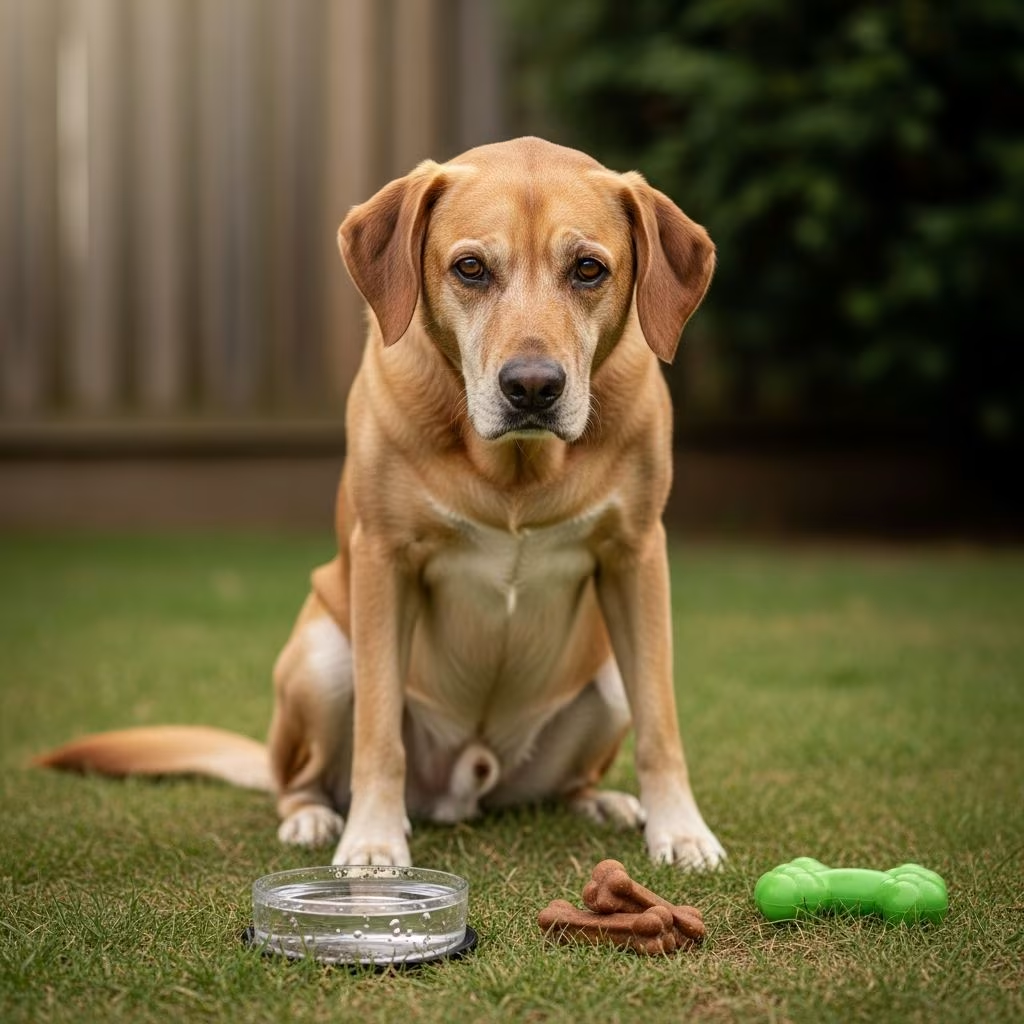
Constipation affects dogs of all ages, disrupting their comfort and daily routines. Prompt recognition and action can resolve most cases quickly, preventing complications like megacolon or obstipation. This guide draws from veterinary insights to help owners navigate this common issue effectively.
Recognizing the Signs of Constipation in Dogs
Dogs unable to pass stool regularly show clear behavioral and physical cues. Owners often notice their pet straining during defecation attempts, sometimes crouching repeatedly without success. Hard, dry stools resembling small pebbles indicate slowed intestinal transit.
Other symptoms include visible discomfort, such as whining or restlessness while trying to eliminate. If no bowel movement occurs for over 48 hours, concern rises. Additional red flags are mucus or blood in scant stool output, abdominal bloating, or loss of appetite linked to gut distress.
- Straining or unproductive squatting sessions
- Hard, fragmented feces
- Crying out in pain during elimination
- Infrequent or absent defecation (beyond 2 days)
- Lethargy or reduced eating due to discomfort
Senior dogs face higher risks from age-related slowdowns, but puppies and adults aren’t immune, especially with dietary shifts or inactivity.
Primary Causes Behind Canine Constipation
Multiple factors contribute to constipation, often overlapping. Dietary imbalances top the list: too little fiber hardens stools, while sudden food changes shock the gut.
Dehydration from illness or low water intake thickens feces, making passage difficult. Lack of exercise slows peristalsis, the wave-like muscle contractions moving waste.
| Cause Category | Examples | Common in Which Dogs? |
|---|---|---|
| Diet-Related | Low fiber, diet switches, indigestible items (bones, toys) | All ages, especially picky eaters |
| Physical Blockages | Anal sac issues, matted fur, tumors, ingested objects | Obese or long-haired breeds |
| Health Conditions | Dehydration, prostate enlargement, neurological disorders | Seniors, males |
| Lifestyle | Sedentary habits, excessive grooming (hair ingestion) | Indoor or inactive dogs |
Medical triggers like medications (e.g., diuretics), orthopedic pain hindering squatting, or pelvic trauma exacerbate the problem. Hypothyroidism or renal disease indirectly contribute by altering metabolism.
Health Risks if Constipation Persists
Untreated constipation escalates to obstipation, where stool becomes rock-hard and immovable, risking rectal tears or toxicity from absorbed waste products. Chronic cases lead to megacolon, a dilated colon losing motility.
In severe instances, vomiting, severe bloating, or sepsis may occur, demanding emergency care. Older dogs with prostate issues or tumors face heightened complications.
Step-by-Step Home Remedies for Mild Cases
For short-term constipation without distress, start conservatively. Boost hydration by adding water to meals or using fountains to encourage drinking. Incorporate safe fiber sources like plain canned pumpkin (1-4 tablespoons based on size) or wheat bran.
- Assess duration: If under 48 hours and mild, proceed.
- Increase water intake immediately.
- Add fiber: Pumpkin (not pie filling), bran, or Metamucil (vet-dosed).
- Promote walks: 20-30 minutes multiple times daily.
- Monitor: Improvement expected in 24-48 hours.
A small amount of plain goat’s milk can act as a mild laxative for some dogs, but avoid overdoing it to prevent diarrhea.
Caution: Never administer human laxatives without vet approval; they can cause toxicity or electrolyte imbalance.
Professional Veterinary Interventions
When home efforts fail or symptoms intensify, vets diagnose via physical exam, X-rays, or bloodwork to rule out blockages or systemic issues.
Treatments include:
- Stool Softeners/Laxatives: Prescription options lubricate and promote motility.
- High-Fiber Diets: Therapeutic foods like those restoring gut biome.
- Enemas: Administered only by professionals to avoid perforation or saline toxicity.
- Manual Extraction: Gloved finger removal under sedation for impactions.
- Fluid Therapy: IV or subcutaneous to combat dehydration.
- Probiotics: To support gut flora balance.
For underlying causes like anal gland abscesses, expression or antibiotics follow. Prostate issues in intact males may require neutering.
Breed and Age-Specific Considerations
Brachycephalic breeds (e.g., Bulldogs) or long-haired ones (e.g., Shih Tzus) prone to matting need regular grooming. Large breeds like German Shepherds may suffer from orthopedic pain limiting movement.
Seniors benefit from routine checks for hypothyroidism or megacolon precursors. Puppies with parasites require deworming alongside fiber adjustments.
Preventing Recurrence Through Daily Habits
Consistency prevents most episodes. Feed high-quality, fiber-balanced diets suited to life stage. Ensure constant fresh water access and portion control to avoid obesity-linked matting.
- Split meals into 2-3 smaller ones for steady digestion.
- Daily exercise: At least 30 minutes of walking or play.
- Groom regularly, especially rear areas.
- Transition foods gradually over 7-10 days.
- Annual vet exams for early detection of issues like enlarged prostate.
Probiotics maintain microbiome health, reducing constipation risk.
When to Rush to the Vet
Seek immediate care if:
- No stool in 3+ days.
- Bloody/mucousy feces or vomiting.
- Extreme lethargy, bloating, or collapse.
- Recent trauma, surgery, or medication changes.
These signal potential obstructions or toxicities requiring urgent intervention.
Frequently Asked Questions (FAQs)
Can I give my dog olive oil for constipation?
In small amounts (1 tsp per 20 lbs), it may lubricate, but consult a vet first to avoid diarrhea or pancreatitis.
How long can a dog go without pooping?
Up to 48 hours is common, but beyond that, vet evaluation is essential.
Is canned pumpkin safe for all dogs?
Yes, plain varieties provide soluble fiber; start small to monitor tolerance.
Does stress cause dog constipation?
Yes, anxiety slows gut motility; calming aids and routines help.
What about milk for constipated dogs?
Goat’s milk in moderation works for lactose-tolerant dogs; cow’s milk often causes issues.
Armed with this knowledge, owners can support their dog’s digestive wellness proactively.
References
- Constipation in Dogs: Causes, Symptoms & Treatment — AnimERge Vets. 2020-12-21. https://www.animergevets.com/site/blog/2020/12/21/constipation-dogs-causes-symptoms-treatment
- Constipation in Dogs: Causes, Symptoms & Treatment — Rivergate Veterinary Clinic. 2024-06-30. https://www.rivergateveterinaryclinic.com/site/blog/2024/06/30/constipation-dogs
- Constipation in Dogs: Causes, Symptoms & Treatment — St. Louis Animal Emergency Clinic. 2023-06-30. https://www.stlouisanimalemergencyclinic.org/site/blog/2023/06/30/constipation-dogs
- Dog Constipation Causes and Treatment — WebMD Pets. N/A. https://www.webmd.com/pets/dogs/dog-constipation-causes-treatment
- Dog Constipation: Treatment and When To Call Your Vet — PetMD. N/A. https://www.petmd.com/dog/symptoms/dog-constipation



