

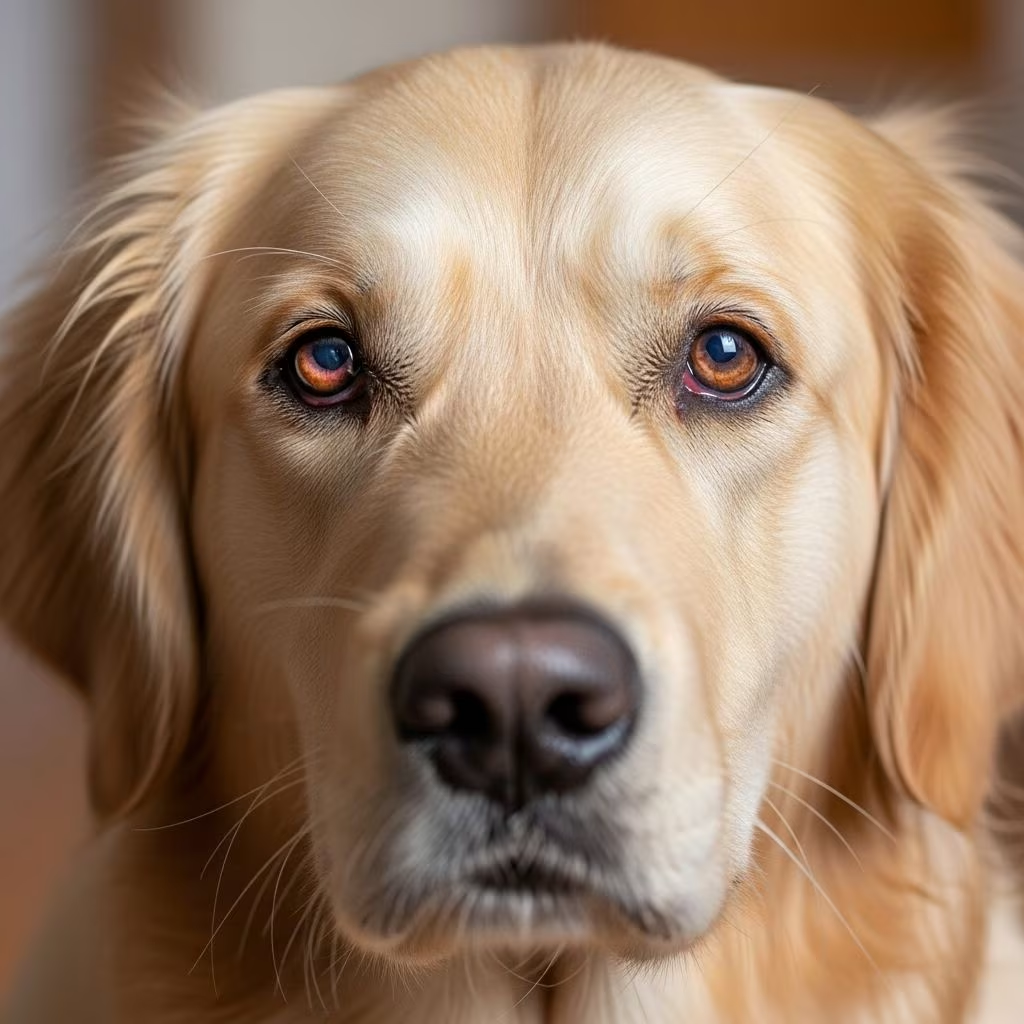
Conjunctivitis, often called pink eye, affects the thin membrane covering a dog’s eyeball and inner eyelids, leading to discomfort and potential complications if untreated. This condition is common in dogs and requires prompt veterinary attention to identify the root cause and initiate appropriate care.
Recognizing the Signs of Conjunctivitis in Dogs
Dogs with conjunctivitis typically show visible changes in their eyes. The most noticeable symptom is redness in the whites of the eyes or the lining of the eyelids, caused by inflammation of the conjunctiva. Owners often observe excessive tearing or unusual discharge, which can range from watery to thick and colored green or yellow if infection is involved.
- Swollen eyelids or puffiness around the eyes
- Frequent pawing or rubbing at the face
- Squinting or keeping eyes partially closed due to pain or light sensitivity
- Cloudy appearance or visible blood vessels in the eye
- In severe cases, eyelid sticking together from dried discharge
These signs can affect one or both eyes, and severity varies based on the underlying issue. Early detection prevents progression to corneal damage or vision loss.
Common Triggers Behind Canine Conjunctivitis
Conjunctivitis in dogs arises from multiple factors, rarely occurring in isolation. Infections top the list, with bacterial agents like staphylococci causing primary or secondary issues, often signaled by pus-like discharge. Viral culprits include canine herpesvirus-1 (CHV-1) and adenovirus-2, which inflame the conjunctival epithelium and may lead to broader systemic effects.
Allergies to pollen, dust, mold, or smoke provoke immune responses, resulting in itchy, inflamed eyes without contagion risk. Physical irritants such as grass seeds, dirt, or sand embed in the eye, sparking acute reactions that demand immediate removal.
| Cause Category | Examples | Key Features |
|---|---|---|
| Infectious | Bacterial (Staphylococci), Viral (CHV-1) | Discharge, contagious potential |
| Allergic | Pollen, dust, environmental irritants | Itchy, seasonal, bilateral |
| Traumatic | Foreign bodies, scratches | Sudden onset, unilateral often |
| Structural | Dry eye (KCS), entropion, ectopic cilia | Chronic irritation, breed-related |
Breed predispositions play a role; collies suffer nodular episcleritis, while conditions like keratoconjunctivitis sicca (KCS or dry eye) reduce tear production, fostering chronic inflammation. Eyelid malpositions—entropion (inward curl) or ectropion (outward)—expose the eye to irritants, and blocked tear ducts trap debris. Parasites, tumors, glaucoma, or uveitis further complicate matters.
When to Seek Veterinary Help Immediately
Not all eye redness warrants panic, but persistent or worsening symptoms demand professional evaluation. Contact a vet if discharge persists beyond 24 hours, eyes appear painful, or vision seems impaired. Delays risk secondary infections or ulcers, especially in breeds prone to eye issues.
Vets perform thorough exams, possibly using fluorescein dye to detect scratches, Schirmer tear tests for dry eye, or cultures for infections. Biopsies confirm immune-mediated cases. Accurate diagnosis tailors treatment, avoiding ineffective home remedies that could worsen damage.
Treatment Strategies Tailored to the Cause
Effective management hinges on pinpointing the trigger. Bacterial cases receive topical antibiotics like oxytetracycline, erythromycin ointments, or systemic doxycycline. Viral infections, less common primarily, benefit from antivirals such as cidofovir or trifluridine alongside infection prevention.
Allergy-driven episodes respond to antihistamines, anti-inflammatory drops, or eliminating triggers like smoke. Foreign bodies require sedation for safe extraction, followed by antibiotics. Dry eye demands lifelong cyclosporine or tacrolimus to boost tears, plus lubricants.
- Topical therapies: Antibiotic/steroid drops applied 2-3 times daily for 1-2 weeks
- Surgical options: For entropion, blocked ducts, or cilia abnormalities
- Supportive care: E-collars to prevent rubbing, cold compresses for swelling
Immune conditions like plasma cell conjunctivitis in German Shepherds or pemphigus need corticosteroids, cyclosporine combos, or niacinamide-tetracycline orally. Lifelong maintenance is common for chronic issues. Most dogs recover fully with compliance, though monitoring prevents relapses.
Breed-Specific Vulnerabilities and Prevention Tips
Certain breeds face heightened risks. Collies and mixes develop nodular episcleritis, managed topically or with injections. Brachycephalics like Pugs suffer from lagophthalmos (incomplete lid closure), while Shar-Peis battle entropion.
Prevention focuses on hygiene: regular face cleaning, avoiding irritants, and prompt injury checks during play. Annual vet eye screens catch early KCS or structural flaws. Balanced diets support ocular health, and parasite controls deter worm-related issues.
Potential Complications and Long-Term Outlook
Untreated conjunctivitis escalates to keratitis, ulcers, or glaucoma, threatening sight. Bacterial overgrowth or viral spread affects littermates. Prognosis excels with early intervention—over 90% resolve without sequelae. Recheck exams ensure healing, adjusting therapies as needed.
Frequently Asked Questions About Dog Conjunctivitis
Is dog conjunctivitis contagious to humans?
Rarely; bacterial or viral forms specific to canines pose minimal human risk, though hygiene prevents cross-pet spread.
Can I treat my dog’s pink eye at home?
No—self-treatment risks worsening; vet-prescribed meds are essential.
How long does recovery take?
Typically 1-3 weeks with treatment; chronic cases need ongoing care.
What if only one eye is affected?
Often trauma or foreign body; still requires vet check to rule out systemic issues.
Does dry eye always cause conjunctivitis?
Frequently, as poor lubrication invites infection; tear stimulants prevent this.
Supporting Your Dog’s Eye Health Daily
Beyond treatment, integrate eye care routines: wipe daily with saline, monitor for changes, and schedule wellness visits. Vaccinations against distemper reduce viral risks. Nutrition with omega-3s aids tear film stability. Vigilance ensures your dog’s bright eyes stay that way.
References
- Causes & Treatments for Conjunctivitis in Dogs — Greensboro Specialty Veterinary. 2020-07-24. https://www.greensboro.carolinavet.com/site/greensboro-specialty-veterinary-blog/2020/07/24/causes–treatments-for-conjunctivitis-in-dogs
- Diagnosing, Treating, and Managing Causes of Conjunctivitis in Dogs and Cats — Today’s Veterinary Practice. N/A. https://todaysveterinarypractice.com/ophthalmology/conjunctivitis-in-dogs-and-cats/
- Conjunctivitis in Dogs: Causes, Symptoms, and Treatment — Park Vet Group. N/A. https://www.parkvetgroup.com/pet-help-advice/dogs/412-conjunctivitis-in-dogs-causes-symptoms-and-treatment
- Conjunctivitis in Dogs — VCA Animal Hospitals. N/A. https://vcahospitals.com/know-your-pet/conjunctivitis-in-dogs
- Conjunctivitis (Pink Eye) in Dogs — Small Door Veterinary. N/A. https://www.smalldoorvet.com/learning-center/medical/pink-eye-in-dogs
- How to Spot and Treat Conjunctivitis in Dogs — Blue Cross. N/A. https://www.bluecross.org.uk/advice/dog/health-and-injuries/conjunctivitis-in-dogs
- Conjunctivitis in Dogs: A Comprehensive Guide — MedVet. N/A. https://www.medvet.com/conjunctivitis-in-dogs/



