

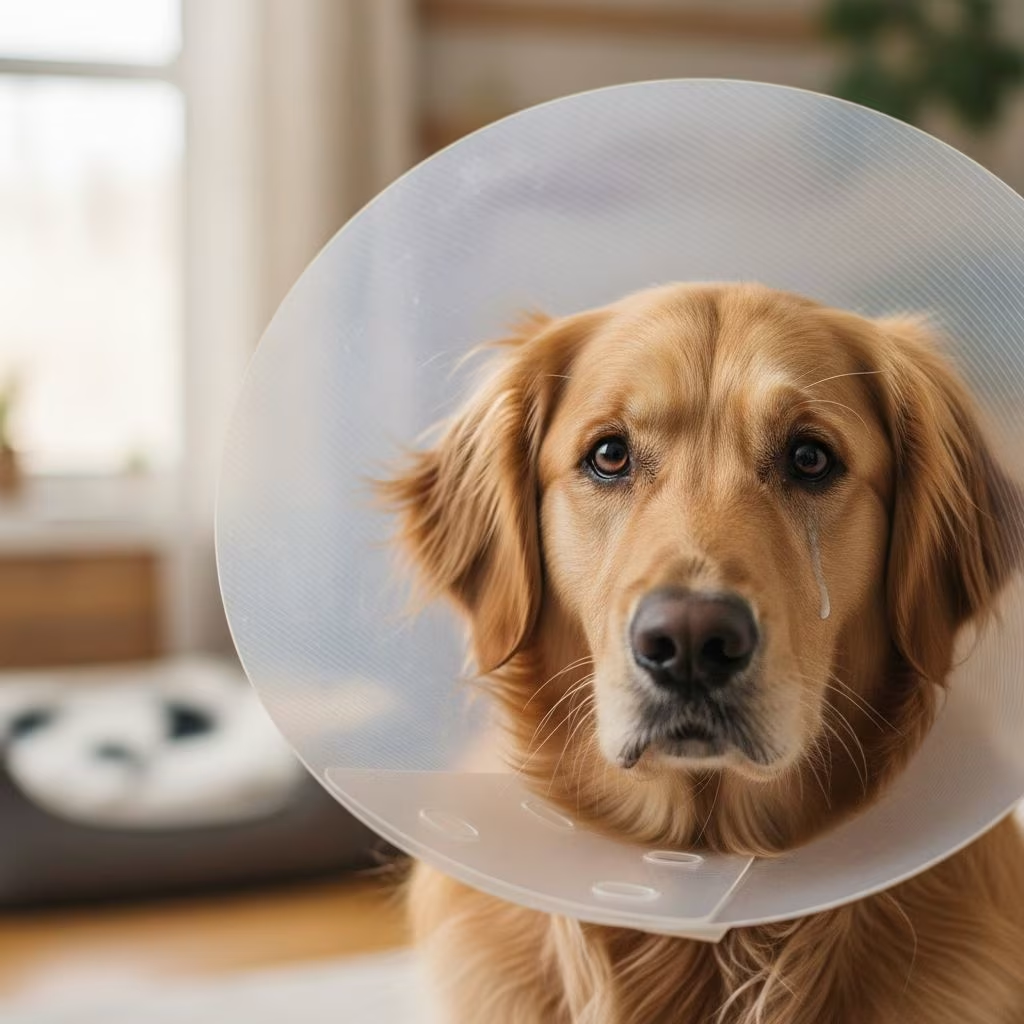
Dog Cones: What You Need To Know
Dog cones, commonly known as Elizabethan collars or E-collars, are essential protective medical devices designed to help pets recover safely from surgery, injuries, or skin conditions. Often humorously referred to as the “cone of shame,” these lampshade-style protective barriers serve a critical purpose in veterinary care by preventing dogs from licking, biting, or scratching at sensitive areas that need to heal. Understanding how dog cones work, the different types available, and how to properly fit and use them can make your pet’s recovery process smoother and more comfortable for both you and your furry companion.
Why Does Your Dog Need a Cone?
The primary function of a dog cone is to create a protective physical barrier between your dog and areas of their body that require healing. When dogs are injured or recover from surgery, their natural instinct is to lick and bite at the affected area. While this behavior may seem comforting to your pet, it can cause serious complications during the healing process.
Without proper cone protection, your dog may tear apart surgical staples or stitches within minutes, potentially creating expensive and life-threatening complications depending on the location of the surgery. Dogs can also disrupt sutures, introduce harmful bacteria to wounds, cause additional trauma to healing tissues, and lick off topical medications or ointments that are essential for recovery. A cone prevents all of these issues by physically restricting your dog’s access to the affected area, allowing wounds to heal properly and reducing the risk of infection.
When Should Your Dog Wear a Cone?
Dog cones are used in various medical and health situations. Understanding when a cone is necessary helps pet owners provide appropriate care during their dog’s recovery period.
Post-Surgical Recovery
The most common use of dog cones is after surgical procedures such as spaying, neutering, or other surgical interventions. After surgery, pets naturally want to lick or bite at their stitches, and a cone is essential to protect the surgical site from being disturbed during the critical healing period.
Wound and Injury Care
For any wounds, cuts, or injuries that require time to heal, a cone prevents your dog from aggravating the injury through licking or biting. This is particularly important for puncture wounds, lacerations, or other traumatic injuries that are susceptible to infection.
Skin Conditions and Allergies
Pets with chronic skin conditions, severe allergies, hot spots, or recurring eye infections can greatly benefit from wearing a cone. These conditions often cause intense itching and discomfort, leading dogs to scratch or bite excessively. A cone prevents self-trauma that can worsen the condition and extend healing time.
Extended Wear During Recovery
Your veterinarian will provide specific guidance on how long your dog should wear a cone. While it may not make your pet happy, you can safely leave your dog in a cone all day and night during the recovery period. The cone will continuously prevent licking, chewing, or scratching at areas that need to heal.
Types of Dog Cones Available
Modern pet healthcare offers several cone options, each with distinct advantages and considerations. Choosing the right type depends on your dog’s size, temperament, the location of the injury or surgery, and your dog’s ability to tolerate different materials.
Traditional Plastic Cones
The traditional plastic E-collar remains the most widely used type of dog cone and is the go-to choice for many veterinarians. Lightweight, flexible clear plastic cones are preferred by veterinary professionals because they are sturdy, durable, and highly effective at keeping dogs from reaching wounds and surgical sites. Many veterinarians consider the plastic cone the most fool-proof way to avoid incision problems during recovery.
Most plastic cones come with fabric-lined edges and Velcro closures for ease of use. They are incredibly easy to clean—simply wipe both sides with a damp cloth. Pet owners can even personalize clear cones by decorating the outside with stickers or decals. However, plastic cones can feel uncomfortable and cumbersome for some dogs, and they may cause stress or anxiety in sensitive pets.
Soft Fabric Cones
Soft cones are made from mesh, cotton, foam, or foam-backed nylon materials and offer a more comfortable alternative to traditional plastic cones. These flexible cones are gentler if your dog runs into walls, furniture, or your legs, reducing the jarring impact. Soft cones typically use Velcro closures, making them easier to adjust, put on, and remove than plastic cones. Many designs include clear plastic or soft inserts that provide better peripheral vision for your dog.
The main drawback of soft fabric cones is that determined dogs may find ways to bend or nudge the flexible material aside to reach their wounds, making them less effective in certain situations. Soft cones work best when properly fitted and when the wound location makes bending the cone ineffective.
Comfy Cones
The Comfy Cone is a specialized soft, cone-shaped e-collar made with foam-backed, padded nylon that is easy to clean, water-resistant, and repellent. The tight gauge of the nylon material is so secure that even cats cannot get their claws into the fabric. Comfy Cones use Velcro for tight closures, enabling quick and easy adjustment. A unique feature is that the Comfy Cone can be reversed inside and out as well as front to back, making it suitable for supporting shoulder and upper back injuries.
Fear Free Recommended KVP Calmer Collar
Similar to the Comfy Cone, the KVP Calmer Collar is a soft, cone-shaped collar designed with pet comfort in mind. This collar features a patented EasyFeed™ opening that allows animals to eat and drink while wearing the collar, addressing one of the main challenges of cone wear. The soft blue inner lining has a calming effect on anxious pets. Multi-color Velcro strips allow for easy and customizable sizing adjustments.
Inflatable Cones (Cloud Collars)
Inflatable cones resemble donut-shaped neck pillows similar to those used on airline flights. You simply slip the protective inflatable collar over your dog’s head and fasten the Velcro shut for a custom fit. Most inflatable collars are covered in fabric, making them a very comfortable option for dogs who struggle with other cone types.
However, since your dog’s head is exposed in an inflatable cone, you must carefully monitor whether they can access the surgical site or injury with their mouth or paws. Inflatable cones work best for upper body injuries but may not prevent determined dogs from reaching lower body wounds. Additionally, some dogs have been known to use their back legs to slip the inflatable collar right off their neck, reducing its protective effectiveness.
How to Properly Fit a Dog Cone
Proper fitting is essential for both your dog’s comfort and the effectiveness of the cone in protecting the wound or surgical site. A poorly fitted cone can cause discomfort, chafing, or allow your dog to access the area that needs protection.
Comfort Considerations
Check that the cone does not chafe or rub against your dog’s neck. Many modern cones have padding or adjustable straps specifically designed to improve comfort. The cone should rest gently against the neck without creating pressure points or irritation.
Secure Fit Guidelines
Make sure the cone is securely fastened but not so tight that it restricts breathing or causes discomfort. A good rule of thumb is to ensure you can slide two fingers between the collar and your dog’s neck. This allows for comfort while maintaining security. Test the fit by gently attempting to move the cone—it should not shift significantly but should have slight flexibility.
Eating and Drinking Ease
Ensure the cone does not interfere excessively with your dog’s ability to eat and drink. You may need to supervise meal times or use specially designed feeders or water bowls that accommodate the cone. Some cone types, like those with EasyFeed™ openings, are specifically designed to address this challenge.
Wound Access Prevention
The most critical fitting consideration is verifying that the cone extends far enough beyond your dog’s muzzle to prevent them from reaching the affected area. The cone should extend to approximately one-third the length of your dog’s nose beyond the tip of their snout to provide adequate protection.
Alternatives to Traditional Dog Cones
While dog cones remain the most effective protective solution, several alternatives exist for pet owners seeking different options or for dogs who cannot tolerate traditional cones.
Surgery Suits
Specialized surgical suits or recovery garments cover the surgical site or affected area, protecting it from licking and scratching without the bulkiness of a cone. These suits work best for torso injuries but may not be suitable for all wound locations.
Protective Wraps and Bandages
For certain types of wounds, protective wraps combined with medical-grade bandaging can provide an alternative protective layer. However, these should be used under veterinary guidance and may require frequent changes.
Neck Collars and Bite Prevention Collars
Some pet owners explore bite prevention collars, though these are less effective than cones for preventing licking and scratching. Larger dogs and families sometimes prefer these collars due to the reduced size compared to traditional cone-style collars.
Making Your Dog Comfortable in a Cone
While dog cones can initially cause stress for your pet, several strategies can help your dog adjust more easily to wearing one. Gradual introduction, positive reinforcement, and patience are key to helping your dog accept their temporary protective device.
Allow your dog time to adjust to the cone by leaving it on for short periods before the full recovery period. Offer treats and praise when your dog wears the cone calmly. Keep your dog’s routine as normal as possible, including gentle play and exercise appropriate for their recovery stage. Provide extra attention and comfort to help your dog understand that the cone is temporary and not a punishment.
Frequently Asked Questions About Dog Cones
How long does my dog need to wear a cone after surgery?
The duration depends on the type of surgery and your veterinarian’s recommendations. Most dogs wear cones for 10-14 days following spaying, neutering, or other routine surgeries. Your veterinarian will provide specific guidance based on your dog’s procedure and healing progress.
Can my dog sleep in a cone?
Yes, dogs can sleep in cones. While it may take time for them to adjust, dogs can wear cones continuously during recovery, including while sleeping. Provide a comfortable bed and ensure the cone does not interfere with their ability to rest peacefully.
Will a cone affect my dog’s mobility or balance?
Most dogs adjust to the cone within a few days and regain normal mobility. Initially, they may move cautiously as they learn to navigate with the cone, but this typically resolves quickly. Monitor your dog during the adjustment period to ensure they do not bump into obstacles.
What should I do if my dog refuses to eat or drink while wearing a cone?
If your dog struggles with eating or drinking, try using elevated food and water bowls, specially designed cone-compatible feeders, or cones with EasyFeed™ openings. Supervise meal times and consult your veterinarian if your dog refuses food for extended periods.
Can I remove the cone when I am supervising my dog?
Your veterinarian will provide specific instructions about when the cone can be safely removed. Many recommend keeping the cone on at all times during the recovery period to prevent accidental self-injury when you cannot watch your dog closely.
Which type of cone is best for my dog?
The best cone depends on your dog’s size, temperament, the location of the injury or surgery, and your dog’s tolerance for different materials. Consult with your veterinarian to determine the most appropriate option for your dog’s specific needs and medical situation.
Conclusion
Dog cones are an indispensable tool in veterinary care and pet healthcare, playing a vital role in protecting wounds and surgical sites during the critical healing period. While the “cone of shame” may temporarily alter your dog’s appearance and comfort, it serves the essential purpose of preventing complications that could extend recovery time or create serious health consequences. With various types of cones available—from traditional plastic E-collars to comfortable soft cones, innovative Comfy Cones, and convenient inflatable collars—pet owners have multiple options to ensure their dog’s comfort and safety during recovery. By understanding the purpose of dog cones, properly fitting them, and helping your dog adjust gradually, you can support your pet’s healing journey with confidence. Always consult with your veterinarian to choose the best cone option for your dog’s specific needs and follow their guidance for proper use, care, and duration of cone wear.
References
- Elizabethan Collars in Dogs — VCA Animal Hospitals. 2025. https://vcahospitals.com/know-your-pet/elizabethan-collars-in-dogs
- Dog Cones: What You Need To Know — Chewy Education. 2025. https://www.chewy.com/education/dog/health-and-wellness/dog-cones
- What Are Dog Cones For? Understanding Types, Fit, and Adjustments — Loved Dog Collar. 2025. https://www.lovedogcollar.co.uk/blogs/news/what-are-dog-cones-for
- Plastic or Soft Dog Cones: Which Collar is Best? — Hill’s Pet Nutrition. 2025. https://www.hillspet.com/dog-care/healthcare/choosing-the-best-dog-cone-collar
- Cone of Shame: What It Is and Cone Alternatives — PetMD. 2025. https://www.petmd.com/dog/general-health/cone-of-shame-what-it-is-and-cone-alternatives
- Guide to Dog Cone Collars: Types and Fitting — PetsCare.com. 2025. https://www.petscare.com/news/post/guide-dog-cone-collars
- Cone of Shame. Lampshade. The Benefits of an E-Collar — Asheville Humane Society. 2020-05-11. https://www.ahna.net/site/blog-asheville-vet/2020/05/11/cone-of-shame-lampshade-the-benefits-of-an-e-collar



