

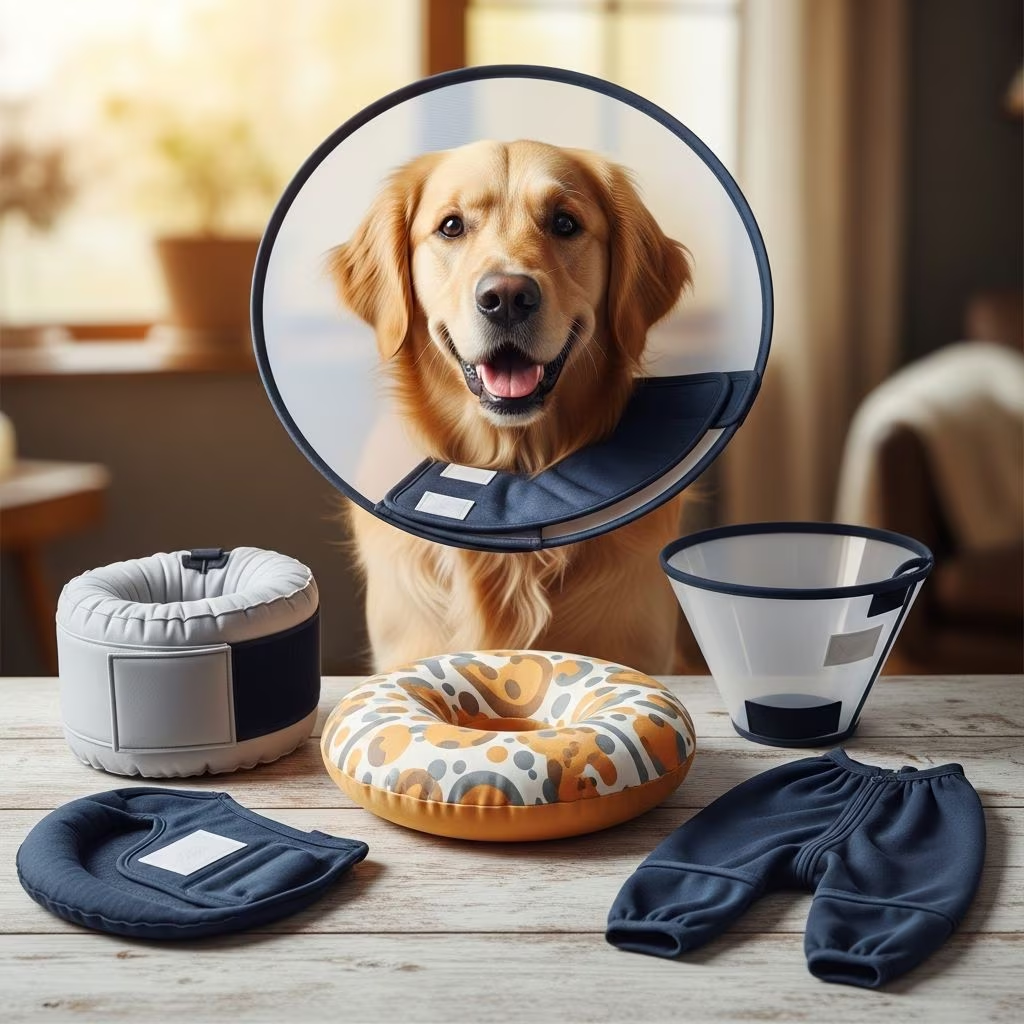
Traditional plastic cones, often called the “cone of shame,” are a staple in veterinary care to prevent dogs from licking or scratching wounds and surgical sites. However, many pets find them distressing due to restricted vision, amplified sounds, and limited mobility. Fortunately, a range of innovative alternatives exists that balance protection with comfort, allowing dogs to eat, drink, and rest more naturally during recovery. These options are particularly useful for post-surgery healing, hot spots, allergies, or bandage protection.
Why Consider Alternatives to the Traditional Cone?
Dogs wearing standard Elizabethan collars (e-collars) often experience anxiety, difficulty navigating spaces, and challenges with basic activities like eating from bowls. Studies and veterinary insights indicate that such restrictions can slow recovery by increasing stress hormones. Alternatives address these issues by offering better peripheral vision, lighter weight, and less invasive designs. Always consult your veterinarian before switching, as the best choice depends on the wound’s location, your dog’s size, breed, and behavior.
Top Collar-Based Alternatives
Collar-style options mimic the cone’s function but prioritize comfort. They fit around the neck to block access to the body without the bulky plastic frame.
Inflatable and Donut Collars
These resemble neck pillows or life preservers, inflating to create a cushioned barrier. They limit head turning toward the body while allowing full forward vision and easy movement. Ideal for torso wounds or hot spots, they deflate for storage and travel well.
- Advantages: Lightweight, machine-washable, and less likely to get caught on furniture.
- Drawbacks: May not suffice for persistent chewers or leg injuries; requires proper sizing to avoid slippage.
Users report dogs adapting quickly, with reduced bumping into walls compared to rigid cones.
Soft and Flexible Fabric E-Collars
Made from foam, cloth, or bendable plastic, these collapse partially for better maneuverability. They provide a sturdy shield that’s gentler on doorways and less intimidating.
- Advantages: Softer edges reduce neck irritation; adjustable straps ensure a custom fit.
- Drawbacks: Can be chewed if not monitored; less effective for high-reaching licks.
Available in sizes from extra-small to extra-large, they’re a step up from plastic for cone-averse dogs.
Flat Disc or Frisbee-Style Collars
These wide, flat barriers extend outward like a disc, offering protection without deep protrusion. They’re gaining traction for their minimal interference with daily life.
- Advantages: Enhanced visibility and durability; suitable for active dogs.
- Drawbacks: Bulkier for small breeds; best for mid-body wounds.
Body Covering Solutions for Full Protection
For comprehensive coverage, clothing-style products encase the body, targeting specific areas without neck obstruction.
Recovery Suits and Onesies
These full-body garments, like dog pajamas, zip or snap over the torso and limbs. They’re excellent for abdominal surgeries, spays/neuters, or widespread rashes.
| Feature | Benefits | Best For |
|---|---|---|
| Material | Breathable fabric, moisture-wicking | All-day wear |
| Fit | Adjustable, breed-specific patterns | Medium to large dogs |
| Durability | Washable, chew-resistant options | Post-op recovery |
Pros include natural movement and reduced anxiety; cons involve potential overheating in warm climates. Veterinary photos often show dogs lounging comfortably in these after initial cone use.
Protective Limb Sleeves
Sleeves wrap legs or paws, preventing licks on extremities without full-body coverage. Customizable with Vet Wrap or commercial versions like lick sleeves.
- Advantages: Targeted relief for dewclaw surgeries or allergies; easy application.
- Drawbacks: Useless for body wounds; dogs may still bite fabric.
These shine for active pups, preserving mobility elsewhere.
Specialized Braces and Restrictive Gear
Neck Braces and Cervical Collars
Compression braces limit neck extension without cones, ideal for head/neck issues or tumor protection. Breathable materials support active lifestyles alongside harnesses.
- Advantages: Reduces self-trauma; comfortable for long-term use.
- Drawbacks: Not for structural support; vet fitting recommended.
Reviews highlight success where wraps failed.
When to Use Muzzles as a Backup
Basket-style muzzles prevent licking specific spots while allowing panting and treats. Situational for mouth-accessible areas.
- Advantages: Promotes training; ventilated designs.
- Drawbacks: Short-term only; monitor for stress.
Factors to Choose the Right Alternative
Selection hinges on multiple variables:
- Injury Location: Neck/head needs braces; legs suit sleeves; torso favors suits.
- Dog’s Temperament: Anxious pets benefit from soft options; escape artists require rigid backups.
- Size and Breed: brachycephalic dogs need wide collars; long-nosed ones fit inflatables best.
- Duration: Short recoveries allow trials; long-term prioritizes comfort.
Test under supervision and combine methods if needed, like suit plus small cone.
Care Tips for Successful Recovery
Maximize any alternative’s effectiveness:
- Monitor for chewing or escape attempts hourly at first.
- Clean gear daily to prevent infections.
- Provide elevated bowls and crate padding.
- Use puzzle toys to distract from wounds.
- Follow vet timelines for removal.
Distress signals like whining warrant adjustments.
Frequently Asked Questions (FAQs)
Are cone alternatives as effective as plastic cones?
Yes, when properly fitted for the injury; vets endorse many for equal protection with better welfare.
Can I make a DIY cone alternative?
Avoid untested hacks like pool noodles; they risk improper fit and injury. Opt for commercial products.
How long should my dog wear a recovery collar?
Typically 7-14 days post-surgery or until wounds close; follow vet advice.
What if my dog hates all options?
Consult for sedation, smaller cones, or monitored free time.
Do these work for cats too?
Similar products exist, but sizing differs; check cat-specific lines.
Final Thoughts on Enhancing Pet Recovery
Transitioning to a cone alternative transforms a dreaded phase into manageable healing. With options spanning collars, suits, and braces, most dogs find relief tailored to their needs. Prioritize vet input for safety, ensuring swift, stress-free recovery and a happier companion.
References
- 4 Dog Cone Alternatives That Actually Work — Glenoakanimalhospital.com. 2023. https://www.glenoakanimalhospital.com/services/blog/4-dog-cone-alternatives-actually-work
- Dog Cone Alternatives: 11 Innovative Solutions — Licksleeve.com. 2024. https://www.licksleeve.com/blogs/news/dog-cone-alternatives
- The top 5 cone of shame alternatives for dogs and cats — Manypets.com. 2024. https://manypets.com/us/blog/pet-cone-alternatives/
- Dog Cones: What You Need to Know (Plus Alternatives) — Chewy.com. 2025. https://www.chewy.com/education/dog/health-and-wellness/dog-cones
- Cone of Shame: What It Is and Cone Alternatives — PetMD.com. 2024-01-15. https://www.petmd.com/dog/general-health/cone-of-shame-what-it-is-and-cone-alternatives
- Balto Neck Eco – Veterinary Dog E-Collar Alternative — Baltousa.com. 2024. https://baltousa.com/products/balto-neck-eco



