

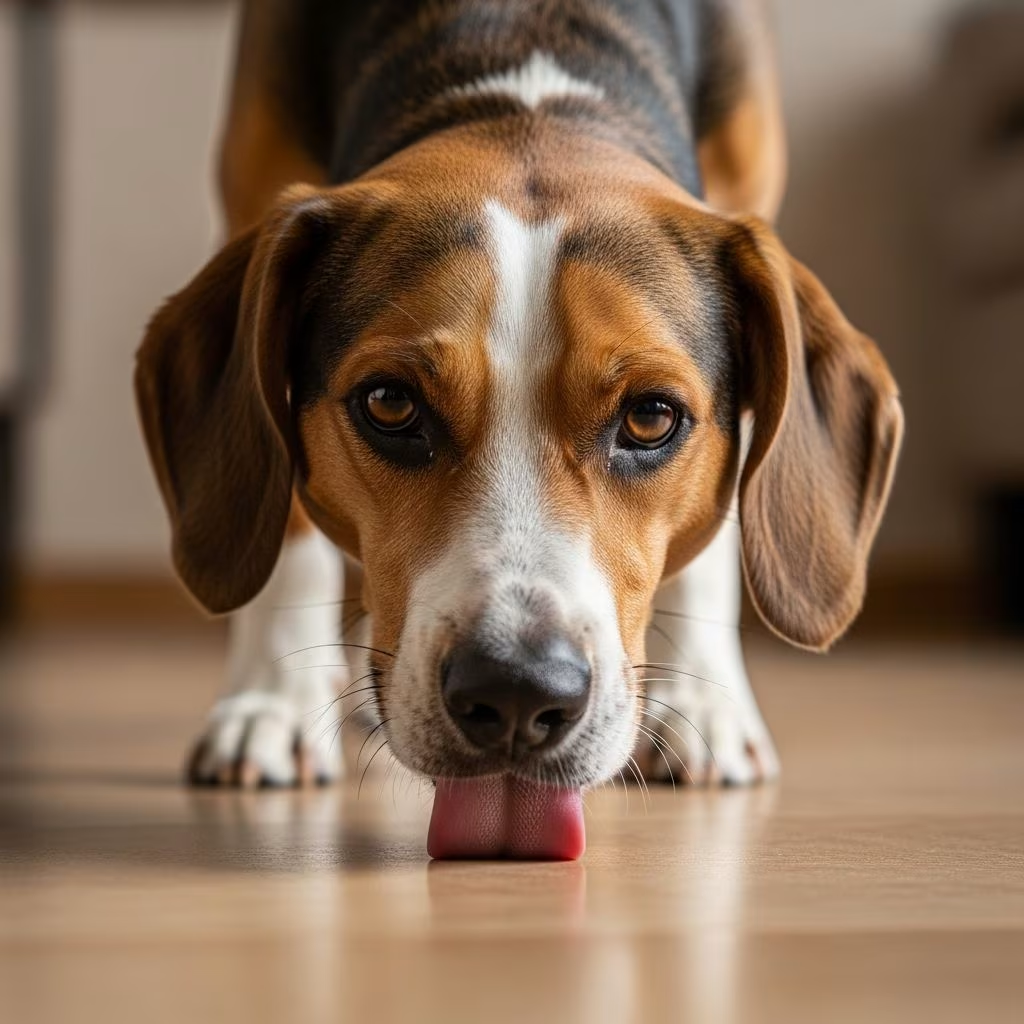
When your dog repeatedly licks the floor, it can signal anything from minor curiosity to serious health concerns. This seemingly harmless habit may mask underlying medical conditions, nutritional deficiencies, or emotional distress that requires professional attention. Pet owners who notice their dogs engaging in persistent floor licking should take this behavior seriously and investigate the root causes to ensure their dog’s long-term wellness.
Decoding Your Dog’s Licking Behavior
Dogs explore their world primarily through their senses, with smell and taste playing crucial roles in how they interact with their environment. Floor licking can represent a normal exploratory behavior, but the frequency and intensity matter significantly. Occasional licking to investigate interesting smells or tastes differs dramatically from compulsive, repetitive licking that occurs multiple times daily regardless of circumstance.
The texture and taste preferences your dog displays can offer valuable insights into their motivations. Some dogs gravitate toward rough, textured surfaces, while others prefer smooth or cool flooring. By observing which surfaces trigger licking behavior and under what conditions it occurs, you can begin identifying patterns that point toward underlying causes.
Understanding the distinction between normal investigative behavior and obsessive licking is essential. Normal licking typically has a purpose—searching for food remnants or exploring an interesting smell—and ceases once the dog loses interest. Obsessive licking, by contrast, continues persistently even when no obvious stimulus triggers it, suggesting a behavioral or medical issue requiring intervention.
Gastrointestinal Distress as a Primary Culprit
Veterinarians consistently identify gastrointestinal issues as one of the most common reasons dogs develop compulsive floor licking habits. When dogs experience stomach discomfort, nausea, or digestive upset, they often resort to repetitive licking as a self-soothing mechanism or attempt to manage their discomfort.
Several specific gastrointestinal conditions can trigger this behavior:
- Acid reflux and gastroesophageal reflux disease (GERD): Dogs with acid reflux experience burning sensations in their throat and stomach, leading them to lick floors as an attempt to soothe irritation.
- Gastric ulcers: Inflammation or ulceration of the stomach lining causes significant discomfort that dogs may try to relieve through repetitive licking.
- Gastrointestinal infections: Bacterial or viral infections affecting the digestive tract commonly produce nausea and stomach upset manifesting in increased floor licking.
- Inflammatory bowel disease (IBD): Chronic inflammation of the digestive tract creates persistent discomfort that can drive obsessive licking behavior.
- Pancreatitis: Inflammation of the pancreas causes severe abdominal pain and digestive dysfunction, often accompanied by behavioral changes like excessive licking.
- Intestinal obstruction: Blockages in the digestive tract create significant discomfort and abnormal behaviors as dogs attempt to cope with their distress.
If your dog displays floor licking alongside other gastrointestinal symptoms, veterinary evaluation becomes urgent. Watch for additional warning signs including irregular appetite patterns, frequent vomiting or diarrhea, morning sickness before eating, drooling, gulping, or obvious restlessness. Dogs with digestive issues sometimes show unpredictable eating habits, eating normally one day and refusing meals the next.
Nutritional Imbalances and Pica
A condition called pica—the compulsive consumption of non-food items—sometimes manifests as excessive floor licking in dogs. This behavior typically indicates your dog is seeking specific nutrients or minerals their current diet lacks. Dogs experiencing nutritional deficiencies may instinctively attempt to supplement their diet by licking unusual surfaces in hopes of obtaining missing nutrients.
Common nutritional deficiencies that trigger floor licking include inadequate mineral intake, particularly iron, zinc, or calcium deficiencies. Rather than assuming your dog knows what nutrients they need, consult your veterinarian about whether a balanced diet truly meets your dog’s requirements. Some commercial dog foods may lack essential nutrients, or your dog’s specific life stage or health condition may require specialized nutrition.
Pica behaviors demand professional attention because they create serious health risks. Dogs licking floors may inadvertently consume dirt, debris, small objects, or toxic substances that cause poisoning or intestinal obstruction requiring emergency veterinary surgery. Addressing the underlying nutritional deficiency through appropriate diet modification can eliminate this dangerous behavior before complications arise.
Stress, Anxiety, and Behavioral Triggers
Beyond medical explanations, emotional and psychological factors frequently drive excessive floor licking in dogs. Dogs experiencing stress or anxiety often develop repetitive behaviors as self-soothing mechanisms, similar to how humans might bite their nails or fidget when nervous. These psychogenic licking behaviors provide temporary emotional relief, creating a cycle where stressed dogs repeatedly engage in the same comforting activity.
Common emotional triggers include:
- Separation anxiety: Dogs distressed by being left alone may lick floors compulsively as a self-calming response.
- Boredom and lack of stimulation: Under-stimulated dogs engage in repetitive behaviors to occupy themselves and provide mental engagement.
- Environmental stressors: Loud noises, unfamiliar visitors, changes in routine, or household disruptions trigger anxiety-driven licking.
- Attention-seeking: Dogs may learn that floor licking elicits attention from owners, reinforcing the behavior even if it started for other reasons.
- Cognitive dysfunction: Older dogs with age-related cognitive decline may develop compulsive behaviors including excessive licking.
Behavioral licking typically intensifies during stressful situations or when the dog anticipates something anxiety-provoking. If your dog only licks the floor when you prepare to leave the house or when specific household members arrive, anxiety likely plays a significant role. These behavioral patterns respond well to environmental enrichment, behavioral modification techniques, and in some cases, professional help from certified animal behaviorists.
Dietary Issues and Food-Related Causes
Sometimes the simplest explanation proves correct: your dog may simply be attracted to food residue on the floor. Dogs possess remarkably sensitive noses capable of detecting minuscule food particles and smells humans cannot perceive, making kitchen floors particularly enticing. If you notice your dog exclusively licks kitchen or dining areas, they may be responding to phantom food aromas and past spill locations.
Additionally, inappropriate food consumption can trigger stomach upset and subsequent floor licking. Dogs that consume spoiled food, table scraps, or ingredients they’ve scavenged develop digestive disturbances manifesting in increased licking behavior. Some dogs have specific food allergies causing gastrointestinal discomfort; common culprits include certain proteins, grains, or commercial additives that trigger inflammatory responses in their digestive systems.
Evaluating your dog’s diet quality and consistency can help eliminate food-related triggers. Ensure your dog eats age-appropriate, high-quality food suited to their specific health needs. Prevent access to table scraps, garbage, and other inappropriate foods that could trigger digestive upset.
Medical Conditions Requiring Professional Evaluation
Beyond gastrointestinal issues, several other medical conditions can manifest as obsessive floor licking. These include:
| Medical Condition | Connection to Floor Licking | Additional Symptoms |
|---|---|---|
| Dental Disease | Mouth pain may trigger licking as pain management attempt | Bad breath, difficulty eating, drooling |
| Parasite Infection | Gastrointestinal parasites create nausea and discomfort | Diarrhea, weight loss, visible worms in stool |
| Liver or Kidney Disease | Organ dysfunction affects metabolism and digestive function | Increased thirst, frequent urination, lethargy |
| Neurological Problems | Brain-based dysfunction creates compulsive behaviors | Disorientation, seizures, behavioral changes |
Allergies represent another significant medical category warranting investigation. Food allergies, environmental allergies, or contact allergies can all trigger skin irritation and gastrointestinal upset, driving excessive licking. When allergies cause itching or digestive distress, dogs naturally resort to licking as an attempt to manage discomfort.
Assembling the Complete Picture: Diagnostic Approach
Determining why your dog licks the floor obsessively requires systematic investigation combining observation, history, and professional expertise. Begin by documenting the behavior pattern: when it occurs, how often, which surfaces are targeted, and what circumstances surround episodes. This information helps veterinarians identify correlations between floor licking and specific triggers.
Critical questions to consider include:
- Does excessive licking coincide with specific times of day or situations?
- Has your dog shown other signs of gastrointestinal distress?
- Does your dog have a history of dietary sensitivity or allergies?
- Has anything in your dog’s environment recently changed?
- When did this behavior start, and what else was happening in your dog’s life?
- Does your dog display anxiety or stress-related behaviors in other contexts?
Your veterinarian will perform a comprehensive physical examination, obtain detailed health history, and potentially conduct diagnostic testing including bloodwork, fecal analysis, or imaging studies. This thorough approach ensures no underlying medical condition goes undetected while ruling out conditions requiring specific treatment.
Treatment Strategies and Management Solutions
Addressing obsessive floor licking requires a tailored approach based on identified causes. Medical conditions demand appropriate treatment—antibiotics for infections, dietary changes for allergies, medications for acid reflux, or surgical intervention for obstructions. Once medical causes are ruled out or addressed, behavioral and environmental modifications become primary interventions.
Environmental enrichment significantly reduces stress-driven licking behavior. Increase physical exercise through longer walks or play sessions, provide puzzle toys and mental stimulation, and establish consistent daily routines that provide structure and predictability. For anxious dogs, creating safe spaces where they feel secure can minimize stress responses triggering compulsive behaviors.
Behavioral modification techniques work best when combined with attention to underlying emotional needs. Avoid reinforcing floor licking by giving attention when it occurs; instead, redirect your dog to appropriate activities and reward alternative behaviors. Professional help from certified animal behaviorists proves valuable for persistent behavioral issues.
Prevention and Long-Term Wellness
Preventing obsessive floor licking begins with providing optimal nutrition, regular veterinary care, environmental enrichment, and stress management. Feed high-quality, nutritionally balanced diets appropriate for your dog’s age and health status. Schedule routine veterinary examinations including parasite prevention and dental care. Maintain a predictable daily schedule, ensure adequate exercise, and minimize environmental stressors whenever possible.
Regular monitoring helps catch behavioral or medical changes early. Any sudden increase in floor licking warrants veterinary evaluation, even if your dog previously exhibited occasional licking. Early intervention prevents behaviors from becoming deeply ingrained compulsions while addressing underlying health issues before they progress.
Frequently Asked Questions
Q: Is occasional floor licking normal in dogs?
A: Yes, occasional floor licking is normal exploratory behavior. Dogs investigate their environment through smell and taste. Concern arises when licking becomes frequent, persistent, or obsessive, particularly if it occurs without obvious triggers like food residue.
Q: Could my dog’s floor licking indicate nausea?
A: Absolutely. Nausea and gastrointestinal discomfort rank among the most common medical causes of excessive licking. If your dog shows other signs like loss of appetite, vomiting, diarrhea, or drooling, gastrointestinal issues should be investigated immediately.
Q: When should I contact my veterinarian about floor licking?
A: Contact your veterinarian if floor licking is new, increasing in frequency, accompanied by other symptoms, or interfering with your dog’s normal activities. Prompt evaluation prevents minor issues from becoming serious problems.
Q: Can medication help with compulsive floor licking?
A: Medication may help manage anxiety-driven or compulsive licking, but it works best when combined with behavioral modification and environmental changes. Medication alone rarely resolves the issue without addressing underlying triggers.
Q: How can I tell if floor licking is medical versus behavioral?
A: Medical causes typically correlate with digestive upset, dietary changes, or specific health conditions. Behavioral licking often intensifies during stressful situations or when seeking attention. Veterinary evaluation can help distinguish between these causes.
Conclusion: Taking Action for Your Dog’s Health
Obsessive floor licking deserves attention and investigation rather than dismissal as a harmless quirk. Whether stemming from gastrointestinal distress, nutritional deficiency, anxiety, or other medical conditions, persistent floor licking indicates your dog is experiencing something requiring intervention. Collaborating with your veterinarian to identify underlying causes combined with appropriate treatment or behavioral modification provides the best path toward resolution. Your attentive observation and willingness to address this behavior demonstrates the commitment to your dog’s physical and emotional well-being that makes you a responsible pet owner.
References
- Dog Licking Floor and Upset Stomach: Causes and Solutions — Under the Weather Pet. 2024. https://www.undertheweatherpet.com/blogs/under-the-weather/dog-licking-floor-and-upset-stomach-causes-and-solutions
- Why is my dog licking the floor? — ManyPets. 2024. https://manypets.com/uk/articles/why-is-my-dog-licking-the-floor/
- Why Won’t My Dog Stop Licking the Floor? — Doylestown Veterinary Hospital. 2024. https://www.doylestownveterinaryhospital.com/blog/why-wont-my-dog-stop-licking-the-floor/
- Why Dogs Lick Carpets: Causes and Solutions — Best Friends Vet. 2024. https://bestfriendsvet.org/blog/dog-licks-carpet/
- Help! My dog licks everything — DVM360. 2024. https://www.dvm360.com/view/help-my-dog-licks-everything
- Excessive Licking, Chewing, and Grooming in Dogs — PetMD. 2024. https://www.petmd.com/dog/general-health/excessive-licking-chewing-and-grooming-dogs



