

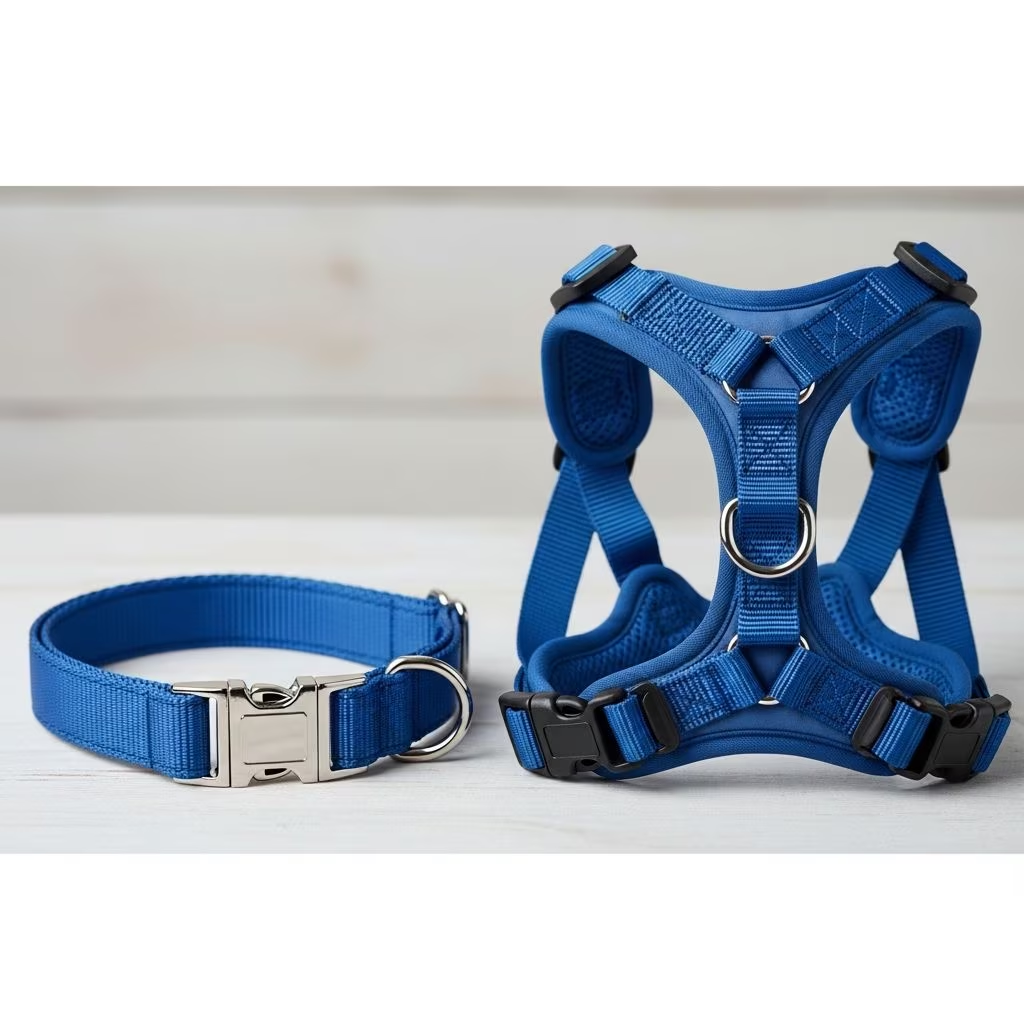
When it comes to walking your dog, the choice between a traditional collar and a harness can significantly impact both your pet’s comfort and your control during outdoor activities. Each option presents distinct advantages and limitations, and understanding these differences is essential for making an informed decision that aligns with your dog’s individual characteristics and your specific walking situation.
Understanding the Fundamental Differences
Collars have been part of dog ownership for centuries, representing a simple, lightweight solution for identification and leash attachment. These devices encircle the neck and typically feature a buckle, clasp, or quick-release mechanism for fastening. In contrast, harnesses encompass a larger portion of the dog’s body, distributing force across the chest, shoulders, and back rather than concentrating it on the neck area.
The structural differences between these two options create varying levels of control, comfort, and safety implications. Understanding how each functions mechanically is the first step toward determining which solution best serves your dog’s needs.
Physical Safety Considerations and Injury Prevention
One of the most significant differentiators between collars and harnesses relates to physical safety during walks. Collars concentrate all pulling force directly on the neck, which can potentially cause strain on delicate structures including the trachea, thyroid, and cervical spine. This becomes particularly concerning for dogs that have a tendency to pull enthusiastically on the leash or for breeds with known predispositions to respiratory issues.
Harnesses, by comparison, redistribute the pressure across a broader surface area of the dog’s body, primarily the chest and shoulders. This design philosophy stems from the same principle used in sled dog teams, where harnesses enable controlled pulling without risking injury. For dogs prone to tracheal collapse—a condition affecting numerous small and medium-sized breeds—harnesses represent a notably safer choice. Breeds such as pugs, chihuahuas, and certain terrier types particularly benefit from this pressure distribution design.
Neck Strain and Respiratory Health
Small dog breeds face heightened vulnerability to neck injuries simply because of their delicate anatomy. What might feel like a minor tug to a human can translate into significant stress on a small dog’s cervical region and airway. Even during normal walks, repeated collar pressure can contribute to long-term complications. Dogs exhibiting coughing, reverse sneezing, or labored breathing may experience improvement when transitioning from collars to properly fitted harnesses.
Control and Managing Pulling Behavior
The ability to maintain control over your dog during walks varies considerably between collars and harnesses, particularly when dealing with dogs that pull or lunge. A front-clip harness—one where the leash attachment sits on the chest rather than the back—provides exceptional steering control. When a dog wearing this style pulls forward, the design naturally redirects their body toward you, encouraging them to turn rather than continue surging ahead. This mechanism makes front-clip harnesses particularly valuable for large breeds, strong pullers, or dogs still in the learning stages of leash manners.
Traditional flat collars offer minimal resistance to pulling, meaning a determined dog can essentially drag you forward despite your best efforts. Martingale collars, which tighten slightly when tension is applied, provide marginal improvement by discouraging neck slipping but do not address forward momentum the way harnesses do. However, the increased control harnesses provide sometimes requires greater physical strength from the handler, particularly with larger dogs.
Training Applications and Behavioral Management
For dogs engaged in formal leash training or those displaying reactive behaviors, harnesses facilitate communication between handler and pet. The improved control enables clearer directional cues and more effective course corrections without relying on neck pressure or discomfort. Professional trainers frequently recommend front-clip harnesses for breeds with strong prey drives or those prone to lunging at distractions.
Breed-Specific Recommendations
Different dog types benefit from different restraint systems based on their physical characteristics, temperament, and health profiles.
Small and Toy Breeds
Miniature dogs require special consideration due to their fragile skeletal structure and airway sensitivity. Harnesses are generally recommended for this group to prevent accidental injury from enthusiastic leash handling. The dispersed pressure design ensures that even if an owner instinctively corrects or pulls, the force doesn’t concentrate destructively on the neck.
Large and Powerful Breeds
Dogs weighing over 60 pounds often develop pulling habits simply due to their strength and size. German Shepherds, Huskies, Pit Bulls, and similar breeds benefit enormously from front-clip harness systems that redirect their considerable pulling power. These harnesses essentially level the playing field between a muscular dog and an average-strength handler.
Escape-Prone Breeds
Certain breeds, particularly Greyhounds and Whippets, have proportionally small heads relative to their necks, making escape from collars disturbingly easy. These breeds require either properly fitted martingale collars that prevent slipping or well-secured harnesses designed specifically to prevent wriggling out.
Brachycephalic and Respiratory-Sensitive Breeds
Flat-faced breeds like Bulldogs, French Bulldogs, and Pugs already struggle with airway restrictions due to their facial structure. Harnesses become almost mandatory for these breeds to prevent compounding their respiratory challenges with neck pressure during walks.
Age and Mobility Considerations
A dog’s life stage significantly influences the optimal choice between collars and harnesses.
Puppies and Young Dogs
Growing puppies benefit from harnesses during the critical period when they’re learning leash manners and developing their walking habits. A harness prevents the formation of pulling patterns while protecting developing neck structures. Once a young dog has matured and demonstrates reliable leash behavior, transitioning to a collar becomes increasingly practical.
Senior and Mobility-Challenged Dogs
Older dogs or those experiencing mobility issues frequently benefit from harnesses that include handles or back attachments. These features allow you to physically assist your senior companion when rising from a sitting position, navigating stairs, or climbing onto furniture. The added support provided by a properly selected harness can extend your dog’s comfortable walking years and maintain their independence.
Practical Comfort and Wearability
Beyond safety and control, the comfort factor during extended wear matters considerably for your dog’s wellbeing and your own convenience.
All-Day Identification Needs
Collars excel at serving as permanent identification platforms. Most dogs wear collars throughout the day and night, with ID tags hanging readily available for emergency information. Harnesses, while safer for walks, are not typically worn for extended periods. The combination approach—maintaining a collar with current identification tags while using a harness for walks and training—represents best practice for most dogs.
Putting On and Taking Off
Collars offer simplicity in application and removal. You fasten a collar, and you’re ready to walk. Harnesses require threading the dog’s legs through various straps, adjusting multiple fasteners, and ensuring proper positioning. For dogs who dislike grooming or equipment manipulation, or for owners with limited dexterity, collars present a more practical daily solution. However, this inconvenience is often worth the tradeoff in safety for dogs that pull significantly.
Fit Adjustments and Sizing
Collars require periodic adjustments as dogs grow or experience weight fluctuations, but these adjustments are typically minimal. Harnesses demand more precise fitting across multiple straps and attachment points. An incorrectly fitted harness can cause chafing, restrict movement, or fail to provide intended control. Weight gains or losses necessitate reassessment of harness fit to prevent discomfort or security issues.
Health Conditions and Special Circumstances
Certain medical situations make one option clearly preferable to the other.
Tracheal Collapse and Respiratory Disease
Dogs diagnosed with or predisposed to tracheal collapse require harnesses rather than collars. Even mild pressure on the trachea can trigger coughing episodes or respiratory distress in affected dogs. A veterinarian treating respiratory conditions will typically recommend transitioning affected dogs to harness systems as part of their management plan.
Back and Spine Issues
Dogs with intervertebral disc disease or other spinal conditions require careful consideration. While harnesses generally distribute pressure more safely, improper fitting or incorrect leash attachment points can sometimes exacerbate back problems. Consultation with your veterinarian regarding the ideal restraint system for a dog with existing spine issues is advisable.
Post-Surgical Recovery
Following surgical procedures, collars may need to be temporarily removed to allow incisions to breathe and prevent contamination. In these situations, properly fitted harnesses positioned away from surgical sites enable continued controlled walking during recovery periods.
Environmental and Situational Factors
The circumstances under which you typically walk your dog influence the ideal equipment choice.
Urban Environments and High-Traffic Areas
Walking dogs in busy city streets or near vehicular traffic demands maximum control. Front-clip harnesses provide superior directional control and emergency stopping capability compared to collars, making them preferable in high-stress urban environments where a moment’s loss of control could prove dangerous.
Rural Settings and Off-Leash Environments
For dogs enjoying primarily off-leash time in secure rural settings, the distinction between collar and harness becomes less critical. A collar with identification suffices when your dog spends most time running freely in safe environments.
Hiking and Uneven Terrain
When navigating rocky trails, stream crossings, or mountainous terrain, harnesses with back handles provide additional safety. You can physically stabilize your dog during tricky passages, making harnesses particularly valuable for adventure-oriented owners.
Cost and Economic Considerations
Financial factors sometimes influence equipment decisions. Quality collars range from $15 to $100 depending on material and customization. Harnesses typically cost $30 to $150, with premium options and specialized designs exceeding this range. Given that many experts recommend maintaining both—a collar for identification and a harness for walking—budgeting for both items is prudent.
Combining Both Systems for Optimal Safety
Many veterinarians and professional trainers recommend the combined approach: maintaining a collar with current identification tags while using a harness during all structured walks and training sessions. Some trainers even recommend securing the leash to both the harness and collar simultaneously for maximum security, though this is generally unnecessary for most dogs.
Making Your Decision
Choosing between a collar and harness ultimately depends on integrating multiple factors specific to your dog:
- Your dog’s size, breed, and physical characteristics
- Pulling behavior and leash manners development stage
- Any existing health conditions or vulnerabilities
- Your physical strength and ability to manage your dog
- Your typical walking environment and frequency
- Your dog’s age and mobility status
A small puppy just beginning leash training benefits from a harness during walks while wearing a collar for identification. An adult dog with reliable leash manners may transition primarily to a collar, using a harness for special circumstances. A senior dog with mobility challenges benefits from a harness with handles. A strong large breed that pulls consistently requires a front-clip harness for safety and your sanity.
Your veterinarian can provide personalized recommendations based on your specific dog’s health profile, breed predispositions, and individual characteristics. Taking time to assess your dog’s needs thoroughly ensures you select equipment that keeps your companion safe, comfortable, and secure during your shared walks and adventures.
References
- Dog Collars vs Harnesses — Orvis News. Accessed March 30, 2026. https://news.orvis.com/dogs/dog-collars-vs-harnesses
- Harness vs. Dog Collar: Which is Best for Your Dog? — 2 Hounds Design. Accessed March 30, 2026. https://2houndsdesign.com/blogs/blog/harness-vs-dog-collar-which-is-best-for-your-dog
- Dog Harnesses and Dog Collars: Which Is Right For Your Dog? — American Kennel Club. Accessed March 30, 2026. https://www.akc.org/expert-advice/training/dog-harness-vs-collar/
- Dog Collar Vs Harness: The Right Choice for Your Canine Companion — K9 Connoisseur. Accessed March 30, 2026. https://k9connoisseur.com/blogs/news/dog-collar-vs-harness
- What’s better between dog collar or dog harness — Neewa USA. Accessed March 30, 2026. https://www.neewadogs.com/blogs/blog/whats-better-between-dog-collar-or-dog-harness
- Dog Collars vs Harnesses | Find the Perfect Fit for Your Pup — The Lillebjorn. Accessed March 30, 2026. https://thelillebjorn.com/blogs/dog-style-and-health-diaries/are-dog-collars-better-than-harnesses-comparing-leather-dog-collars-and-harnesses-for-safety-and-comfort



