

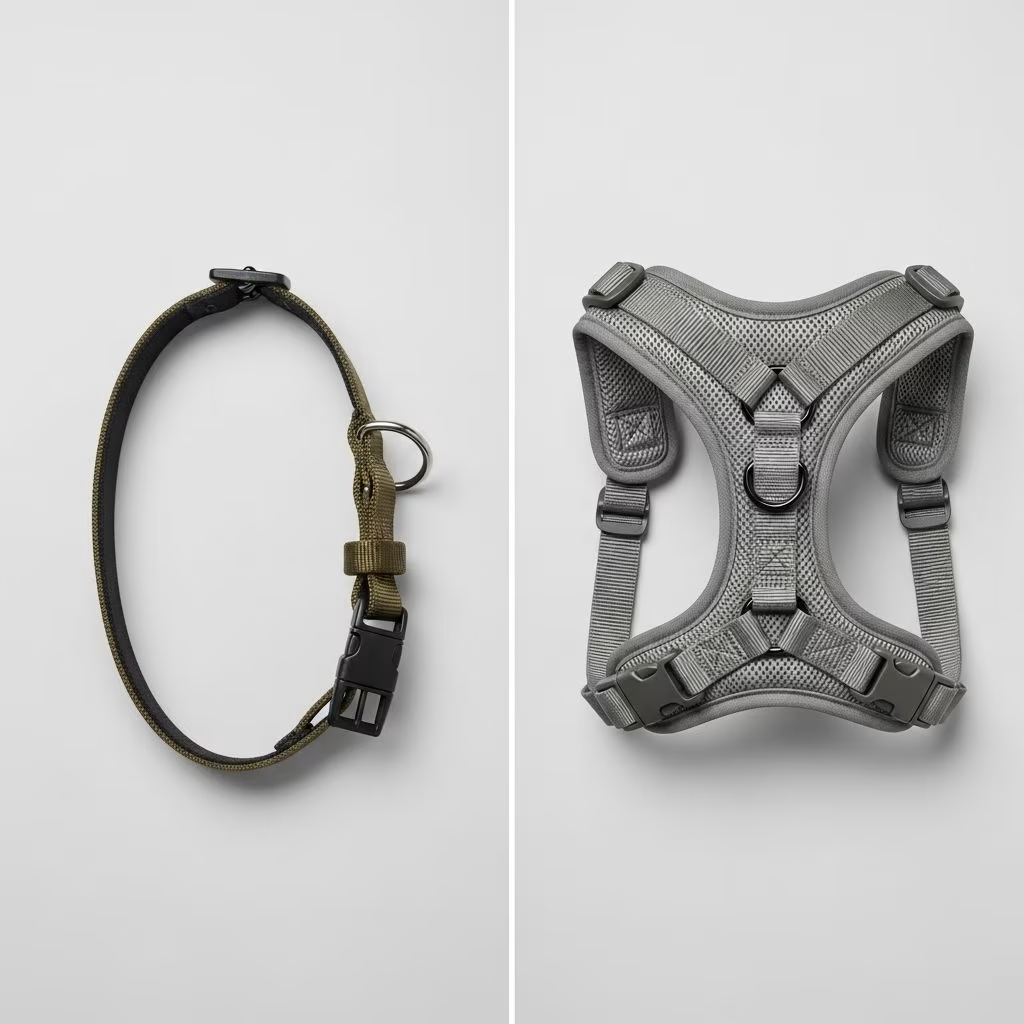
Selecting the right walking equipment for your dog involves balancing comfort, safety, and control. Collars offer simplicity for calm walkers, while harnesses provide superior support for pullers and those with health concerns. This guide examines key differences, benefits, and practical advice to help you decide.
Understanding Basic Designs and Functions
Dog collars encircle the neck with a buckle or quick-release clasp, attaching leashes via a D-ring. They excel in convenience for ID tags and everyday wear. Harnesses, by contrast, wrap around the torso, chest, and shoulders, distributing force across a broader area for reduced neck strain.
Both types come adjustable for custom fits, available in materials like nylon, leather, or padded neoprene. Collars suit short, low-energy outings; harnesses shine during active sessions or with strong dogs.
Advantages and Drawbacks of Collars
Collars prioritize ease. Lightweight designs allow 24/7 wear without bulk, ideal for attaching rabies tags or licenses as required by law in many areas.
- Quick application: Slip over the head or buckle in seconds.
- Minimal interference: No straps rubbing fur or limiting shoulder movement.
- Cost-effective: Basic models start low, with durable options like leather for longevity.
However, collars risk injury if dogs pull hard. Pressure concentrates on the throat, potentially causing tracheal damage, eye issues, or collapsed airways, especially in brachycephalic breeds like Pugs.
| Collar Pros | Collar Cons |
|---|---|
| Easy on/off | Neck strain risk |
| ID tag ready | Escape possible for slim-headed breeds |
| Lightweight | Limited control for pullers |
Advantages and Drawbacks of Harnesses
Harnesses redistribute leash tension to the chest and back, minimizing neck vulnerability. Front-clip styles discourage pulling by turning dogs toward you, enhancing training efficacy.
- Safety first: Prevents throat injuries, vital for small dogs or those with respiratory conditions.
- Enhanced steering: Better for reactive or high-energy dogs in crowded spaces.
- Escape-proof: Secures around the body, harder to slip for sighthounds like Greyhounds.
Challenges include fitting complexity and storage bulk. Poor adjustments can chafe or restrict breathing; regular checks are essential as weight fluctuates.
| Harness Pros | Harness Cons |
|---|---|
| Pressure distribution | Fiddly to fit |
| Better pull control | More expensive |
| Supports weak dogs | Can trap heat |
When to Choose a Collar Over a Harness
Opt for collars with polite heelers in quiet neighborhoods. They suffice for brief potty breaks or supervised play without overcomplicating routines. Breeds with sturdy necks, like Labs, tolerate them well during low-pull walks.
Combine with positive reinforcement training to maintain loose leashes, avoiding choke risks. Martingale collars add security for escape artists without tightening excessively.
Ideal Scenarios for Harnesses
Harnesses excel for pullers, puppies learning manners, or seniors with arthritis. They support mobility in breeds prone to back strain, like Dachshunds, and aid handlers managing large breeds.
Front-attachment harnesses redirect momentum, teaching self-correction. Back-clip versions work for joggers, keeping leashes clear of legs. No-pull designs with dual clips pair with traffic handles for urban safety.
Breed-Specific Recommendations
Different physiques demand tailored gear. Small dogs like Chihuahuas benefit from harnesses to avoid accidental jerks. Large pullers, such as Huskies, gain from chest-led control.
- Brachycephalic breeds (Pugs, Bulldogs): Harnesses prevent breathing obstruction.
- Sighthounds (Greyhounds, Salukis): Wide collars or padded harnesses accommodate narrow heads.
- Working breeds (Labs, Shepherds): Durable harnesses for training and hikes.
- Toy breeds: Soft harnesses reduce fragility risks.
Mastering the Perfect Fit
Ill-fitting gear causes rubs or escapes. For collars, insert two fingers between neck and strap; snug but not tight. Harnesses require chest girth measurements—snug across shoulders without gaping or pinching armpits.
Test by tugging gently; no shifting or choke. Adjust seasonally for fur growth or weight changes. Step-in styles ease dressing for wiggly dogs; overheads suit calm ones.
Training Tips for Effective Walks
Equipment aids but doesn’t replace training. Use harnesses with front clips to reward slack leashes, building habits. Collars pair with head halters for precision cues.
Start indoors: Reward attention, gradually add distractions. Short sessions prevent fatigue. Consistency across gear types reinforces manners universally.
Combining Collars and Harnesses Strategically
Many owners layer: Collar for constant ID, harness for outings. Quick-swap systems with matching leashes streamline transitions. This hybrid maximizes safety without constant adjustments.
For travel, flat collars hold microchips visible; harnesses secure car seats or crates.
Caring for Your Dog’s Gear
Prolong life by spot-cleaning nylon with mild soap; leather conditions monthly. Inspect for frays, loose stitching, or rust. Replace annually or post-heavy use.
Air-dry after washes to preserve padding. Store flat to avoid warping buckles.
Frequently Asked Questions
Can puppies wear collars?
Yes, soft flat collars for ID, transitioning to harnesses at 8-12 weeks for walks to protect developing tracheas.
Do harnesses encourage pulling?
No—proper front-clip models discourage it by design. Behavior stems from training, not gear, per veterinary studies.
Are leather options better?
Leather resists chewers and molds comfortably but needs maintenance. Nylon suits budgets and easy cleaning.
What if my dog hates harnesses?
Introduce gradually with treats, using high-value rewards during fitting. Pair with fun games to build positive associations.
Is a back-clip harness safe for pullers?
Less ideal than front-clip; it can increase forward drive. Use for non-pullers or double-clip with training.
Final Thoughts on Optimal Selection
Assess your dog’s size, behavior, health, and your walks’ demands. Harnesses often edge out for safety, especially reactive or fragile pups, while collars streamline calm lifestyles. Consult vets for breed vulnerabilities, prioritizing welfare over tradition.
References
- Dog Harness vs Collar — American Kennel Club. 2023-05-15. https://www.akc.org/expert-advice/training/dog-harness-vs-collar/
- Harness vs. Dog Collar: Which is Best for Your Dog? — 2 Hounds Design. 2024-02-10. https://2houndsdesign.com/blogs/blog/harness-vs-dog-collar-which-is-best-for-your-dog
- Dog Collar Vs Harness: The Right Choice — K9 Connoisseur. 2023-11-20. https://k9connoisseur.com/blogs/news/dog-collar-vs-harness
- Dog Collar Vs Dog Harness: which is best? — Pooch & Mutt. 2024-01-08. https://www.poochandmutt.co.uk/blogs/lifestyle/dog-collar-vs-dog-harness-which-is-best
- The Truth About Flat Collars Vs Harnesses — Veterinarian Dr. Em (YouTube). 2023-07-12. https://www.youtube.com/watch?v=SDYZVMV31ZE



