

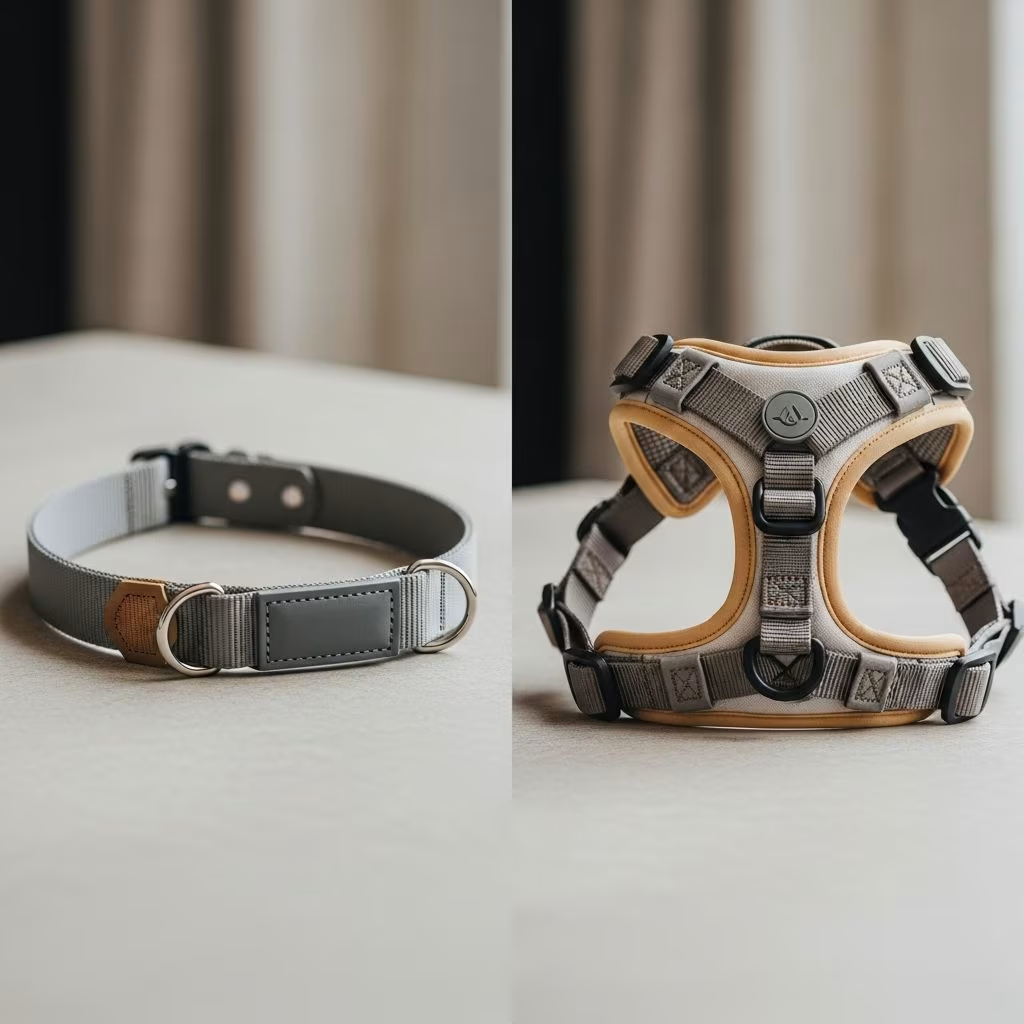
Selecting the right walking equipment for your dog involves weighing safety, comfort, and control. Collars provide simplicity for identification and calm walkers, while harnesses excel in distributing pressure to prevent injuries during pulls or lunges.
Understanding Dog Collars: Simplicity and Everyday Use
Dog collars serve as foundational gear for most pets, offering a straightforward way to attach leashes, tags, and licenses. They come in various materials like nylon, leather, or metal, with designs ranging from basic buckles to adjustable martingales that tighten gently to deter slipping out.
Collars shine in low-stress scenarios. For dogs that heel reliably without pulling, a well-fitted collar avoids unnecessary bulk and allows quick on-off access. They remain lightweight, making them ideal for all-day wear around the home or yard. Identification tags dangling from a collar ensure quick reunions if your dog escapes, a critical safety feature.
- Key Benefits: Easy to fit, affordable, perfect for ID and short leads.
- Common Types: Flat buckle for daily use, martingale for escape artists, limited-slip for training.
However, collars concentrate force on the neck during sudden jerks, potentially harming the trachea or spine in reactive dogs. Breeds with slender necks, like sighthounds, face heightened risks, prompting experts to recommend alternatives for walks.
Exploring Harnesses: Enhanced Safety and Control
Harnesses encircle the torso, redirecting leash tension across the chest and shoulders rather than the throat. This design minimizes injury risks, making them preferable for pullers, puppies in training, or dogs with health concerns.
Modern harnesses feature front-clip attachments to discourage pulling by turning the dog toward you, back-clips for relaxed hikes, or handles for assistance with seniors or reactive pets. Padded versions add comfort on long outings, while reflective strips boost nighttime visibility.
- Primary Advantages: Pressure distribution reduces neck strain, superior handling for strong dogs.
- Styles Available: Step-in for ease, overhead for security, no-pull for behavior correction.
Fitting requires attention: straps should allow two fingers between fabric and body, preventing chafing or escapes. Improper sizing can rub fur or restrict breathing, underscoring the need for precise measurements.
Comparing Safety Profiles: Injury Prevention Focus
Safety defines the collar-versus-harness debate. Collars risk tracheal damage, eye injuries from pressure, or exacerbated collapse in brachycephalic breeds like Pugs. Harnesses mitigate these by spreading load, with studies showing reduced stress markers in pulling dogs.
| Aspect | Collar | Harness |
|---|---|---|
| Neck Pressure | High during pulls | Low, distributed evenly |
| Injury Risk (Pullers) | Trachea, spine strain | Minimal neck issues |
| Escape Potential | High for slim heads | Lower with secure fit |
| Control for Lunging | Limited | Excellent redirection |
Veterinarians and trainers favor harnesses for most active dogs, citing lower long-term health impacts. Yet collars suit non-pullers, avoiding harness-related shoulder fatigue in some cases.
Factors Influencing Your Choice: Tailored Recommendations
Dog Size and Breed Considerations
Small breeds benefit from harnesses to avoid accidental hard pulls that could injure delicate frames. Large or muscular dogs gain from harness control, enabling handlers to manage power without exhaustion. Sighthounds need martingale collars or wide harnesses to accommodate narrow necks.
Behavior and Training Needs
Calm heelers thrive with collars, fostering natural loose-leash habits. Strong pullers or those in distraction-heavy areas require harnesses for safe management and training reinforcement. Front-clip models naturally curb forward momentum.
Activity Level and Environment
Urban walks with traffic demand harness security; rural trails allow collar flexibility. Seniors or injured dogs appreciate harness lifts, while agile youngsters handle collars during play.
Hybrid approaches work best: collar for tags, harness over it for outings.
Mastering the Perfect Fit: Sizing and Adjustment Tips
Ill-fitting gear causes rubs, escapes, or discomfort. Measure your dog’s neck and girth at the widest points, consulting size charts.
- Try on in a calm state; ensure snug but breathable contact.
- Check for free leg/shoulder movement; no bunching.
- Test with gentle tugs; watch for reactions.
- Adjust seasonally for weight fluctuations.
Leather options resist chewing; quick-release buckles aid emergencies. Inspect regularly for wear, replacing frayed items promptly.
Training Integration: Building Better Walks
Gear supports but doesn’t replace training. Pair harnesses with positive reinforcement to teach loose leashes, reducing reliance on equipment corrections. Collars aid heeling cues for polite walkers.
Gradual transitions prevent confusion: alternate gear during sessions, rewarding compliance. Consistency yields stress-free outings for all.
Caring for Your Dog’s Gear: Maintenance Essentials
Prolong equipment life by hand-washing with mild soap, air-drying away from sun. Store flat to avoid warping buckles. Rotate items to distribute wear, inspecting for chew damage weekly.
Common Myths Debunked
- Myth: Harnesses encourage pulling. Behavior stems from training, not gear; they actually enable safer correction.
- Myth: Collars are always simpler. Harnesses match ease with practice; step-in designs rival collars.
- Myth: All dogs need one or the other exclusively. Many use both strategically.
Frequently Asked Questions
Can I use a collar and harness together?
Yes, wear a collar for ID over a harness for walks, ensuring no tangling.
Are harnesses suitable for all breeds?
Most, but consult vets for those with spinal issues; padded models help.
How do I stop my dog from pulling regardless of gear?
Train with rewards, stops, and turns; gear aids but consistency trains.
What’s better for puppies?
Harnesses prevent growth-related neck strain during energetic phases.
Do leather collars or harnesses last longer?
Yes, they resist stretching and chewing better than nylon.
Final Thoughts on Optimal Gear Selection
Match gear to your dog’s profile: harnesses for safety in dynamic scenarios, collars for routine simplicity. Prioritize fit, observe responses, and train diligently for joyful companionship. Regular vet check-ins refine choices as needs evolve.
References
- Harness vs. Dog Collar: Which is Best for Your Dog? — 2 Hounds Design. 2023. https://2houndsdesign.com/blogs/blog/harness-vs-dog-collar-which-is-best-for-your-dog
- Are Harnesses Better than Collars for Dogs? — Up Dog Shop. 2023. https://updogshop.com/blogs/news/dog-harness-vs-collar
- Dog Collar Vs Harness: The Right Choice for Your Canine Companion — K9 Connoisseur. 2023. https://k9connoisseur.com/blogs/news/dog-collar-vs-harness
- What’s better between dog collar or dog harness — Neewa USA. 2023. https://www.neewadogs.com/blogs/blog/whats-better-between-dog-collar-or-dog-harness
- Dog Collars vs Harnesses | Find the Perfect Fit for Your Pup — The Lillebjorn. 2023. https://thelillebjorn.com/blogs/dog-style-and-health-diaries/are-dog-collars-better-than-harnesses-comparing-leather-dog-collars-and-harnesses-for-safety-and-comfort
- Dog Harnesses and Dog Collars: Which Is Right For Your Dog? — American Kennel Club (AKC). 2023-10-01. https://www.akc.org/expert-advice/training/dog-harness-vs-collar/
- The Truth About Flat Collars Vs Harnesses | A Veterinarian Explains — YouTube (Dr. Em). 2023. https://www.youtube.com/watch?v=SDYZVMV31ZE
- Collar vs Harness: My View as a Professional Dog Trainer — Dog Relations NYC. 2021-10-04. https://dogrelationsnewyorkcity.com/blog/2021/10/04/collar-vs-harness-my-view-as-a-professional-dog-trainer/



