

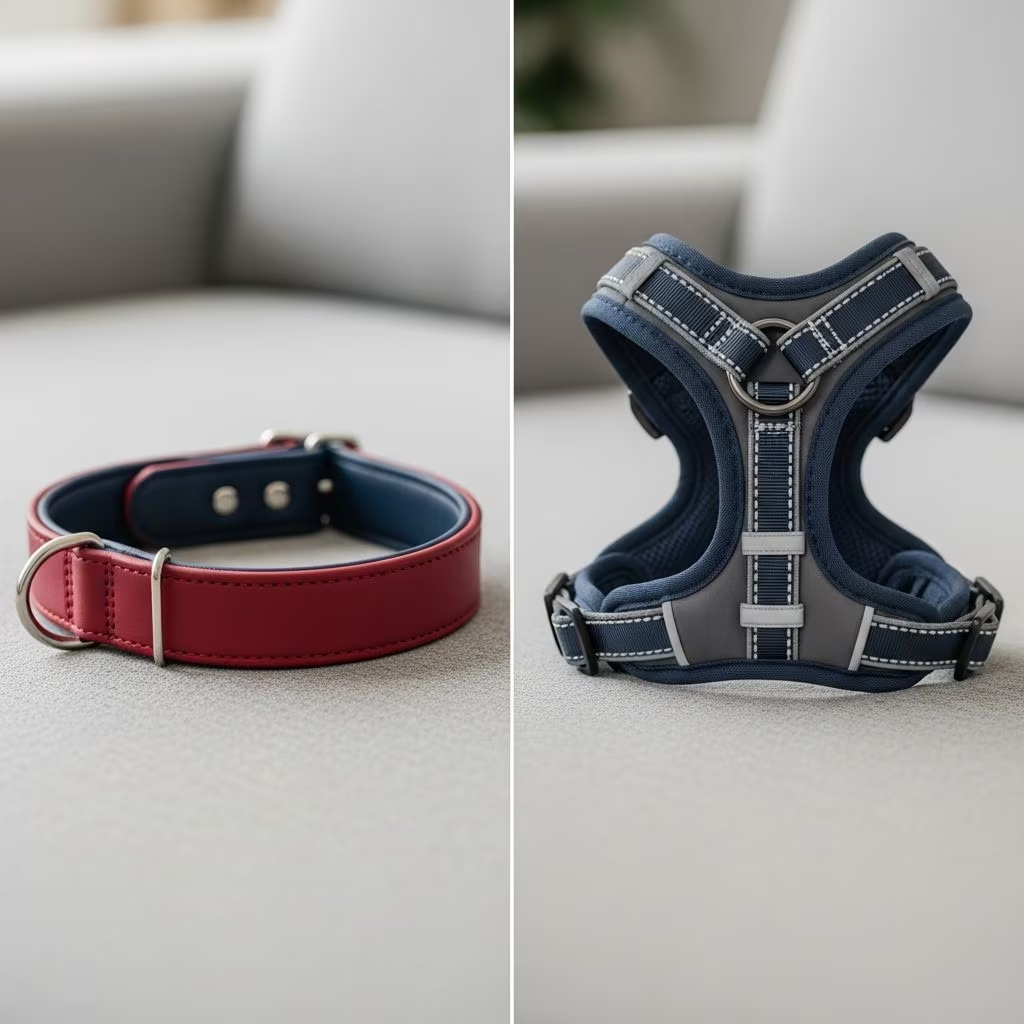
Selecting the right walking equipment for your dog involves balancing comfort, safety, and control. Collars offer simplicity and identification, while harnesses provide superior support for active or strong pullers. The ideal choice depends on your dog’s size, behavior, health, and your walking environment.
Understanding Dog Walking Essentials
Every dog needs reliable gear for outings. Collars have long been standard, holding ID tags for quick identification if your pet slips away. Harnesses, gaining popularity, wrap around the torso to distribute pressure away from the neck. Both have roles, but matching them to your dog’s profile prevents injury and enhances enjoyment.
Key considerations include your dog’s pulling habits, physical condition, and breed traits. Calm walkers may thrive with collars, but energetic or reactive dogs benefit from harnesses’ stability.
Advantages and Drawbacks of Collars
Collars excel in convenience. They’re easy to slip on, lightweight for all-day wear, and perfect for attaching tags with your contact info. For well-mannered dogs on loose leashes, a standard flat collar suffices without restricting movement.
- Pros: Simple design, affordable, holds ID securely, suitable for short walks in safe areas.
- Cons: Pressure on the neck during pulls can cause tracheal damage, eye issues, or thyroid problems; easy for slim-headed breeds to escape.
Specialized collars like martingales tighten gently to deter slipping out, ideal for sighthounds such as Greyhounds. However, forceful tugs risk injury, especially in puppies or small breeds.
Why Harnesses Are Often Superior
Harnesses secure around the chest and shoulders, redirecting leash force across a broader area. This design minimizes neck strain, making them safer for pullers, brachycephalic breeds (like Pugs), and dogs with respiratory vulnerabilities.
Front-clip models discourage pulling by turning the dog toward you, aiding training. Back-clip versions suit calm dogs, while handle-equipped ones help with seniors or car assistance. Studies show no increase in pulling with harnesses versus collars, debunking myths.
- Pros: Reduces injury risk, better control for strong dogs, supportive for mobility-challenged pets.
- Cons: Trickier to fit properly, may rub if ill-adjusted, less ideal for constant wear due to bulk.
Comparing Control and Safety Features
| Feature | Collar | Harness |
|---|---|---|
| Pressure Distribution | Neck-focused | Chest/shoulder spread |
| Pulling Control | Limited; risks injury | High; redirects motion |
| Escape Risk | High for narrow heads | Low if fitted well |
| Training Aid | Martingale option | Front-clip effective |
| Daily ID Use | Excellent | Supplemental |
This table highlights harnesses’ edge in safety-critical scenarios, though collars win for everyday practicality.
Tailoring Gear to Your Dog’s Profile
For Puppies and Young Dogs
Puppies grow rapidly, so adjustable harnesses prevent frequent replacements. They protect developing tracheas during exuberant pulls, unlike collars that might choke during play.
Small and Toy Breeds
Fragile necks make collars risky; even minor yanks can injure. Harnesses offer gentle control, preventing accidental harm from overzealous owners.
Large and Strong Breeds
Breeds like Huskies or Pit Bulls overpower collars easily. Harnesses give handlers leverage, distributing a 100+ lb dog’s force without shoulder strain.
Senior or Injured Dogs
Mobility aids like harness handles assist lifting or steering. They alleviate back pain and provide stability on slippery surfaces.
Breeds Prone to Neck Issues
Greyhounds, Whippets, and short-nosed dogs fare better with harnesses or martingale collars to avoid collapse or breathing distress.
Fitting Guide for Optimal Performance
Ill-fitting gear causes chafing, escapes, or discomfort. For collars, ensure two fingers fit under it snugly. Harnesses need space for two fingers between straps and body, with no gaping at chest or armholes.
- Measure neck/girth with a soft tape.
- Adjust while observing your dog’s movement.
- Test by tugging gently; no shifting or pinching.
- Check weekly, especially for growing pups.
Materials matter: Nylon for durability, leather for breathability, padded for sensitive skin.
Training Tips: Integrating Gear Effectively
Use front-clip harnesses to teach loose-leash walking. Reward calm behavior to associate gear with positives. Combine with collar for dual attachment in high-risk areas, boosting security.
Transition gradually: Start indoors, progress to short walks. Positive reinforcement trumps force, regardless of equipment.
Hybrid Approach: Using Both Together
Many experts advocate collars for ID (always worn) and harnesses for walks. This covers bases: quick recovery if lost, plus walk-time safety. Dual-leash clips add redundancy.
Common Myths Debunked
- Myth: Harnesses encourage pulling. Evidence shows behavior stems from training, not gear.
- Myth: Collars are always simpler. For control needs, harnesses simplify management.
- Myth: All dogs need harnesses. Calm, loose-leash dogs do fine with collars.
Frequently Asked Questions
Can I use a harness all day?
No, they’re not for constant wear. Reserve for outings; use a collar for ID at home.
What’s best for a reactive dog?
Front-clip harnesses provide control without neck pressure, ideal for lunging.
Do leather options outperform nylon?
Leather breathes better, resists chewers, but nylon is lighter and cheaper.
How do I stop harness rubbing?
Ensure proper fit, add padding, and monitor during first uses.
Are harnesses good for car rides?
Yes, many clip to seatbelts; collars work too but offer less restraint.
Final Thoughts on Making the Right Choice
Evaluate your dog’s needs holistically. Harnesses shine for safety in dynamic situations, collars for routine. Prioritize fit, observe behavior, and consult vets for health concerns. Proper gear fosters joyful, injury-free adventures.
References
- Dog Collars vs Harnesses — Orvis News. 2023-05-15. https://news.orvis.com/dogs/dog-collars-vs-harnesses
- Harness vs. Dog Collar: Which is Best for Your Dog? — 2 Hounds Design. 2024-02-10. https://2houndsdesign.com/blogs/blog/harness-vs-dog-collar-which-is-best-for-your-dog
- Dog Collar Vs Harness — K9 Connoisseur. 2023-11-20. https://k9connoisseur.com/blogs/news/dog-collar-vs-harness
- What’s better between dog collar or dog harness — Neewa USA. 2024-01-05. https://www.neewadogs.com/blogs/blog/whats-better-between-dog-collar-or-dog-harness
- Dog Collars vs Harnesses | Find the Perfect Fit — The Lillebjorn. 2023-08-12. https://thelillebjorn.com/blogs/dog-style-and-health-diaries/are-dog-collars-better-than-harnesses-comparing-leather-dog-collars-and-harnesses-for-safety-and-comfort
- Dog Harness vs Collar — American Kennel Club (AKC). 2024-03-01. https://www.akc.org/expert-advice/training/dog-harness-vs-collar/



