

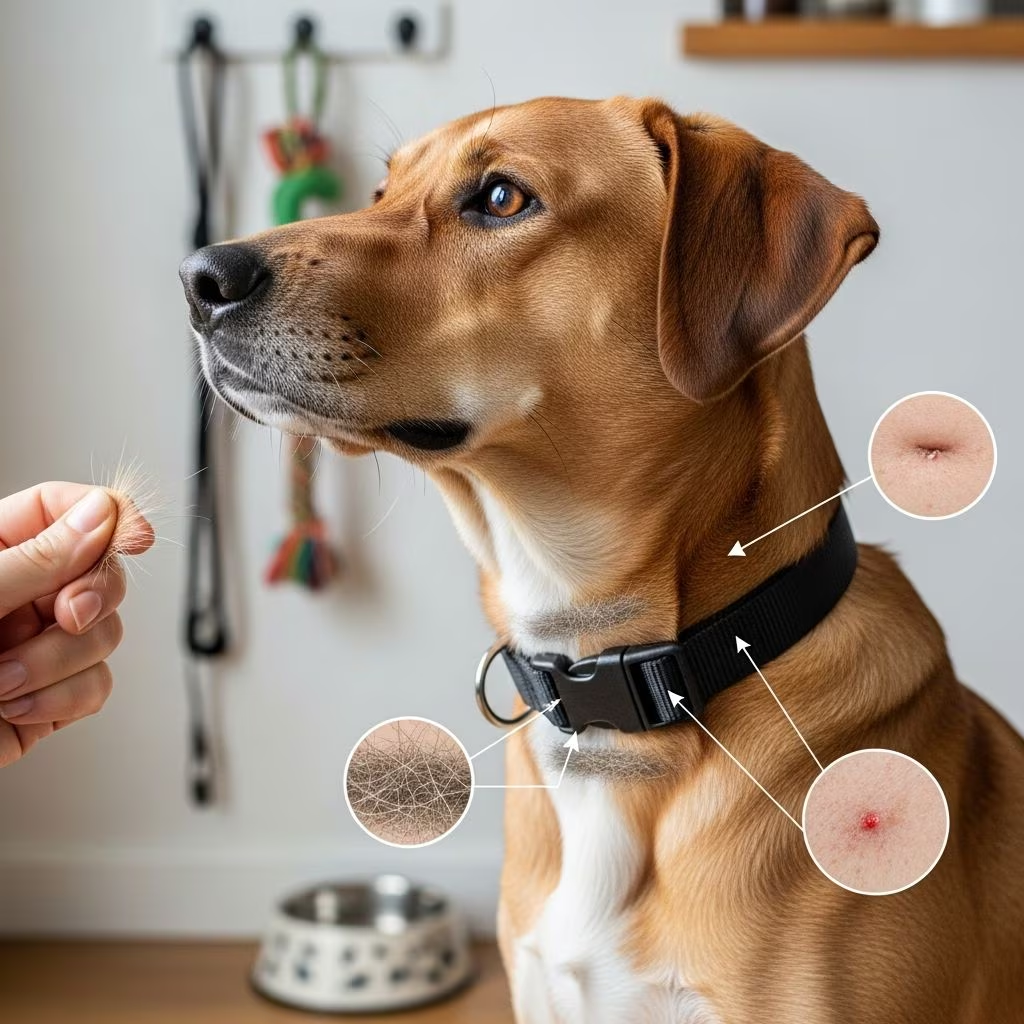
Every dog owner wants their pet to stay safe, but common collars can pose unexpected threats to health and happiness. From physical injuries to behavioral setbacks, understanding these risks empowers better choices for walking, training, and daily life.
Understanding the Anatomy of Dog Necks
Dogs have delicate neck structures with the trachea, esophagus, thyroid gland, and major blood vessels close to the surface. Sudden pulls or tight pressure can compress these areas, leading to immediate pain or long-term damage. Veterinary experts note that the neck’s flexibility makes it vulnerable during leashed walks, especially for pullers or lungers.
When force is applied via a collar, it concentrates around the throat, potentially restricting airflow or damaging nerves. This vulnerability explains why even standard buckle collars can harm active dogs, prompting recommendations for alternatives that distribute pressure across the body.
Harmful Collar Types to Avoid
Certain collars prioritize control over comfort, inflicting pain that undermines trust and welfare. Here’s a breakdown of the most problematic designs:
- Choke Collars: These tighten around the neck with pulling, risking tracheal collapse, whiplash, or esophageal bruising. Severe cases include larynx fractures, vertebral dislocations, and asphyxiation.
- Prong Collars: Metal links pinch the skin, causing punctures, bruises, or embedded injuries. Dogs may react with fear-induced aggression, misdirecting pain toward handlers or others.
- Shock Collars: Electrical pulses confuse and frighten dogs, associating pain with surroundings rather than behaviors. Malfunctions lead to burns or nonstop shocks, eroding the human-animal bond.
These tools may suppress symptoms temporarily but ignore root causes like fear or lack of training, often worsening anxiety or reactivity.
Physical Injuries from Collar Use
Collars exert undue stress on necks, leading to a range of injuries. Jerks during walks strain the spine, fostering arthritis or chronic pain. Restricted blood flow raises eye pressure, while thyroid compression disrupts hormones.
| Injury Type | Caused By | Potential Effects |
|---|---|---|
| Tracheal Damage | Choke/Prong Pressure | Coughing, Fainting, Paralysis |
| Neck Bruising/Punctures | Prong Pinching | Infection, Scarring |
| Spinal Strain | Sudden Jerks | Arthritis, Nerve Tingling |
| Burns/Shock Trauma | E-Collar Malfunction | Skin Lesions, Heart Issues |
Studies link these injuries to improper fitting or handler errors, emphasizing the need for gentle methods.
Psychological Toll on Dogs
Pain-based tools create fear, shattering the trust essential for effective training. Dogs may develop avoidance of leashes, people, or environments tied to discomfort. Increased stress elevates cortisol, risking gastrointestinal problems or heart irregularities.
Aggression often emerges as a defense; redirected frustration targets innocents. Unlike positive reinforcement, which builds confidence, aversive collars foster shutdown or explosive reactions, hindering long-term learning.
Everyday Strangulation Hazards
Beyond training tools, standard collars endanger unsupervised dogs. Tags or buckles snag on crates, fences, furniture, or playmates, causing panic-induced choking. Real incidents include near-fatal tangles during roughhousing or kenneling.
Breakaway collars mitigate this by releasing under pressure, but they’re not foolproof for leashed walks. Facilities like vets and groomers mandate removal, highlighting the prevalence of these accidents—up to 15% in some trainer reports.
- Playtime: Collars catch muzzles or limbs.
- Crates/Kennels: Wires hook D-rings.
- Home: Furniture gaps trap loose collars.
Best Practices for Collar Safety
Minimize risks with proactive habits:
- Fit Check: Two fingers should slip under; tighten for ID, loosen for comfort.
- Remove Indoors: Especially in crates or during play.
- Supervise Always: Monitor for snags in new environments.
- Quick-Release Hardware: Opt for designs that unclip easily.
For identification without constant wear, use embroidered harnesses or microchips.
Superior Alternatives: Harnesses and Beyond
Front-clip harnesses redirect pulling without neck strain, ideal for walks. Back-clip versions suit calm dogs. Martingale collars prevent slipping for escape artists, tightening minimally.
Training shifts to rewards: treats, toys, or praise encourage desired actions. This builds willing compliance, avoiding fear cycles.
| Tool | Best For | Key Benefit |
|---|---|---|
| Front-Clip Harness | Strong Pullers | Steers Without Pain |
| Breakaway Collar | Unsupervised Time | Prevents Strangulation |
| Martingale Collar | Narrow-Headed Breeds | Secure Yet Gentle |
| Positive Training | All Behaviors | Strengthens Bond |
Training Without Aversion
Replace punishment with science-backed techniques. Loose-leash walking teaches via rewards for heel position. Counter-conditioning addresses reactivity by pairing triggers with positives.
Consistency yields results: dogs learn faster when motivated, not coerced. Professional guidance accelerates progress for challenging cases.
Frequently Asked Questions
Are All Collars Dangerous?
No, properly fitted buckle collars for ID are low-risk if not used for pulling. Risks rise with force or improper scenarios.
When Should I Remove My Dog’s Collar?
Always indoors, crates, play, or sleep. Reapply for outings with ID.
Do Shock Collars Work Long-Term?
They suppress but don’t resolve issues, often increasing fear and aggression.
What’s the Safest Walking Gear?
No-pull harnesses distribute pressure evenly, protecting necks.
Can Puppies Wear Collars?
Lightweight, fitted ones for short periods; prioritize harnesses as they grow.
Choosing Gear for Your Dog’s Lifestyle
Match equipment to breed, age, and activity. brachycephalic breeds need extra caution due to airway issues. Active hikers benefit from durable, padded harnesses.
Regular vet checks catch early damage signs like hair loss or reluctance to walk.
References
- Harmful Collars & Safer Alternatives — SPCA of Northern Nevada. 2023. https://spcanevada.org/harmfulcollars/
- Is Your Dog’s Collar Causing Harm? — PETA. 2024-01-15. https://www.peta.org/lifestyle/animal-companions/dangerous-dog-collars/
- The Hidden Dangers of Dog Collars — Catffeinated. 2023-05-20. https://catffeinated.org/dog-blog/dangers-of-dog-collars/
- The Hidden Danger Behind Dog Collars — Animal Behavior College. 2022-11-10. https://www.animalbehaviorcollege.com/blog/lifestyle/dog-strangulation-by-collar/
- Dog Collar Safety Tips — Ruffwear. 2024. https://ruffwear.com/pages/dog-collar-safety-tips



