

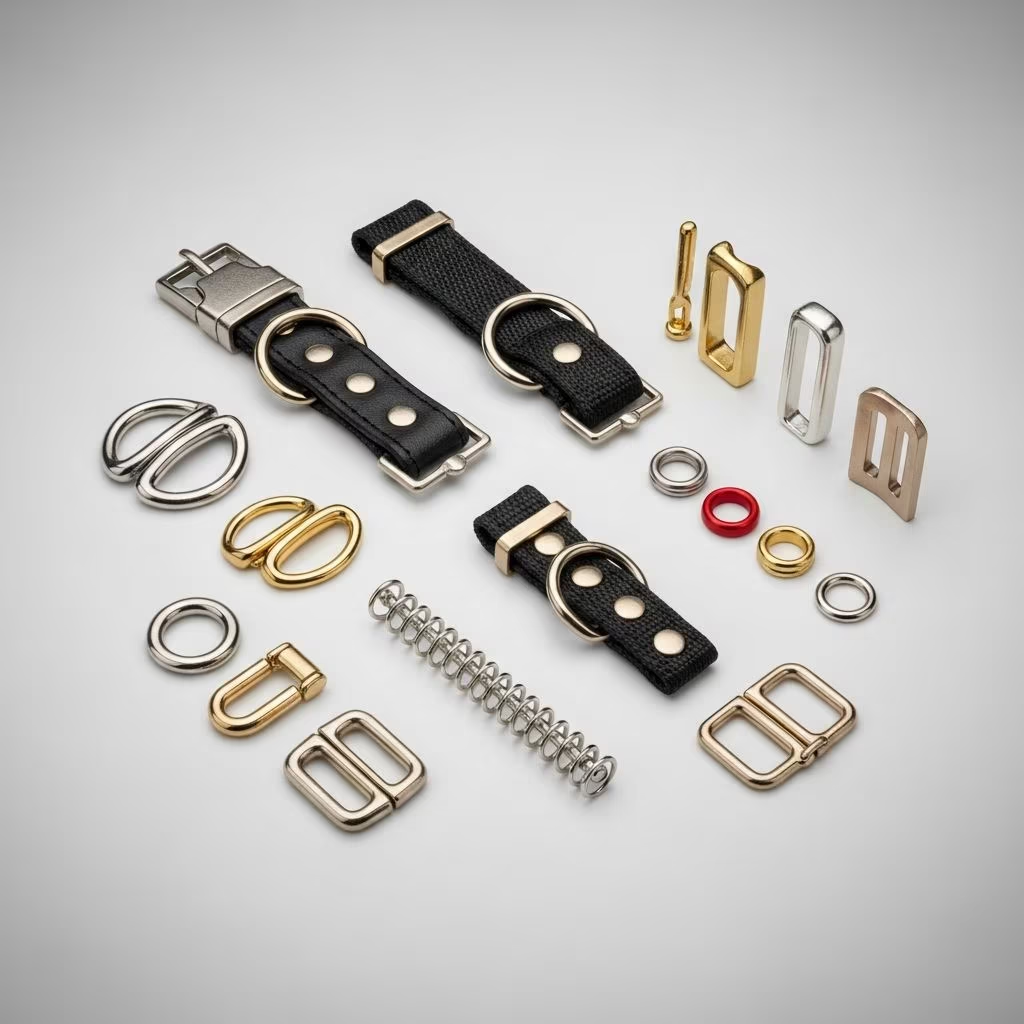
The foundation of any effective dog collar lies not in its aesthetic appeal but in the quality and durability of its hardware components. While many pet owners focus on collar strap materials like nylon, leather, or polyester, the metal and synthetic fasteners that comprise dog collar hardware determine whether a collar will withstand daily wear, accidental entanglements, or the powerful pulling force of an excited dog. Understanding the different types of hardware available, their material compositions, and their appropriate applications enables pet owners to make informed decisions that prioritize both safety and longevity.
Defining Dog Collar Hardware and Its Critical Role
Dog collar hardware encompasses all the metal or reinforced synthetic components that serve structural and functional purposes within a collar’s design. These elements include attachment rings, fastening mechanisms, adjustment sliders, and rivets that hold the collar system together. The hardware components are the working parts of the collar—they bear the stress of a dog’s movements, absorb the force of pulling, and must reliably secure leashes and identification tags throughout the collar’s lifetime.
The distinction between collar material and hardware is important for understanding durability ratings and safety specifications. A leather collar with substandard hardware will fail when stressed, just as a heavy-duty synthetic collar with inadequate fasteners will compromise your dog’s safety. Hardware quality directly influences a collar’s break strength—the maximum force it can withstand before failure—making material selection a critical safety consideration rather than merely a cosmetic choice.
Primary Hardware Types and Their Functional Purposes
Dog collar hardware comes in several established designs, each serving specific attachment, adjustment, or safety functions:
D-Rings and Attachment Components
D-rings represent the most prevalent attachment hardware in modern dog collars. Named for their distinctive shape, these rings feature a flat back and a curved front, allowing them to lay flush against the collar while remaining firmly attached via welding or riveting. D-rings serve as the primary connection point for leashes, extending leads, and identification tags. Their design inherently creates enhanced security because dogs that pull forward exert force against two layers of the collar material rather than a single anchor point, distributing stress more effectively.
O-rings, circular metal rings sometimes integrated into collar designs, function similarly to D-rings but offer a distinct safety advantage. O-rings are specifically engineered to rotate or turn inside out when collar equipment becomes caught on external objects like fences or bushes, potentially releasing the dog from a dangerous entanglement situation. This feature makes O-rings particularly valuable for dogs with access to outdoor environments with potential snag hazards.
Fastening Mechanisms and Buckles
Buckles and fastening systems determine how easily a collar can be secured on and removed from a dog. The primary categories include:
- Side-release buckles offer quick on-off functionality through a simple two-component system where one piece slides into the other and springs back into place. These are extremely user-friendly, making collar adjustment and removal straightforward for daily activities.
- Box locks, traditional metal or heavy-duty plastic fasteners that slide through loops and secure via prongs, provide a more permanent fastening solution. While secure, box locks require more time to adjust and reposition when needed.
- Metal buckles, typically constructed from stainless steel or brass, represent some of the most durable fastening options available for dog collars. These components excel in harsh environmental conditions and withstand the wear patterns of working dogs exposed to outdoor elements regularly.
- Quick-release buckles, such as the ClicLock design manufactured by industry leaders, incorporate safety mechanisms that prevent unintended release during intense activity or pulling. These premium options integrate protective sleeves and automatic locking features that ensure collars remain secure even under extreme stress.
Adjustment Hardware
Sliders and adjustment mechanisms allow collar sizing modifications without requiring collar removal. Quick-adjust sliders, commonly found on martingale or limited-slip collar designs, enable dynamic tightening while the collar remains on the dog. These components must balance functionality with durability, as sharp edges can wear collar material over time.
Material Composition and Corrosion Resistance Properties
The metal or synthetic material chosen for hardware construction directly impacts durability, maintenance requirements, and environmental suitability:
Stainless Steel Components
Stainless steel represents the premium choice for dog collar hardware, offering exceptional durability and complete rustproof properties. This material performs exceptionally well in humid climates, marine environments, and high-moisture conditions. Stainless steel hardware typically carries a higher price point than alternatives, but the extended lifespan and elimination of rust-related deterioration justify the investment for outdoor-focused dogs or those in regions with significant precipitation and humidity. The slight additional weight compared to lighter materials is negligible for most applications and actually contributes to perceived quality and durability.
Brass Hardware
Brass emerges as a naturally corrosion-resistant material ideal for wet environments and dogs with frequent water exposure. Unlike ferrous metals that require protective coatings, brass does not contain iron and therefore cannot rust in traditional fashion. This inherent corrosion resistance makes brass particularly suitable for dogs that swim regularly, live in areas with salt water exposure, or participate in water-based activities. Brass offers a middle ground in cost between budget-tier zinc alloy components and premium stainless steel, making it accessible for pet owners seeking reliable performance without premium pricing.
Zinc Alloy Components
Zinc alloy hardware represents the budget-conscious option but comes with significant durability compromises. While cost-effective for initial purchase, zinc alloy components degrade under ultraviolet exposure and moisture over extended periods. These components are suitable only for small dogs that remain primarily indoors with minimal outdoor exposure. For any dog experiencing regular outdoor activity, sun exposure, or moisture contact, zinc alloy hardware will require replacement within months, ultimately resulting in higher long-term costs than investing in superior materials initially.
Reinforced Polymer and Composite Materials
Modern nylon-reinforced polymers and composite materials provide lightweight alternatives to all-metal hardware. Nylon-reinforced components suit small to medium-sized dogs and offer the advantage of being quiet during movement, avoiding metal-on-metal noise that can startle sensitive animals. Steel-core composite variations enhance strength for larger breeds by incorporating internal metal reinforcement while maintaining overall lightness. However, these materials exhibit reduced break strength compared to metal alternatives and can become brittle in cold weather conditions, making them less suitable for dogs in northern climates or those with strong pulling behaviors.
Hardware Performance Standards and Break Strength Ratings
Understanding break strength—the maximum force a collar can withstand before failing—enables appropriate hardware selection based on dog size and temperament:
| Hardware Configuration | Typical Material | Break Strength Rating | Ideal Dog Types |
|---|---|---|---|
| Basic configuration with zinc alloy D-ring and plastic buckle | Zinc alloy, plastic | Approximately 150 pounds | Small indoor dogs without pulling behavior |
| Standard collar with brass D-ring and box lock | Brass, metal | Approximately 300 pounds | Medium-sized dogs in typical household situations |
| Martingale collar with slide adjustment | Stainless steel, reinforced polymer | Approximately 400 pounds | Sighthound breeds, escape-prone dogs |
| Heavy-duty configuration with marine stainless and steel-core buckle | Marine stainless steel, steel-core composite | 600 pounds or greater | Large breed working dogs, outdoor specialists |
When selecting hardware for medium to large breed dogs, minimum break strength specifications of 500 pounds ensure adequate safety margins. Welded or riveted attachment methods significantly strengthen hardware connections compared to other fastening techniques. Pet owners should verify break strength ratings through manufacturer specifications when available rather than relying on assumptions based on collar appearance.
Specialized Hardware for Different Collar Types and Training Applications
Different collar designs require specific hardware to function properly and safely:
Training collars and choke chains incorporate specialized hardware like toggles—components that allow owners to fit training collars on dogs without sliding the entire collar over the animal’s head. Toggles significantly improve ease of use during training sessions and reduce daily handling stress. Chrome-plated steel choke chains with short links offer smooth action and quick release properties essential for effective training.
Snap hooks and trigger snaps represent specialized attachment hardware that enables quick leash connection and disconnection. Trigger snap hooks incorporate a lever mechanism allowing immediate line release, making them particularly valuable for hunting dogs and those participating in various sports and training disciplines. French scissor snaps, designed specifically in Germany by specialty manufacturers, provide similar quick-release functionality with a different mechanical design suitable for diverse collar applications.
Frog clips function as directional connectors incorporating automatic clamping action that engages securely when touching an anchor point such as a D-ring. These specialized clips enhance leash attachment reliability without requiring manual securing mechanisms.
Martingale chains and half-check hardware serve safety functions in limited-slip collar designs by preventing dogs from slipping out of collars while maintaining humane limitations on constriction. V-rings, shaped like the letter V, offer alternative attachment points similar to D-rings and can secure various items to collar systems.
Cost Considerations and Market Segmentation
Dog collar hardware pricing reflects material quality, manufacturing precision, and durability expectations:
- Budget tier ($5–$15 range): Zinc alloy hardware combined with thin plastic buckles represents the lowest cost option. These products suit only small, calm indoor dogs without significant activity levels or outdoor exposure.
- Mid-range pricing ($15–$30): Brass or basic stainless steel D-rings paired with nylon-reinforced buckles offer appropriate quality for average household use. Most pet owners find this tier balances cost with adequate durability for typical daily activities.
- Premium segment ($30 and above): Marine-grade stainless steel components, steel-core buckles, and independently tested break strength specifications represent premium offerings. Outdoor enthusiasts, working dog handlers, and owners of strong large breeds justify premium pricing through extended product lifespan and verified safety performance under demanding conditions.
Maintenance and Longevity Considerations
Hardware maintenance extends collar lifespan and ensures continued safety performance. Abrasive actions such as scratching, rubbing against other hardware components, and contact with identification tags cause wear patterns that degrade even quality hardware over time. Regular inspection for rust development, bent components, or loose rivets enables early detection of hardware failure before catastrophic collapse. Salt water exposure requires more frequent rinsing and drying compared to freshwater or dry conditions. Stainless steel hardware generally requires minimal maintenance beyond occasional inspection, while brass components benefit from occasional gentle cleaning to maintain appearance and functionality.
Selecting Hardware Based on Dog Characteristics and Environment
Optimal hardware selection depends on specific dog characteristics and living conditions:
- Small, calm indoor dogs can safely use mid-range hardware with zinc alloy or basic brass components
- Medium-sized active dogs require at minimum brass D-rings and reinforced polymer buckles with 300+ pound break strength
- Large breed dogs and those prone to pulling need 500+ pound break strength with stainless steel or marine-grade components
- Dogs with frequent water exposure benefit from brass or stainless steel materials that resist corrosion
- Dogs in high-activity or working roles require independently tested hardware and professional-grade components
- Dogs in humid or salt-water environments necessitate stainless steel or aluminum options that cannot rust
Frequently Asked Questions About Dog Collar Hardware
What represents the strongest available dog collar hardware option?
Marine-grade stainless steel D-rings combined with steel-core side-release buckles typically provide the highest break strength ratings and maximum corrosion resistance, making them the strongest overall choice for demanding applications.
How can I verify that dog collar hardware is appropriate for my large breed dog?
Look for minimum break strength specifications of 500 pounds, hardware secured through welding or riveting rather than other attachment methods, and materials composed of solid brass or stainless steel. Avoid plastic buckles unless they specifically feature internal steel reinforcement for strength enhancement.
What hardware material performs best in wet environments?
Brass and stainless steel materials both excel in wet environments. Brass does not contain iron and therefore cannot rust, while stainless steel requires no protective coating for rustproof performance. Zinc alloy components degrade in moisture and should not be used in wet conditions.
Which collar hardware design provides the safest attachment for leashes?
D-rings with welded or riveted attachment create inherent safety through their design, forcing dogs that pull forward to exert force against two collar layers rather than a single anchor point. This distribution of stress across multiple attachment surfaces significantly enhances safety compared to single-point attachment systems.
References
- How to Choose Dog Collar Hardware: A Complete Buying Guide — Alibaba SmartBuy. 2024. https://smartbuy.alibaba.com/buyingguides/dog-collar-hardware
- What Snap Hook You Need for Dog Leash — Henssgenhardware.com. 2024. https://henssgenhardware.com/what-snap-hook-you-need-for-dog-leash/
- Dog Collars: The Ultimate Dog Trainer’s Guide — Ray Allen Manufacturing. 2024. https://www.rayallen.com/the-ultimate-guide-to-dog-collars
- How to Choose the Right Hardware for your Dog – Part One — Sloppy Chops Co. 2024. https://sloppychopsco.com/blogs/news/how-to-choose-the-right-hardware-for-your-dogs-gear-part-one
- A Bit About Hardware & Maintenance — Dog Dog Goose. 2024. https://dogdoggoose.ca/blogs/news/a-bit-about-hardware-maintenance



