

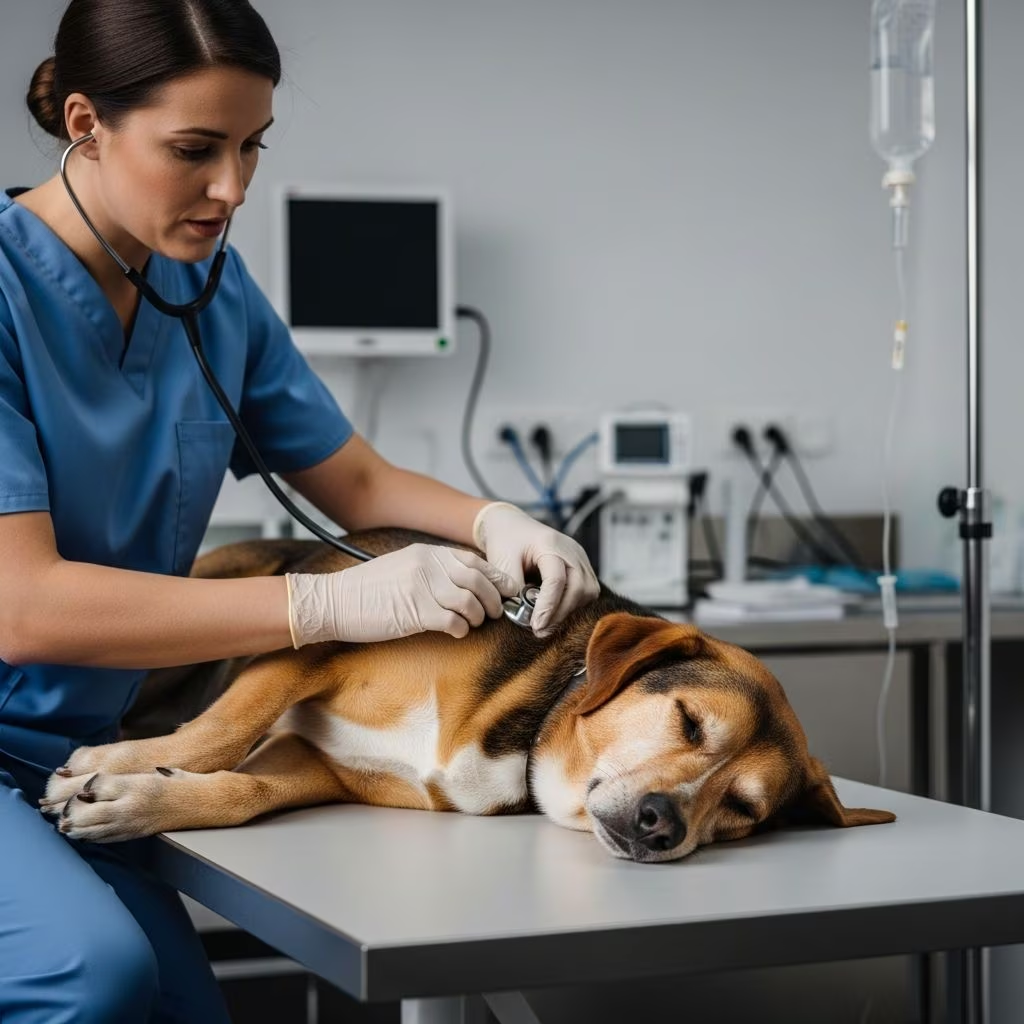
Sudden collapse in dogs signals a potential medical crisis requiring prompt attention. This alarming event, often termed syncope or fainting, stems from inadequate oxygen delivery to the brain due to circulatory, cardiac, or neurological disruptions. Owners must recognize signs like sudden weakness, loss of postural control, or brief unconsciousness to act swiftly.
Recognizing the Signs of Collapse
Dogs collapsing may appear limp, fall without warning, or show brief unresponsiveness before recovering. Unlike seizures, which involve paddling limbs, vocalizing, or post-event confusion, true collapse lacks these prolonged neurological signs. Subtle warnings include lethargy, pale gums, rapid breathing, or exercise intolerance. Cardiovascular collapse often occurs during activity, while neurological episodes might follow with disorientation.
- Sudden falling or limping: Indicates loss of strength or consciousness.
- Brief recovery: Most dogs regain footing within seconds to minutes.
- No paddling or salivation: Distinguishes from seizures.
- Associated symptoms: Weak pulse, cold extremities, or abdominal swelling.
Primary Cardiovascular Triggers
Heart-related issues dominate collapse cases, accounting for many emergencies. Arrhythmias disrupt normal rhythm, causing bradycardia (slow heart rate) or tachycardia (fast rate), reducing cardiac output. Conditions like dilated cardiomyopathy (DCM) weaken heart muscle, leading to low-output failure, while hypertrophic cardiomyopathy (HCM) thickens walls, impeding flow.
Pericardial effusion, fluid buildup around the heart, creates tamponade that compresses chambers, common in 50% of cases with ascites. Pulmonary hypertension enlarges right heart chambers, confirmed by echocardiography showing tricuspid regurgitation velocity over 3 m/s. Congenital defects or valve diseases like mitral regurgitation exacerbate risks.
| Condition | Symptoms | Diagnostic Test |
|---|---|---|
| Arrhythmias | Sudden fainting during exertion | ECG/Holter monitor |
| Pericardial Effusion | Weakness, abdominal distension | Echocardiography |
| Pulmonary Hypertension | Collapse on excitement | High-level echo |
| DCM/HCM | Lethargy, cough | Ultrasound |
Neurological and Neuromuscular Factors
Brain or nerve disorders mimic cardiac syncope but feature distinct traits. Seizures cause collapse with convulsions, urinary incontinence, or confusion lasting minutes. Vestibular disease leads to imbalance and circling, often from inner ear infections causing discharge or head tilt. Myasthenia gravis weakens muscles at neuromuscular junctions, resulting in exercise-induced collapse without unconsciousness.
Cervical myelopathies or spinal issues provoke weakness when standing, differing from syncopal limpness. These require CSF analysis or MRI for confirmation, as history details like paddling help differentiate.
Shock States and Systemic Illnesses
Hypotensive collapse arises from shock types: cardiogenic (heart failure), hypovolemic (dehydration/bleeding), or distributive (sepsis/anaphylaxis). Addison’s disease disrupts electrolytes, diabetes causes insulin overdose hypoglycemia, and poisons or insect stings trigger anaphylaxis. Heatstroke in brachycephalic breeds or trauma like ruptured tumors leads to rapid blood loss. Respiratory failures from lung disease or anemia compound risks.
Initial triage measures blood pressure, oxygen saturation, ECG, and labs to classify shock. FAST scans detect effusions quickly.
Immediate Response Protocols
Stay composed: Secure the dog in a safe spot, use a blanket for transport if needed, and check vitals like gum color and pulse. Avoid forcing water or inducing vomiting. Rush to an emergency vet for stabilization with IV fluids at shock doses. Monitor for recurrence during travel.
- Ensure airway patency and gentle positioning.
- Call ahead to alert the clinic of incoming collapse case.
- Note episode details: duration, triggers, recovery time.
Veterinary Diagnostic Pathways
Vets start with physical exams, vital signs, and STAT bloodwork (CBC, chemistry, electrolytes). Imaging includes X-rays for lung/heart enlargement, ultrasound for effusions, and advanced CT/MRI for neurology. ECG captures arrhythmias; Holter monitors track intermittent issues. Echocardiography assesses structural defects and pressures. Urinalysis and FAST scans complete initial workup.
For sick sinus syndrome (SSS), atropine response tests guide therapy like pacemakers. Pulmonary hypertension demands specialized echo.
Treatment Strategies by Cause
Therapy targets root issues. Cardiac cases use pimobendan, ACE-inhibitors, diuretics for failure. Pericardiocentesis drains effusions emergently, positioning dogs left laterally. Arrhythmias may need antiarrhythmics or pacemakers for SSS. Seizures get anticonvulsants; infections antibiotics. Fluids correct hypovolemia; steroids manage Addison’s.
Benign neurocardiogenic episodes focus on trigger avoidance. Surgery repairs congenital defects. Prognosis varies: early intervention improves outcomes in reversible shocks.
Breed Predispositions and Risk Factors
Certain breeds face higher risks. Boxers, Dobermans suffer DCM; Golden Retrievers pericardial tumors. Brachycephalics like Bulldogs risk heatstroke. Large breeds develop DCM; small ones mitral disease. Age matters: seniors prone to cancers/heart failure; puppies congenital issues. Obesity, poor diet, or untreated infections elevate dangers.
- High-risk breeds: Boxers (arrhythmias), Great Danes (DCM).
- Lifestyle factors: Overexertion, hot environments.
Preventive Measures for Owners
Annual cardiac screenings via echo/ECG detect issues early, especially in predisposed breeds. Maintain ideal weight, balanced diet, and regular exercise without excess. Vaccinate against infections; monitor for ticks preventing Lyme disease. Avoid toxins, control diabetes, and watch for heat. Prompt grooming checks ears for infections. Home monitoring of gums and energy prevents escalation.
When to Worry: Red Flags
Collapse warrants immediate care, even with quick recovery—delays risk fatality. Worry if recurrent, with pale gums, breathing distress, or bleeding. Single episodes in healthy pups might be benign, but adults demand checks.
Frequently Asked Questions (FAQs)
Is dog collapse always serious?
Yes, it signals underlying pathology needing vet evaluation, though some resolve without treatment.
How do I tell collapse from a seizure?
Collapse lacks convulsions, incontinence, or post-ictal daze; recovery is swift.
Can medications cause collapse?
Insulin overdose or reactions to drugs/insects provoke it.
What’s the survival rate post-collapse?
Varies by cause; early treatment boosts chances significantly.
Should I give CPR at home?
Only if no pulse/breathing; compress chest 100-120/min, but prioritize professional help.
References
- Dog collapse or fainting, what are the signs, causes and… — Vets Now. 2023. https://www.vets-now.com/pet-care-advice/my-dog-collapsed/
- Collapsing dogs: managing common causes of… — dvm360. 2023. https://www.dvm360.com/view/collapsing-dogs-managing-common-causes-collapse-or-syncope-proceedings
- What to Do if Your Dog Collapses or Passes Out — Northeast Vet. 2024-06-15. https://www.northeast-vet.com/site/pet-care-blog-plains-vet/2024/06/15/dog-collapses-passes-out
- What to Do if Your Dog Collapses or Passes Out — Loving Hands. 2024-06-15. https://www.lovinghands.com/site/blog/2024/06/15/dog-collapses-passes-out
- Collapse in Dogs and Cats: Cardiac or Neurologic? — Animal Cardiology NV. 2023. https://animalcardiologynv.com/what-to-know-about-collapse-in-cats-and-dogs/
- Sudden Collapse in Pets: Urgent Causes & When to Seek… — Vetcheck for Pets Bloomington. 2023. https://www.vetcheckforpetsbloomington.com/blog/sudden-collapse-in-pets-urgent-causes-when-to-seek-emergency-care-vetcheck
- Syncope (Fainting) in Dogs — VCA Animal Hospitals. 2023. https://vcahospitals.com/know-your-pet/syncope-fainting-in-dogs



