Dog Cobbing Explained
Discover why dogs gently nibble with front teeth, from affection to stress relief, and learn management strategies.
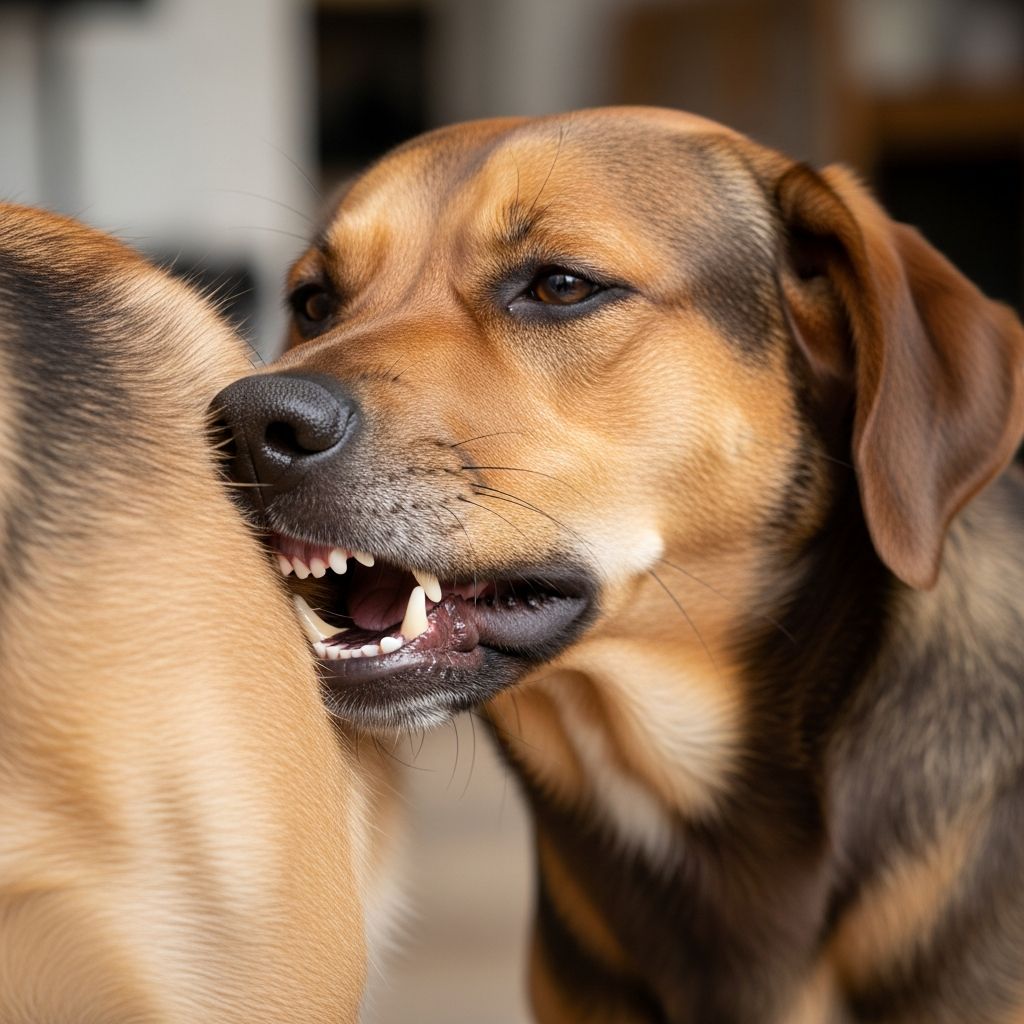
Dog cobbing refers to the gentle nibbling action where dogs use their front incisors to softly chew or mouth objects, people, or themselves, resembling the way one might eat corn off the cob. This behavior is widespread among canines and typically harmless, often stemming from natural instincts like bonding or self-comfort.
Defining Cobbing in Canine Terms
At its core, cobbing involves light, repetitive motions with the front teeth, distinct from aggressive biting or full chewing. Dogs may direct this at human skin, fellow pets, blankets, or their own flanks. Unlike hard gnawing, it rarely causes pain and feels more like a massage or tickle to recipients.
Experts note that this action activates the dog’s mouth sensitively, providing tactile feedback similar to grooming rituals in wolf packs. Puppies often start it during socialization, learning bite control through soft mouthing.
Primary Motivations Behind the Nibble
Dogs exhibit cobbing for diverse reasons tied to emotion, physiology, or environment. Understanding context—such as timing, target, and accompanying body language—helps discern intent.
Affection and Pack Integration
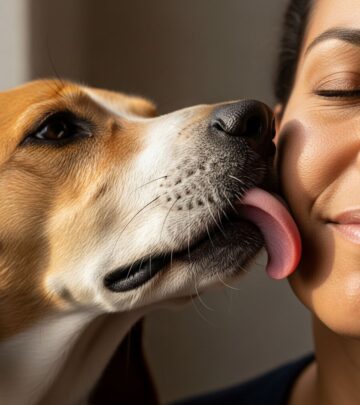
One prevalent driver is social bonding. Dogs view owners as pack members, using cobbing to reciprocate grooming or express closeness. This mirrors how mothers lick pups or adults mutually groom, fostering trust.
- Gentle arm or hand nibbling upon reunions signals joy and security.
- It’s common toward other household pets, strengthening interspecies friendships.
- Relaxed posture, wagging tail, and soft eyes accompany affectionate cobs.
Playful Invitations and Energy Release
During interactions, cobbing invites fun. Puppies nibble littermates to initiate chase or wrestle, carrying this into adulthood with humans or toys.
Observe grunts, bouncy movements, or play bows—these confirm recreational purpose. Overstimulated dogs might cob post-walks or amid excitement, needing a brief calm-down.
Self-Soothing Amid Emotional Strain
Cobbing serves as a stress reliever, akin to human fidgeting. Anxious dogs may nibble blankets or legs during fireworks, separation, or novelty.
It evokes nursing memories, releasing endorphins for comfort. Chronic cases link to past trauma or unmet needs, warranting behavioral review.
Physical Factors Influencing Cobbing
Beyond emotions, bodily states prompt this habit.
Teething Discomfort in Young Dogs
Puppies aged 3-6 months cob to ease emerging adult teeth. The pressure alleviates gum soreness, transitioning to habitual soothing post-teething.
Skin and Oral Health Issues
Itchy allergies, fleas, or dental pain spur self-directed cobbing, targeting hard-to-reach spots. Excessive focus on paws or tail base signals medical checks.
Salt on human skin occasionally attracts taste-driven nibbles, though secondary to behavioral cues.
Spotting When Cobbing Crosses into Concern
Occasional cobbing delights owners, but escalation demands attention. Key red flags include:
- Forceful pressure causing redness or breaks.
- Obsessive repetition leading to bald patches or wounds.
- Sudden onset in adults without clear triggers.
- Pairing with lethargy, appetite loss, or aggression.
Track patterns: Does it surge at night, alone time, or vet visits? Logs aid vets in diagnosing allergies, anxiety disorders, or compulsive tendencies.
Practical Management Techniques
Address root causes proactively for balanced behavior.
Enhance Daily Enrichment
Boredom fuels excess cobbing—counter with routines:
- Daily 30-minute walks plus puzzle toys for mental workouts.
- Rotate chew items mimicking textures dogs target.
- Training sessions teaching “leave it” or alternative redirects.
Stress Mitigation Strategies
For anxiety-driven cases:
- Calming aids like pheromone diffusers or thunder shirts.
- Desensitization to triggers via gradual exposure.
- Professional trainers for separation protocols.
Medical and Redirect Interventions
Begin with vet exams ruling out health issues. Treatments may involve flea preventives, hypoallergenic diets, or dentals.
Redirect gently: Offer frozen carrots for teethers or frozen kongs for adults. Reward calm alternatives to reinforce desired actions.
Breed and Age Variations
Cobbing prevalence varies:
| Factor | Traits | Examples |
|---|---|---|
| Breed | Herders/Retrievers: High energy, frequent play cobbing | Border Collies, Labs |
| Companion breeds: Affection-focused | Cavaliers, Pugs | |
| Age | Puppies: Teething dominant | 3-7 months |
| Adults: Habitual or stress | 1+ years | |
| Seniors: Pain-related increase | 8+ years |
Herding breeds channel instincts through nibbling; puppies outgrow intensity with maturity.
Building Positive Associations
Turn cobbing into trainable moments. Pair with commands like “gentle” during petting, praising non-mouth contact. Consistency prevents escalation while honoring natural urges.
Multi-pet homes benefit from supervised intros, channeling grooming into toys if tensions arise.
Frequently Asked Questions
Is dog cobbing ever dangerous?
Rarely, unless forceful or infection-prone. Monitor skin; consult vets for persistence.
Why does my dog cob only me?
You represent safety—strongest bonds elicit grooming behaviors.
Can training stop cobbing completely?
Not always ideal; redirect excess while accepting mild affection displays.
Does cobbing indicate poor training?
No—it’s instinctual. Enrichment addresses overdoing it.
Should I punish cobbing?
Avoid; it heightens stress. Positive redirection works best.
Long-Term Wellness Integration
View cobbing as a communication window. Regular health checks, exercise, and bonding ensure it remains benign. Owners attuned to shifts nurture thriving canine companions.
Embrace this quirk as testament to your dog’s contentment, intervening thoughtfully when needed.
References
- Dog Cobbing | Causes, Behavior & Management — Fitwarm. 2023. https://www.fitwarm.com/blogs/news/dog-cobbing-understanding-causes-and-how-to-manage-it
- What Is Cobbing in Dogs? Understanding This Behavior & How to Stop It — Express Vets Marietta. 2023. https://www.expressvetsmarietta.com/blog/what-is-cobbing-in-dogs-understanding-this-behavior-how-to-stop-it
- Dog Cobbing — Basepaws. 2023. https://basepaws.com/blog/dog-cobbing
- Dog Cobbing: A Complete Guide to This Gentle Nibbling Habit — Sparkpaws. 2023. https://www.sparkpaws.com/blogs/community/dog-cobbing
- Why Your Dog Nibbles You & What It Means — Rover.com. 2023. https://www.rover.com/blog/why-dog-nibbles-me/
- Cobbing in Dogs — Whole Dog Journal. 2023. https://www.whole-dog-journal.com/behavior/cobbing-in-dogs/
- 5 Reasons Your Dog Nibbles on You: What It Means — HK Dog Training. 2023. https://www.hkdogtraining.net/why-does-my-dog-nibble-on-me-understanding-this-common-behavior/
Similar Articles




Read full bio of medha deb